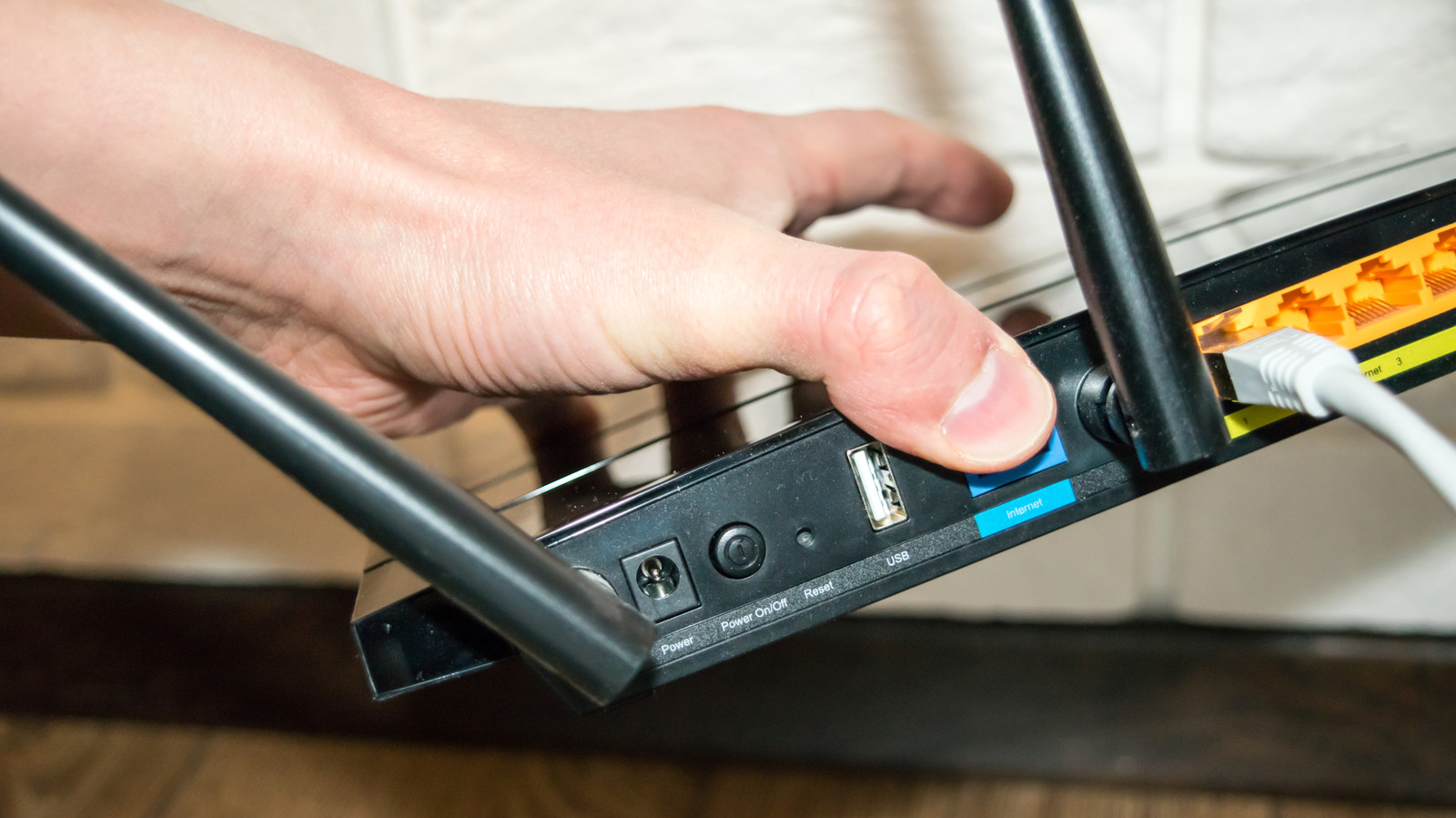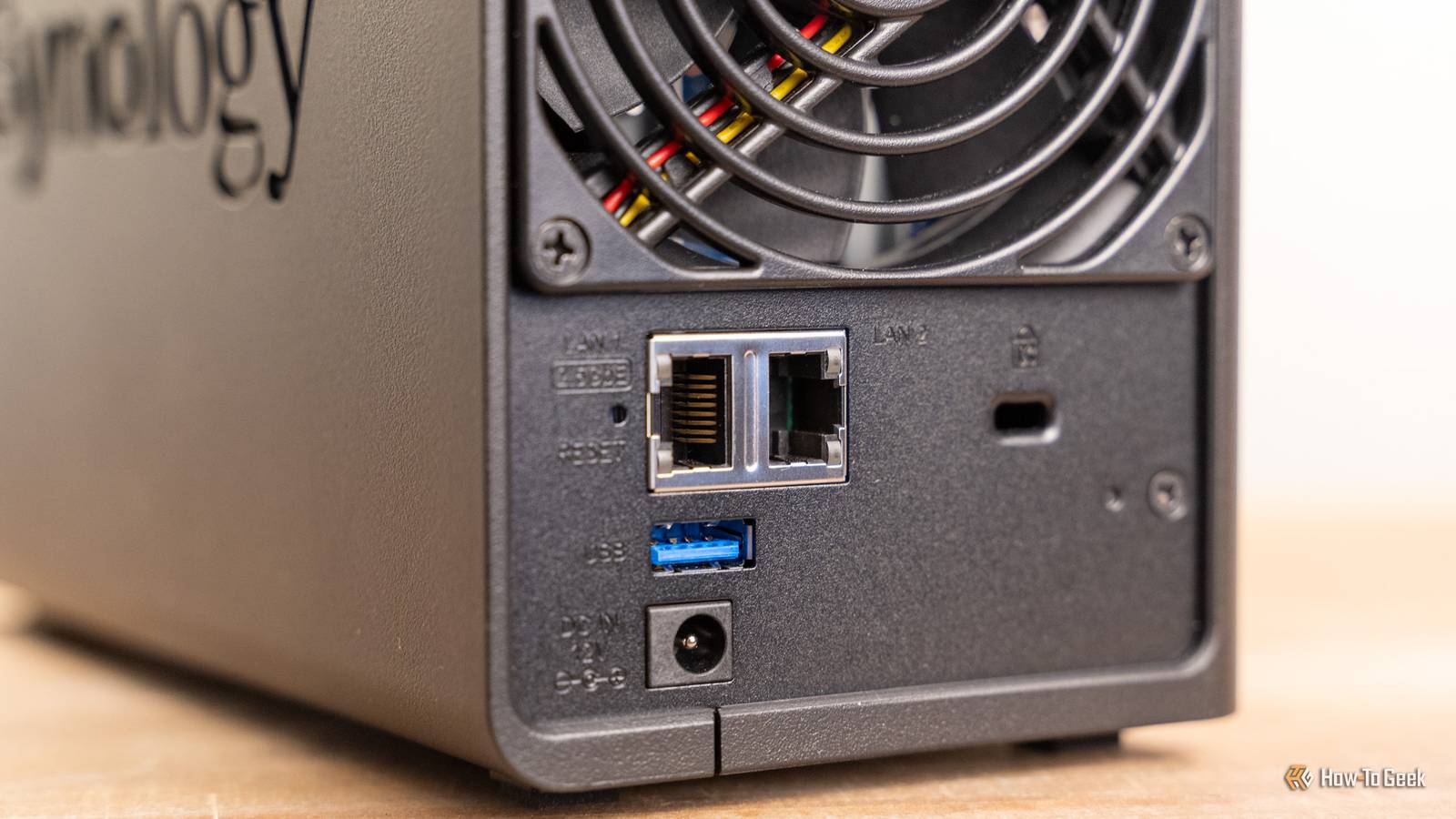
If you've ever used a mesh Wi-Fi system, you've probably noticed that the satellite nodes usually have a spare Ethernet port.It is tempting to use that port to attach a NAS.After all, it seems like a good way to get your NAS connected without running a cable across the floor or through a wall.
However, that port isn't really well-suited for use with a NAS.The wireless back haul may not be up to a NAS's demands Back haul may not have enough bandwidth available Wireless Wi-Fi nodes work using a second "back haul" connection.It is a special connection (usually Wi-Fi-based) that links the satellite node to your main router.
So, even though your NAS is physically plugged into a node with a cable, the data it sends and receives instantly gets transmitted over the Wi-Fi to the main router It has all the same limitations and problems as a regular Wi-Fi network, like interference from other devices or physical obstructions.Related Your old router is faster than mesh Wi-Fi if you wire it correctly You don't need a $300 mesh Wi-Fi system (the ultimate home network fix is already sitting in your closet) Posts 1 By Goran Damnjanovic If you're backing up or streaming 4K media or a huge photo archive, you're almost certainly going to notice a bottleneck caused by whatever connection limitations the back haul network has.In most scenarios, you're better off just directly connecting your NAS to the Wi-Fi directly if your NAS supports that.
At least then you have greater discretion over where you place it.Not all NAS units have Wi-Fi, and only some support Wi-Fi dongles.Wired is more stable Your wireless throughput is less stable than a wired connection Close Many consumer NAS units today have gigabit, 2.5 gigabit, or even 5 gigabit Ethernet ports.
On a network, you can expect even Cat6 to hit those speeds easily over residential distances, and it'll likely be very stable too.With a wireless back haul on a budget mesh system, the situation is almost certainly going to be worse.Even if you see decent speeds, which I'd consider anything about 50 megabytes per second, those numbers are going to fluctuate depending on all sorts of external factors.
In the times I've used a wireless back haul, I found that devices on the back haul often caused pretty significant performance hits, and it isn't anything weird either.Even someone streaming video on their phone can be enough to impact the performance of wireless back hauls.That doesn't even begin to address other issues that may arise if you live in a crowded Wi-Fi environment, like an apartment building.
Your NAS needs to be online almost 100% of the time Back haul drops and node reboots take the NAS offline A NAS needs to be online as much as possible.If it disconnects at an inopportune time, it can abort a massive backup mid-run, corrupt an open database, or leave your mapped network drives in a "broken" state until you manually reconnect.Unfortunately, mesh satellites are inherently a little volatile.
Even if you don't mind the speed variability, satellites are prone to reconnecting, can sometimes automatically optimize their channels, or reboot for a firmware update.Every time one of those events happens, the NAS you have connected to the device will be offline.Unfortunately, automatic updates often roll out overnight—the exact same time that people schedule their backups.
On more than one occasion, I had an automated backup fail when a mesh node was temporarily disrupted overnight.After that, I drilled some holes in the walls and ran an Ethernet cable directly to my router.Of course, your main router needs to reboot occasionally too, but that is still less common than an interruption caused by connectivity or renegotiation.
Similarly, wired switches are usually simple—many don't need updates and don't need to reboot.So long as the wire remains connected and undamaged, they'll run for years without interruption.If you have the option, try to ensure that your Wi-Fi system doesn't perform automated updates during your backup windows.
Keep your NAS near your router if possible If you're just trying to connect something like a printer, the Ethernet port on a mesh node is fine.However, your NAS should really be connected via an Ethernet cable directly to your router.The choice is to directly plug your NAS into your router's LAN port.
If that isn't an option, attach it to a simple wired switch connected to your router instead.It is also a good idea to keep both devices attached to the same UPS if you have one—it ensures that your devices will usually both be online at the same time, and neither device is likely to try to reach the other while it is offline.If the NAS sit directly next to your router, run an Ethernet cable or use a MoCA (which allows internet over coax cable) instead.
MoCA introduces some hiccups, but I've found it is more reliable across longer distances than most ISP-supplied mesh Wi-Fi systems are.And, finally, if the NAS cannot be wired to the router directly and your NAS has Wi-Fi functionality, just place it in the same room as the router.The Wi-Fi connection will be much more reliable than the back haul from a node.
Read More