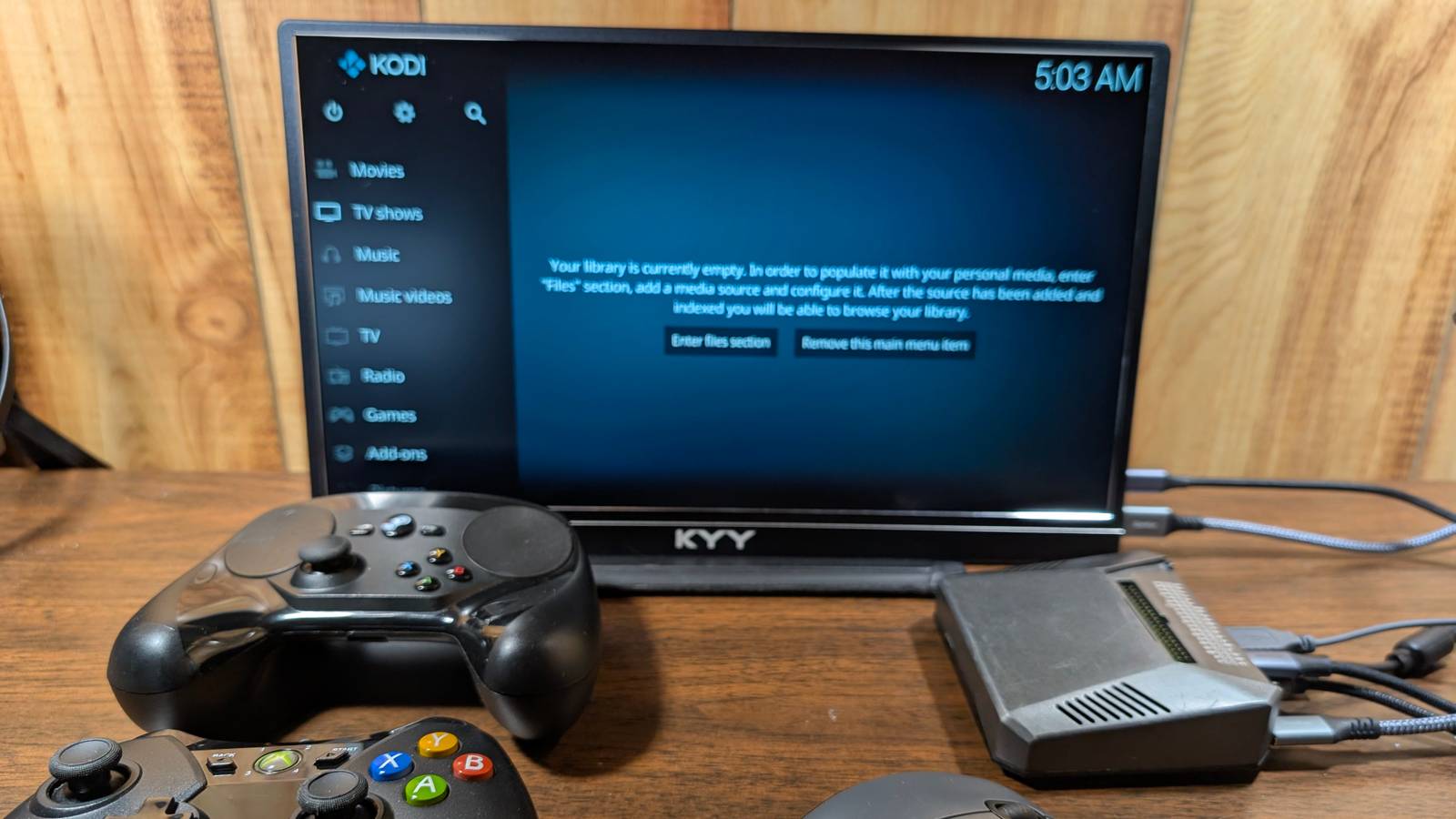
Most of us have outdated electronics and gadgets sitting around—an old TV, some nice old speakers, or a slightly bulky monitor.They often work just fine, but they just haven't aged well because either connectivity or software left them outdated long before they break.Add How-To Geek on Google Add as Preferred Source Follow on Google Discover The standard thing to do is just replace them with the latest smart, AI-powered variant.
Those "upgrades" often come with a lot of drawbacks, like bloat, lock-in, intrusive ads, or annoying account requirements.Fortunately, if you have a Raspberry Pi, you can make almost any old device you have smart without bloat or agreeing to someone else's terms and conditions.What does a Pi do for old gadgets? The Pi becomes the brain Close All modern smart devices have some kind of computer in them.
In a smart fridge, that computer is often extremely simple.More complex devices, like a smart TV, might be as powerful as a smartphone.A Raspberry Pi can take the place of those smart components, and you don't need to spend a ton of money either.
A Pi Zero 2 W is more than capable of powering a smart fridge or washer; a base model Pi 5 can serve as a brain for more complex devices.They provide networking, Bluetooth connectivity, and access to a huge range of programs suited for any application.Passive speakers and amplifiers don't really become obsolete, but the digital components that drive them often age poorly.
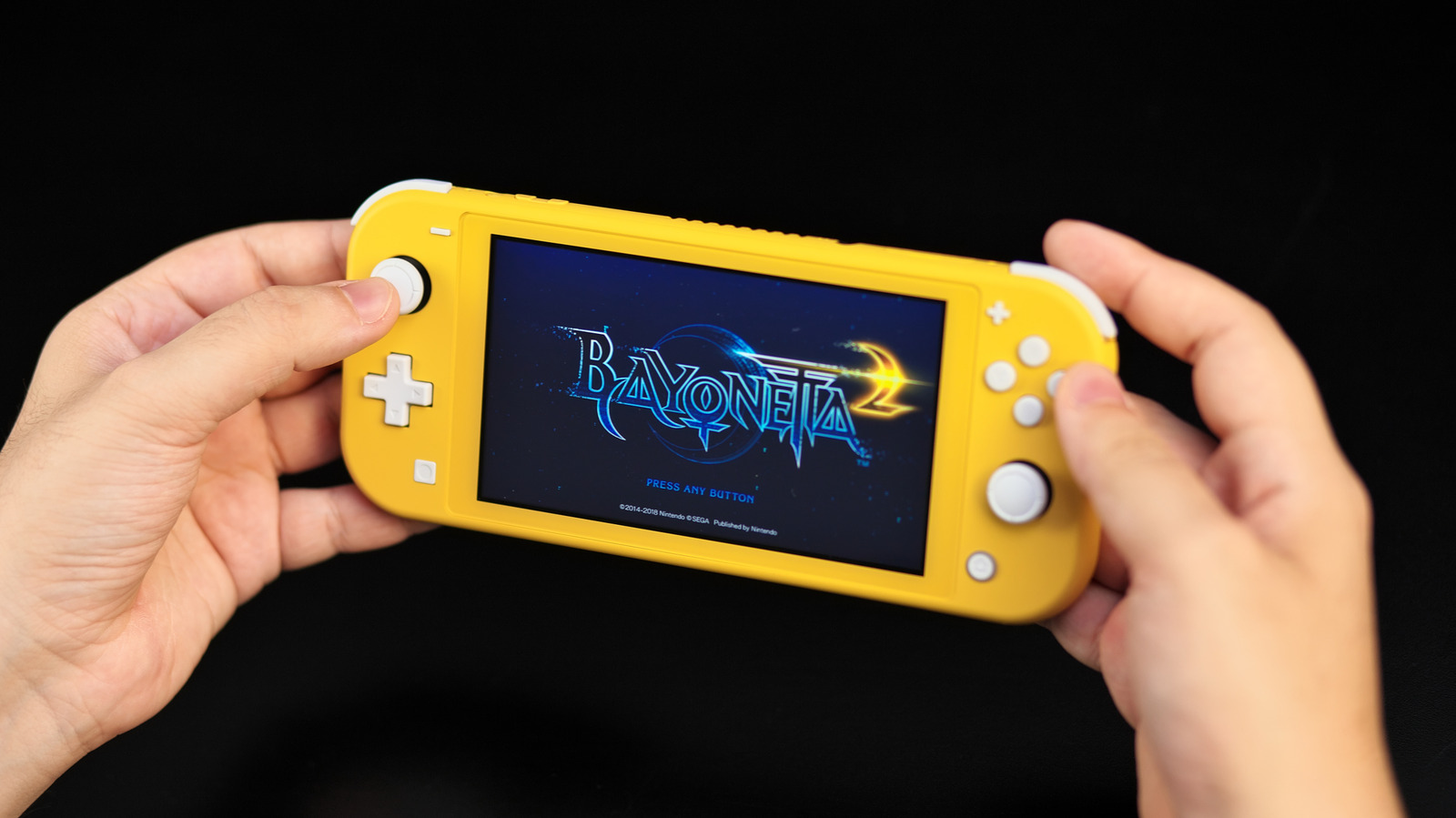
A Pi paired with a decent USB DAC often outperforms the built-in audio found in budget smart speakers.For gamers, CRTs and older TVs are still popular for their lack of latency (something only expensive OLEDs can beat) and their specific visual look.Even if OLEDs technically superior, CRTs do have one quality a fancy OLED will never be able to replicate: nostalgia.
When you're playing a game from the era, pure visual fidelity probably isn't what you're after anyway.You only get the features you want A new smart device gives you few choices When you buy a modern smart device, you usually don't have much choice in the software it runs.If you buy an AV receiver (AVR), you're stuck with the software provided by the manufacturer.
If you buy a TV, you're very lucky to have a choice between Roku and Google TV for televisions.That means your options for app choice and privacy settings are ultimately out of your control.With a Pi, all of that changes.
If you want a general-purpose media center operating system, you can install LibreELEC.You could install a dedicated retro gaming distro like Batocera.There are dozens, if not hundreds, of specialized Linux distros available designed for specific uses.
Related Batocera vs.RetroPie vs.Lakka: Which Retro Gaming OS Should You Use? We look at three of the most popular retro gaming OS options available and what makes them different.
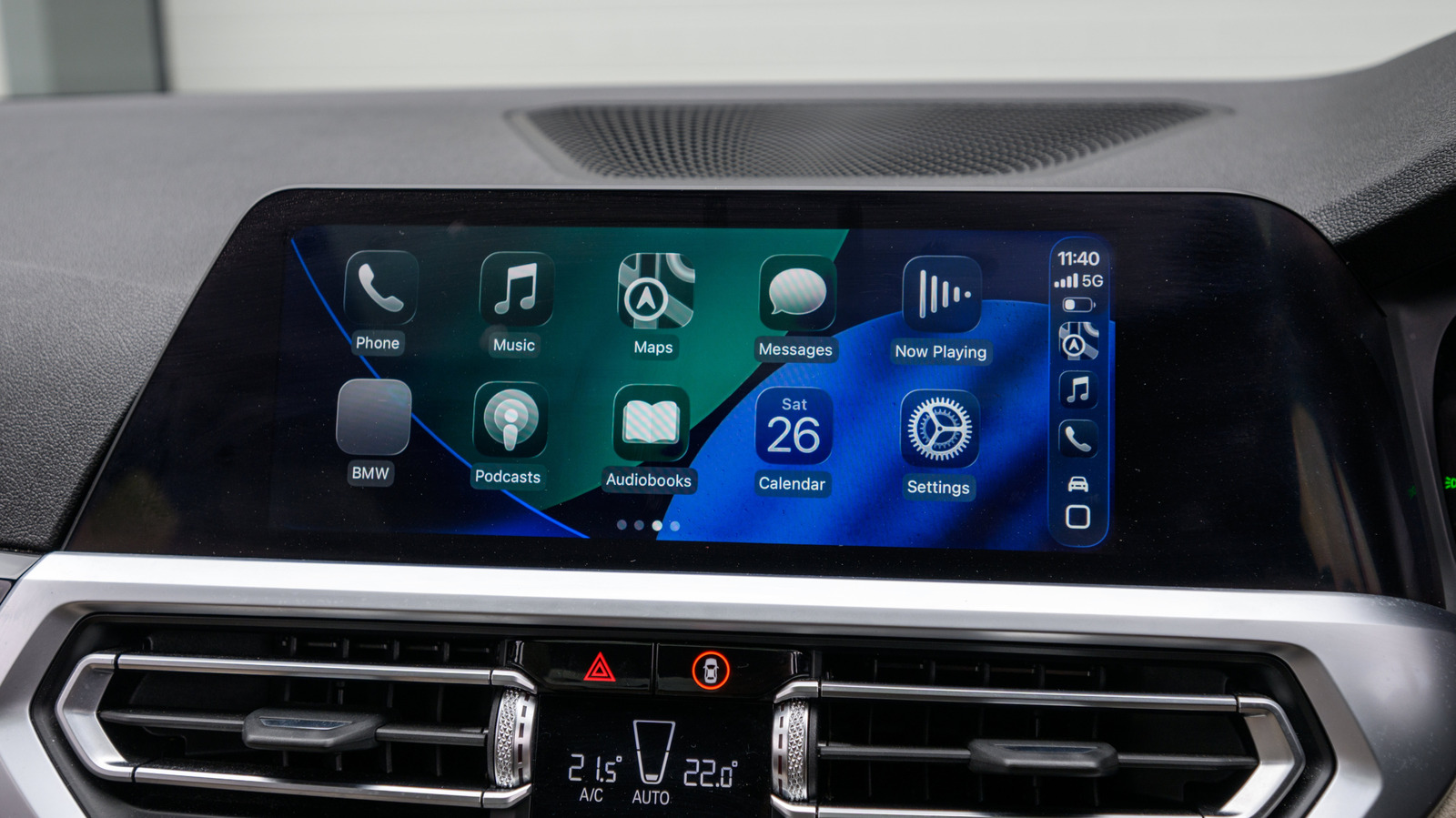
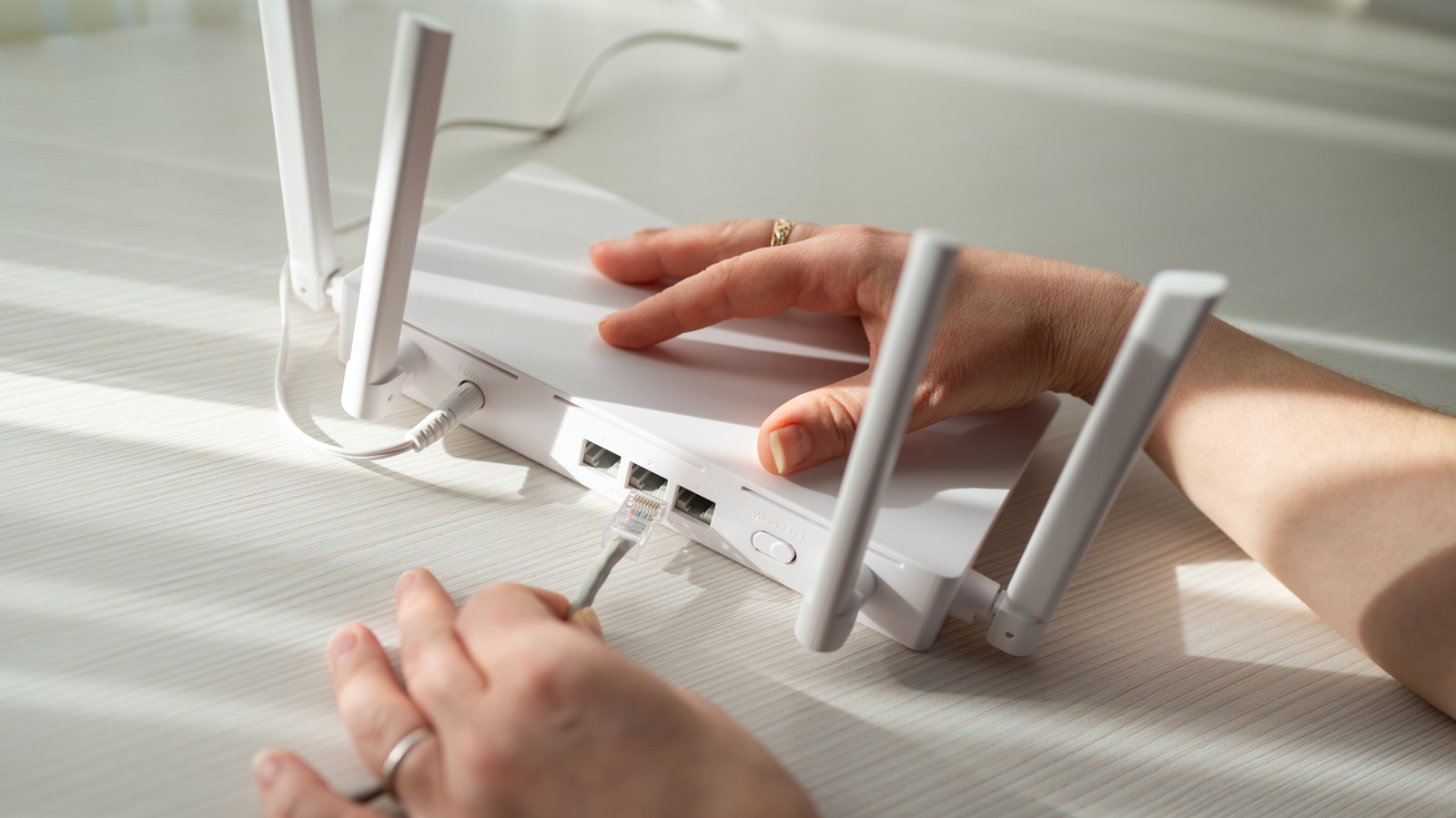
Posts 3 By Kris Wouk Beyond the operating system, there are apps and services designed to turn even generic Linux operating systems into everything from a router to a car's head unit.You can even mix and match if you want, like running a media server on a DIY car head unit so you don't need to store music on your phone.If you want a retro gaming system, you can install RetroPie on Raspberry Pi OS.
If an application you want doesn't exist, you can always vibe code one too.You regain your privacy No ads, tracking, or subscriptions baked in For all that they offer, modern smart TVs have some pretty significant drawbacks.They're designed to display home screen ads, inject ads into your content, display sponsored content, and collect your viewing data—Automatic Content Recognition (ACR) actively fingerprints what is on your screen.
It can even capture content from an HDMI connection.Most other smart devices have kind of telemetry, even if they're not as aggressive as a smart TV.With a Pi powering your smart setup, you don't really need to worry about that.
Generally speaking, free and open-source applications don't have ads of any kind.Linux-based operating systems tend to be very privacy conscious; what telemetry they do have is never as invasive as ACR.Plugging a Pi into a connected smart TV doesn't stop the TV's own tracking.
To actually avoid it, keep the TV off Wi-Fi entirely.The best upgrade might be gathering dust in your closet A huge number of my own projects over the last several years have relied on Raspberry Pis.I've revived old receivers to give them modern connectivity, created a smart speaker that writes its own music based on the weather, made a dumb dryer smart, and countless other things.
Without a Pi, half of these projects would have been significantly more expensive or difficult.Today, it is even easier.You can usually use Claude or ChatGPT to write software to do you want, even if it doesn't currently exist.
The days of being beholden to a manufacturer's software are coming to an end.
Read More