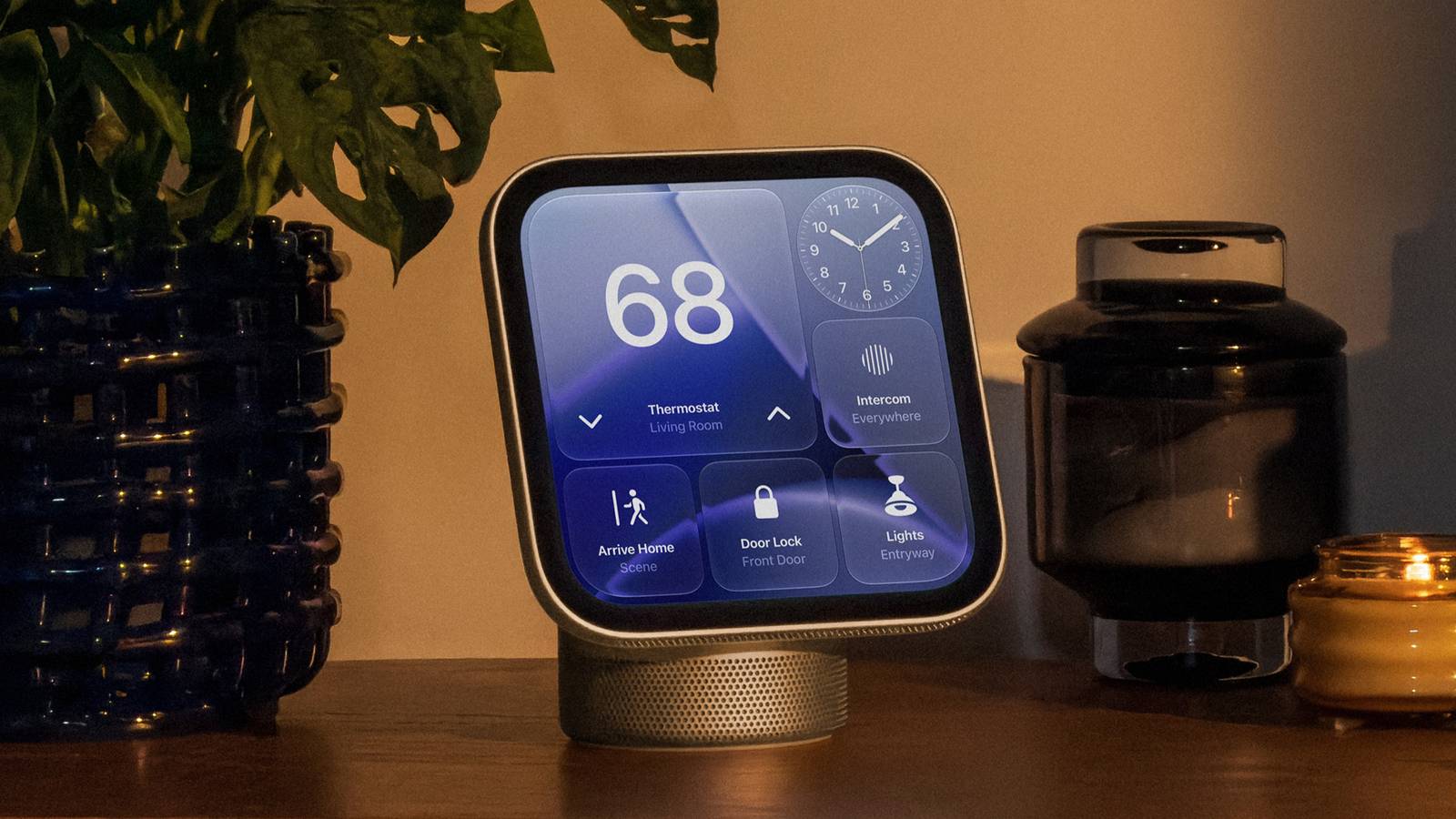
Amazon and Google have largely had the smart home world to themselves, at least for those who aren't interested in a solution like Home Assistant.They've not only built a load of hardware, but they also created whole ecosystems with tens of thousands of supported devices between them.They're not without their flaws, but they generally offer a turnkey smart home experience.
Apple's strategy, meanwhile, has been marred by an inconsistent lineup and a convoluted Apple Home device approval process.But now the Apple HomeView, the Home Collection, and the company's embrace of Thread and Matter show that Apple is getting serious about the smart home.While there are still problems, Amazon and Google have real cause to be worried.
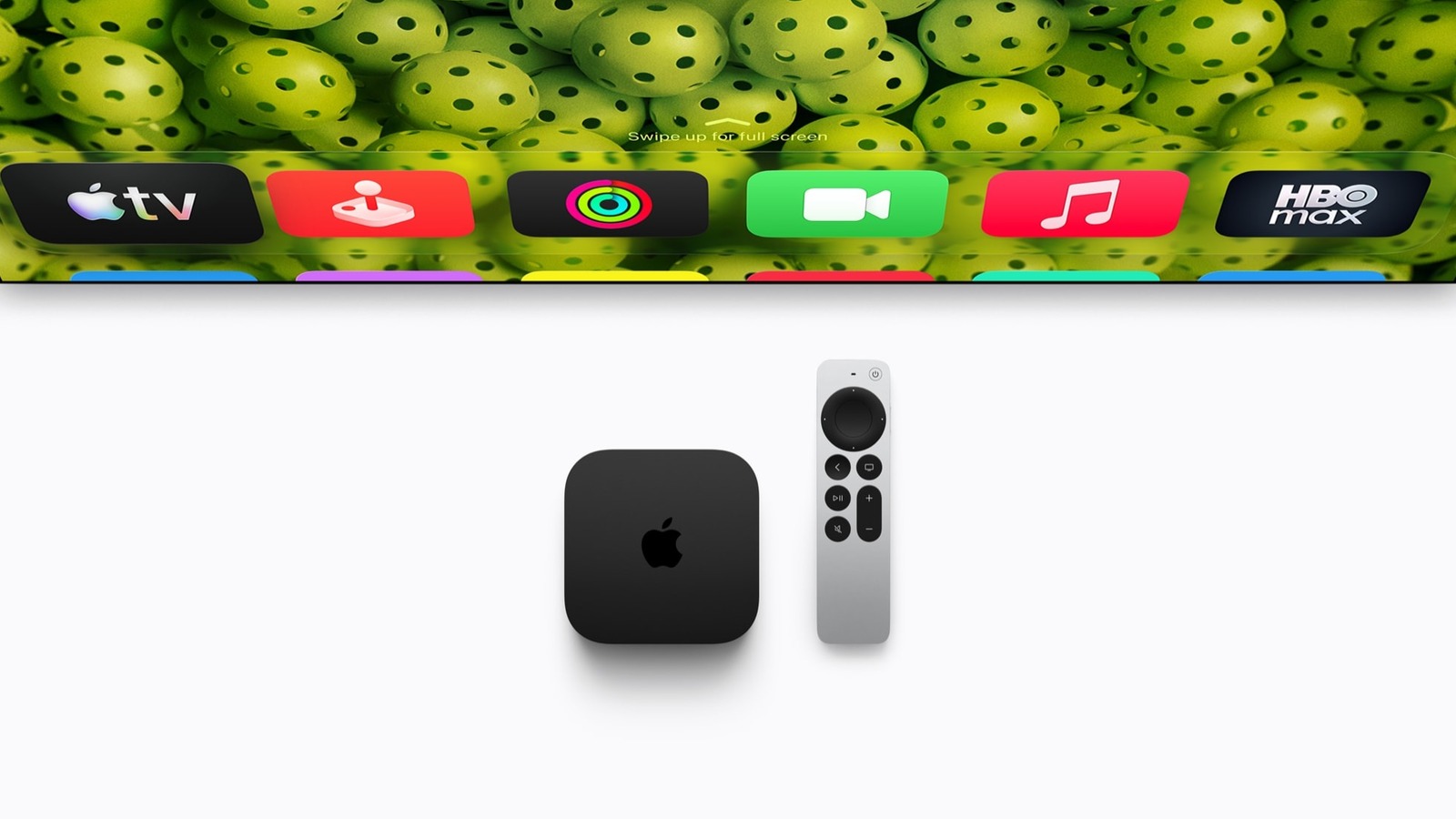
A (potentially) better smart display HomeView has a few advantages Close Amazon and Google are both old hands at smart displays, having released their first models several years ago.However, Apple's belated entry into the space with the HomeView is meaningful in itself.It's finally giving people a major alternative to screens like the Echo Show and Nest Hub.
You'll need to be deep in Apple's universe for this to make the most sense (though services like Spotify will work), but many Alexa and Google Home users are already iPhone owners.And there are a few areas where Apple pulls ahead despite mostly playing catch-up.The option to move music between devices just by putting your iPhone in front of the HomeView's display is convenient, I'd love to transfer the music from my car to a smart display effortlessly.
It can turn web recipes into step-by-step instructions, and show nine live camera feeds at once.And yes, that iMac G4-like design is arguably more attractive than what Amazon or Google has to offer.It's true that Amazon and Google do some things better.
They're not tied to a single ecosystem, work with a wider range of services, and still have more devices to choose from.You can get larger screens, physical privacy shutters, and even models that double as kitchen TVs.But the HomeView is a strong start and goes a long way toward making Apple Home relevant.
A real whole-home ecosystem You don't have to hunt for accessories Apple has never had equivalents to Amazon's Ring or Google's Nest smart home accessories.You've had to go searching, even for basics like security cameras.Why bother when Apple's competitors are one-stop shops? The introduction of the Apple Home Collection upends that expectation.
LG and Schneider Electric might have co-designed the line, but the impact is the same: you can buy a wide selection of accessories that are optimized for Apple Home, including single-tap pairing and full Siri control.While there's still the need for some third-party gear (lighting, for example), I'd be much more confident buying a HomeView or HomePod knowing the most essential categories are covered.That whole-home approach might make it harder for Apple Home allies like Ecobee to stand out.
But I'm hoping that the Home Collection will inspire better products.It certainly reduces the appeal of Amazon and Google, if just for iPhone fans who'd rather not go through comparison shopping or fussy setup rituals to get going.The higher-than-usual prices of the Home Collection will let at least some manufacturers carve out niches for themselves.
If there's a more pressing worry, it's that the Apple Home ecosystem might not grow larger, no matter how well-designed the accessories might be.Amazon and Google have momentum on their side, and that's difficult to stop despite Apple's size.The Home Collection could be necessary to guarantee at least some accessory choices.
More trustworthy privacy promises There should be few scandals Amazon and Google have faced their share of privacy uproars.Amazon's track record is rough between Ring's police collaboration and concerns about possible mass surveillance.Google, meanwhile, is dealing with multiple lawsuits over allegations it collects strangers' face data without consent.
As much as the accusations of spying are sometimes overblown, the history doesn't exactly inspire much confidence.Related I Ditched Alexa for Apple Home, Here’s Why It’s Better (And Worse) The good, the bad, and the features I still miss.Posts 3 By Nate Pangaro Apple maintains that privacy is at the heart of the HomeView and its other new smart home devices.
Camera and mic data is kept locally and separately.You need a paired iPhone or iPad to access your personal data on the HomeView.Facial recognition is present, but Apple maintains that data is completely encrypted (including for the Home Collection), and that cloud-stored video is inaccessible to anyone for the 10 days it remains online.
Even the indoor camera tilts down when you get home.This doesn't mean you should blindly trust Apple.I'd like security experts to test Apple's claims, and LG has drawn flak for purportedly eavesdropping on TV users and installing adware through monitors.
But Apple has long put a greater emphasis on privacy than its challengers, and says that extends to the LG and Schneider devices.That trustworthiness could easily lure would-be buyers away from Amazon and Google.
Read More