The range of “official” Home Assistant hardware has been expanded to include a new box of tricks, continuing an encouraging trend that has come to define an exciting year for the open-source smart home.It doesn’t matter whether or not this new device is of interest to you; its mere existence is a reason to feel optimistic.Add How-To Geek on Google Add as Preferred Source Follow on Google Discover Here’s why.
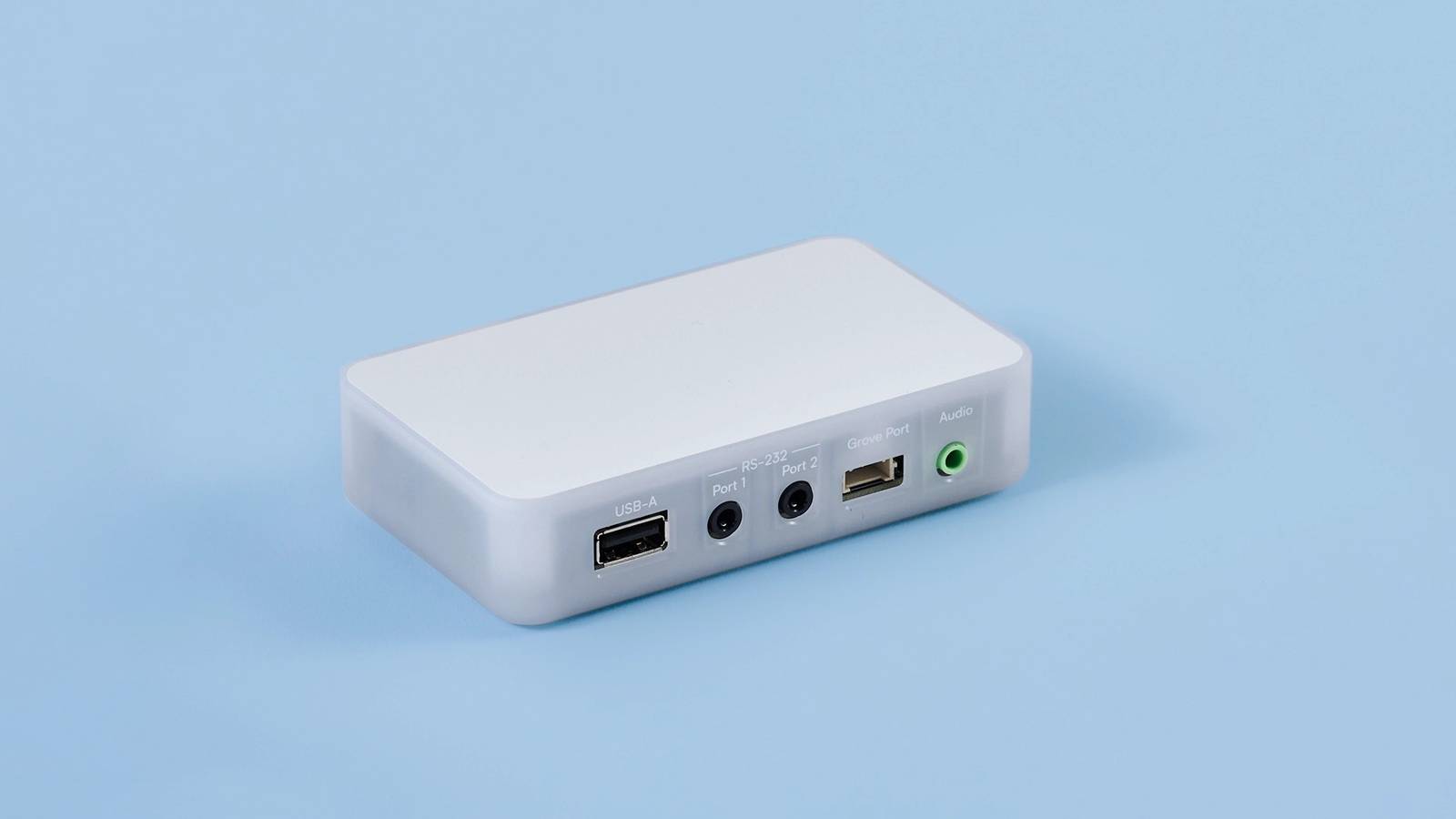
The Home Assistant Connect AUX-2 is here Sounds good Close The Home Assistant Connect AUX-2 is the latest hardware release from Nabu Casa, a company that started out as a cloud provider offering Home Assistant backup that has grown to incorporate a range of hardware too.The accessory is priced at $69, money that will go towards supporting Home Assistant and the many smart home-adjacent projects that fall under the Open Home Foundation’s umbrella.The main draw of the AUX-2 is its ability to act as an audio output.
Using a combined optical (S/PDIF) and analog 3.5mm stereo port, the AUX-2 carries a non-amplified audio signal over the network to your stereo receiver.This allows you to plug it into a vintage stereo system and integrate it with Music Assistant.Whole-home audio via the open Sendpin standard plus support for lossless FLAC, MP3, and WAV output at 24-bit/48kHz quality makes it the perfect companion for any audio equipment you’ve yet to integrate into your smart home.
On top of this, the AUX-2 acts as a Swiss Army knife of sorts with a bunch of other features.There’s an RS-232 serial port with TX/RX (transmit/receive) switches, plus a standard USB-A port that allows you to plug in the company’s previous hardware (the Home Assistant Connect ZWA-2 Z-Wave adapter).Other mesh adapters should work, though they are untested at the time of release.
This is all backed up with Power over Ethernet (PoE) support for powering the device (with an optional USB-C 5V/2A input if you’d rather plug it into the wall).Support for the ZWA-2 means you can put your Z-Wave stick in a more central location, rather than having it plugged directly into your server, which might not be optimally located.Basic connectivity is provided by Wi-Fi and Bluetooth, with the ability to use the AUX-2 as a Bluetooth proxy for controlling nearby devices or as a proximity sensor.
The AUX-2 is designed with expandability in mind, with a Grove port for connecting additional sensors.The whole thing is built on ESPHome, with an unlocked bootloader for hacking your way to new functionality if that’s what you’re into.The AUX-2 is all about bringing older devices into your smart home That RS-232 port is key The obvious use for an AUX-2 is to add an old Hi-Fi to a modern smart home system.
You can use Music Assistant to bridge the gap between your personal offline library or streaming platforms like Apple Music and Spotify.This turns your dad’s old stereo into a modern streaming device that can sync with smart speakers and other playback devices as part of a whole-home audio system.You can also designate the AUX-2 as an output for AirPlay within Music Assistant, turning any old amp into an always-on AirPlay receiver without having to go through Music Assistant for control.
One detail that you’d be forgiven for missing is the serial port.Flip that old stereo receiver around, and you might be surprised to see a serial port on the back.This can be used to control volume and other functions on vintage, high-end, and modern amplifiers.
It’s key to making these systems work like any modern satellite speaker.That serial port can do way more than just control the volume on your amp, though (and you get two ports on the AUX-2).Serial also works to control devices like TVs, projectors, climate controllers, uninterruptible power supplies, and more.
You just need the right converter cable in order to make the connection.Finally, that Grove sensor port is key to even more functionality.These are plug-and-play sensors that add functionality like temperature and humidity sensing, air quality monitoring, cameras and AI vision, and much more.
Check out Seeed Studio’s Grove sensor wiki page for a full list.Home Assistant has been on this path for a while No device left behind Even if you don’t have a vintage stereo and aren’t bothered about relocating your mesh network coordinator, the AUX-2 is still noteworthy.It continues Home Assistant’s run of expanding the platform’s compatibility with older devices.
May saw the addition of native radio frequency (RF) support, bringing older devices like garage doors, ceiling fans, and even RF outlets into the Home Assistant fold.August did the same thing for infrared (IR), which treats IR like a first-class citizen within the Home Assistant ecosystem.This isn’t just for your TV; it also covers split-system air conditioners, soundbars, and stereo systems.
It looks like there’s more to come, too.A Nabu Casacomment on the official Home Assistant blog post announcing the AUX-2 reveals: “We got plans for IR/RF hardware, but we’re working to get it right.” Home Assistant is better now If you’ve been holding off on going all-in on Home Assistant, you might want to reconsider your position in light of some big improvements to usability that have arrived in 2026.
Read More