I use FOSS (free and open-source) tools every day on my Linux machine.But before I started really getting into it, there was one app that changed the way I thought about software to that point: LibreOffice.Discovering it changed my mind about how I use software and I consider it a hidden gem that's hiding in plain sight.
Related Open-source Office alternatives are good until they aren't—here's where they fail They're good.They're just...not Office.
Posts 27 By Arol Wright I stopped really buying software after discovering LibreOffice It was my number one FOSS alternative for a long time Most people probably don't get up in the morning and loudly proclaim, "Self, I'd like to build a pocket server or do some self-hosting today." That sort of thing typically comes with time and a bit more planning, at least in my experience.This is going back a bit, but the first FOSS tool I ever used was OpenOffice's Writer program back in, most likely, 2008.A few years later, LibreOffice came about, branching out from OpenOffice.
For many, myself included, it was a better program and offered a free, but powerful, alternative to Microsoft Office Suite (probably better known today as Microsoft 365 today).I immediately jumped on board and have been using it ever since.I only use Microsoft Office when absolutely necessary.
Several factors made me reconsider paid software Free isn't the only important factor So, why did LibreOffice change the way I think about my relationship with software? Close The features, user-friendly interface, compatibility, and accessibility of Writer, Calc, Draw, and Impress led me to reconsider what I was getting when I bought software.Do I actually own the software I purchased or am I merely paying for a license? Can the developers simply take it offline or no longer support it at any given time? Can I experiment with it and tweak the code myself? What I paying for, exactly? These are all questions I started asking myself before buying new software.Just because I use apps like Obsidian and Joplin to write in Markdown doesn't mean I've abandoned LibreOffice Writer.
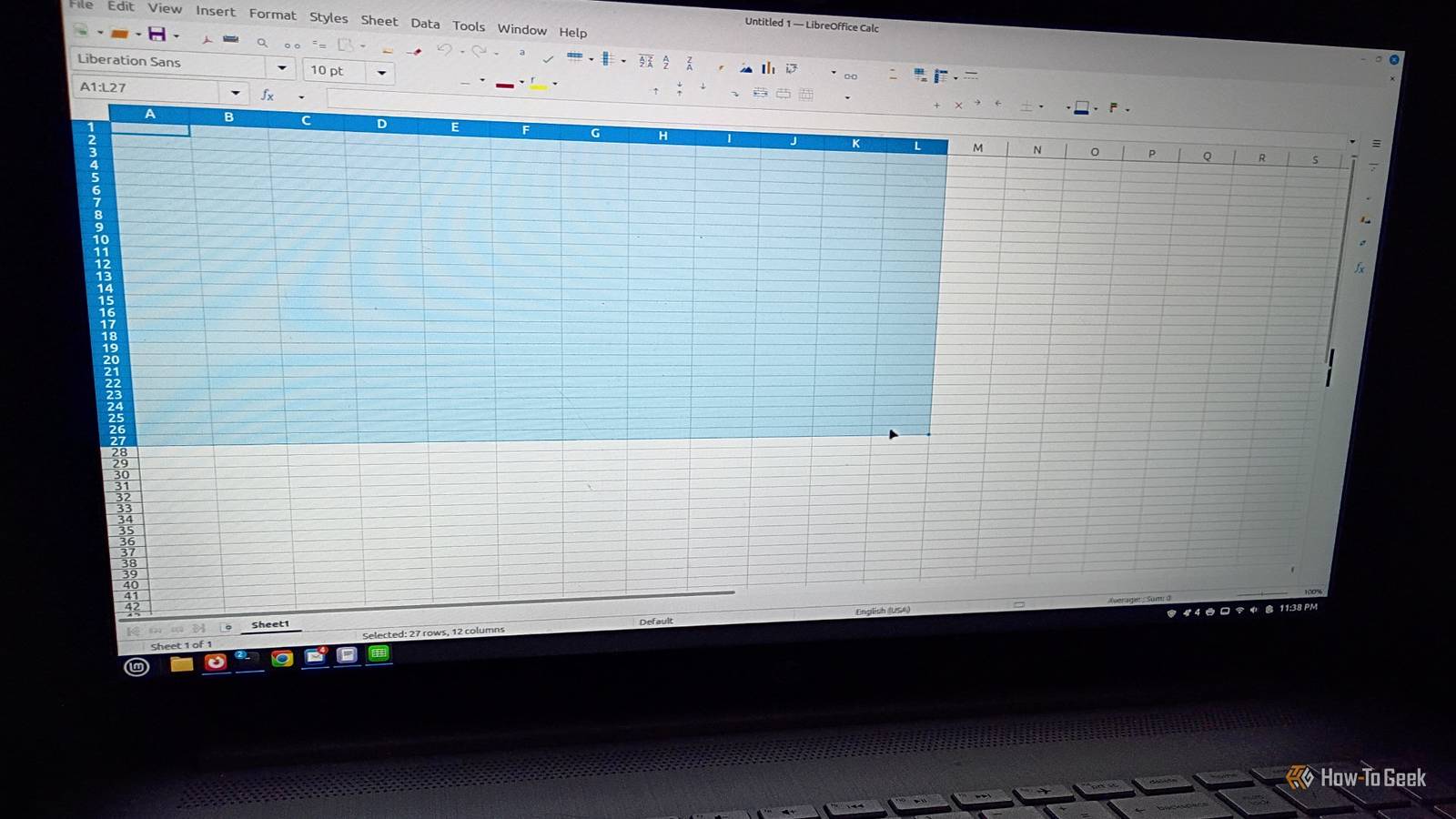
I still use it for different types of projects.Calc is my go-to spreadsheet program, where my budgets, freelance work tracking, and data analytics live.That thing is a powerhouse, and it can handle functions like pivot tables, COUNTIF, or XLOOKUP I've made slideshows with Impress.
I even designed a fancy-looking resume with Draw.Ultimately, it taught me that free doesn't always mean you get less or that something's designed poorly.Free can be so much more than that.
Once I applied that idea to other software, and an entire world opened up for me.Related 5 free and open-source software (FOSS) to replace Microsoft, Google, and big tech You don’t have to keep paying big tech to use your own data—it just feels that way because you never tried the alternative.Posts 7 By Dibakar Ghosh Free doesn't always mean a cheap clone FOSS can be its own thing Some of the things that matter to me most don't really come down to the cost of something.
I value privacy, security, and openness.I don't like AI being shoved down my throat and into every piece of software I use.LibreOffice has never significantly altered the user interface, removed features, or completely changed something to make it harder to use in the name of "improvements to the experience." It offers a clean environment where no one is tracking your usage.
There's never a subscription, so you can run formulas or export PDFs without needing to pay a little extra.Many FOSS applications that I've used since, like Scribus or Shotcut might have features that are similar to their Adobe counterparts (InDesign and Premiere respectively), but they are decidedly not those programs.They are their own thing, with their own strengths in their own interfaces.
In this specific example, they offer everything I need to from an Adobe program without being tethered to Adobe or the requirement to work in the cloud.Extrapolating that idea across every bit of software I use whenever possible just makes sense for the type of work in products that I do.A fascination with FOSS led me to Docker and more From open-source to self-hosting and beyond One of my favorite things to do lately is self-host programs, which is largely thanks to Docker.
When I discovered Docker, it changed a lot about how I use Linux and what types of programs I use.Self-hosting is simple and it saves a lot of time, energy, and money.Docker containers, that is applications, are one of my favorite ways to install software on my Linux machine.
I am about six or seven running at any given time.Almost every other program I use is FOSS: Audacity, Joplin, Scribus, Pinta, Shotcut, OBS Studio.There are plenty more.
Learning to use and manage Docker made many more FOSS tools accessible to me.I never would have gotten there if I hadn't started messing around with LibreOffice a decade-and-a-half ago.I realize it's not the most exciting piece of software out there, but in my case, it completely changed my perspective on software.
Related Open Source Is Both the Best and Worst Thing for Tech The open-source movement has revolutionized technology, but is it too good to be true? Posts 4 By Sydney Butler FOSS offers freedom and control Just because I use FOSS tools whenever possible, doesn't mean I'm averse to paying for software if it offers true value.I bought a copy of Reaper (a DAW program) back in 2019 and occasionally buy apps I know I'll often use, like CdisplayEx.But beyond those rare exceptions, I've never felt compelled to sign up for a subscription service like Adobe Creative Cloud (although, in the interest of full disclosure, I did use it when I got a free version of it for being a student) or buy a lot of software.
Why would I, when there's a world of FOSS tools out there? I can even make my own.LibreOffice OS Windows, macOS, Linux, Android Individual pricing Free Download for free Expand Collapse
Read More