Like most people, the last optical drive I had in my computer was a plain old DVD writer.I just never saw the point of a PC Blu-ray drive.In many ways, I think it's a small miracle that you can still readily buy a Blu-ray drive for PC today.
With the news (via Tom's Hardware) that Sony was stopping making Blu-ray recorders, it got me thinking that the muted era of the PC BLu-ray drive is also quietly coming to an end.Blu-ray on PC was always a niche within a niche A great technology looking for a purpose Blu-ray discs are a major improvement over DVDs.You can fit up to 100GB of data on a Blu-ray disc, depending on how many layers the disc has.
Compare that to the 8.5GB of space you get on a dual-layer DVD, and it's in an entirely different league.But at the time these drives became available for use with PCs, they were entirely an optional purchase.If you think about it, there's nothing anyone needed these drives for on a computer.
Software no longer came on discs as it did with CDs and DVDs.If people wanted to watch high-definition video, there were standalone players and gaming consoles that could already read these discs.Honestly, the only use case for watching BD movies I can think of us in a laptop while on a plane, or in a hotel room.
Maybe you wanted to make backups, and that is a legitimate use case.You get 100GB archival-grade discs, and so BDs could be a space efficient way to put data into cold storage.However, most people don't need to do that, and so these drives never really caught on.
The licensing mess made everything worse It's just too much hassle If you wanted to have a drive in your computer to watch movies, things were far too complicated to make it worth the effort.Windows does not have native support to play BD movies, and so you have to purchase media player software like PowerDVD, which allows your computer to decrypt the data on the disc and play the footage.4K UHD Blu-rays made this even more onerous.
Hardware DRM requirements meant specific CPUs, firmware, and drive models were required.It was a far cry from the plug-and-play simplicity people expected from PCs.Streaming quietly made the format irrelevant Trading convenience for quality Compare this to simply opening Netflix in a web browser and clicking on the movie you want to watch on your computer.
Even though Blu-ray movies offer better audio and visual quality than streaming, I've learned over the years as a physical media proponent, for most people, convenience wins out nine times out of ten.Besides, most of the computer monitors we use aren't going to expose the flaws in streaming quality as readily anyway.So I can understand why few people were chasing the Blu-ray dragon for their PCs in particular.
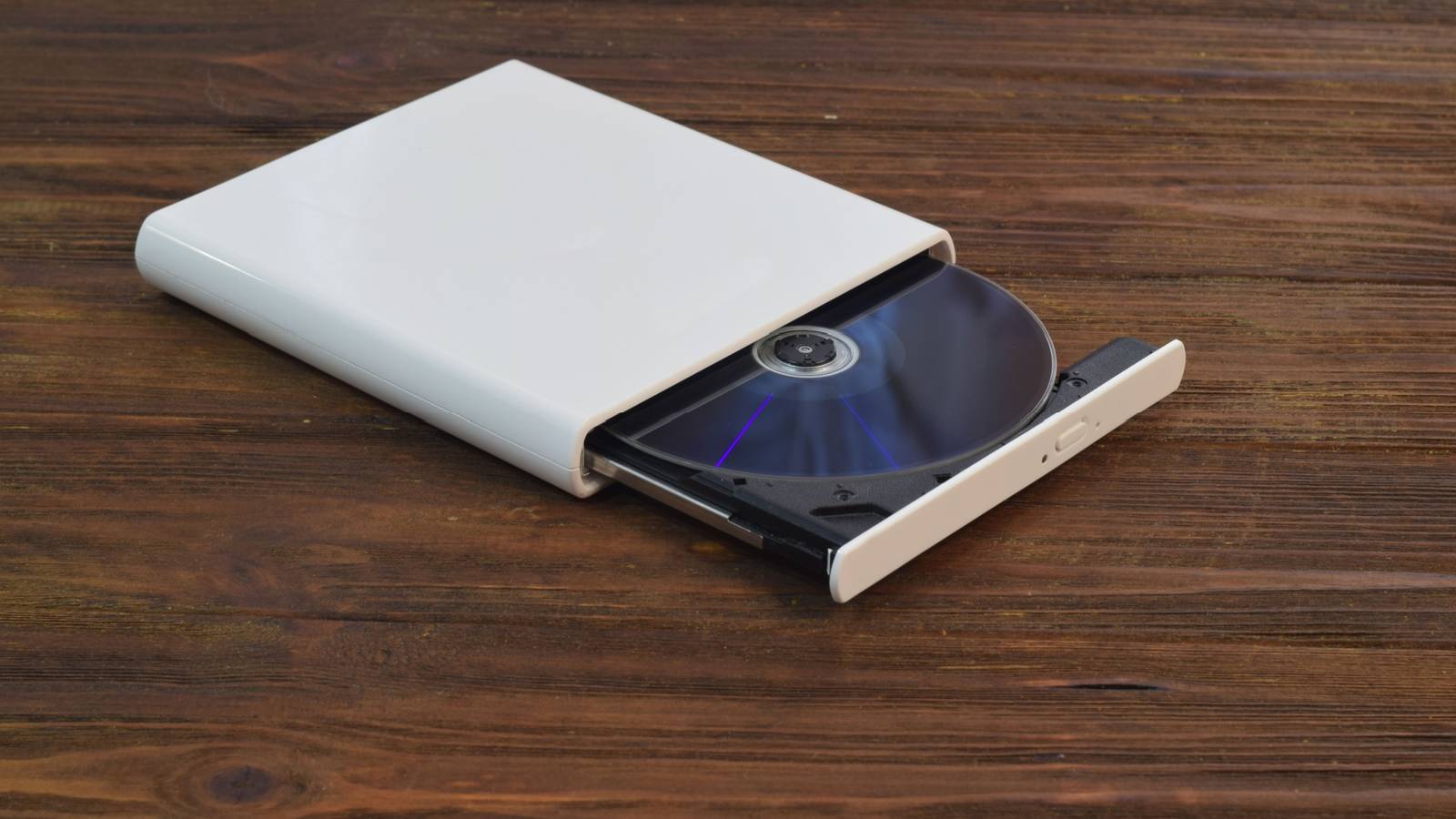
Hardware support is fading from every angle Optical drives as a whole are effectively gone from modern computers and have been for quite some time.When's the last time you saw a computer case with the large drive bays you need to install an optical drive? Realistically, if you need an optical drive these days, it's going to be in USB form.I always ensure I have at least one USB DVD-writer in my home because this is genuinely useful.
I make file backups to discs, and now and then I have to make the odd audio CD or MP3 CD in case I'm going to be stuck in a car that can play those formats but has no Bluetooth.The actual drives are going out of production too.Both Pioneer and LG have exited the optical drive market, and if you search for drives to buy online, you're more likely to see them from a brand you've never heard of before.
It’s not a dramatic death—just a quiet fade-out To be clear, Blu-ray itself is nowhere near its expiration date.The next generation of consoles will probably still have these drives, and movies and shows will still be released on these discs for years to come.I might not have felt this confident about it a few years ago, but the degradation of the streaming industry has taught people to value media ownership, and just in time too.
No, it's the end of Blu-ray for PCs, but I doubt anyone will actually notice.Blu-ray drives never had much of a relevant role to play in PCs, which have been ahead of the curve with digital adoption throughout.Though, with the rising cost of storage devices, some PC users might discover that a Blu-ray burner might still be the most cost-effective for cold-storage.
I've been surprised by weird market trends before!
Read More