I put off trying ESP32 projects for a long time because I assumed they would be complicated and time-consuming, and I didn't have hours to spare.Building ESP32 projects from scratch can take time (though not nearly as much as I'd imagined), but you don't have to reinvent the wheel.Some commercial products contain ESP32 chips, and you may be able to flash them with custom firmware.
Add How-To Geek on Google Add as Preferred Source Follow on Google Discover You don't have to build the hardware yourself Someone else has done the hard work Building an ESP32 project from the ground up can involve a lot of effort.Depending on the project, you may need to wire up sensors, displays, buttons, LEDs, relays, and more.While you may be able to connect some of these sensors using cables, some projects may require a lot of soldering, too.
Commercial products built around ESP32 chips have already done all of this hard work.The sensors and other components are already connected to the board, so you don't need to do any of that yourself.For some devices, it's possible to flash the ESP32 inside with custom firmware that lets you use the device for your own purposes.
A popular example is the Ulanzi TC001 Smart Pixel Clock, which has a 256-pixel LED matrix display.By flashing this device with custom firmware, you can turn it into a Home Assistant display without going to the effort of building your own LED matrix.Related DIY Zigbee sensors still beat Thread and Matter, but nobody talks about why I'm not giving up on Zigbee yet.
Posts 3 By Tim Brookes There's no need to worry about enclosures or power supplies You already have a finished product Some ESP32 projects can be very simple to set up.You can turn a standard ESP32 board into a Bluetooth proxy, for example, using the ready-made firmware in ESPHome.The problem is that the ESP32 isn't the only thing that you need for the project to work.
At a minimum, you also need a suitable power supply and a power cable.This will get your Bluetooth proxy working, but it will still be a bare board, so to keep things neat and protected, you'll also need some kind of enclosure.Commercial products often already come with power supplies and enclosures.
By flashing a ready-made device with your own firmware, you don't have to worry about buying or 3D-printing an enclosure.The complicated hardware programming has been done The firmware knows how the components work Close If you're building an ESP32 project from scratch, connecting up all the different components is only half of the challenge.You also need software that knows which GPIO pins your components are connected to and how to talk to them.
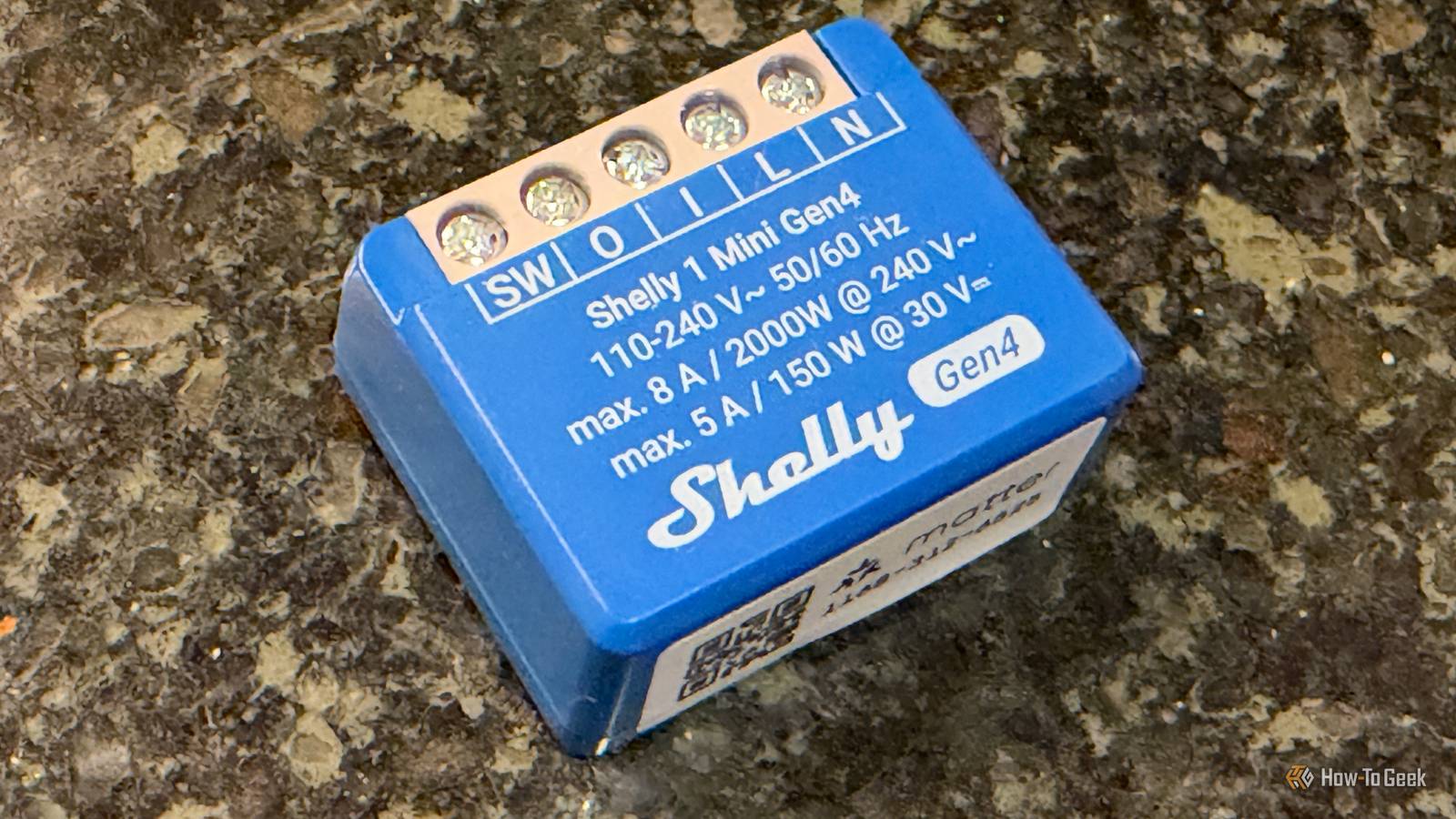
The more components you connect, the more effort this becomes.For suitable devices, alternative firmware projects are often already configured to know which components are connected and can talk to them directly.For example, if a smart plug has an LED ring, with custom firmware, you may be able to turn that ring on and off with smart home automations, without having to build anything of your own.
You're not limited by the manufacturer's software Your devices may be capable of more This is one of the best reasons to flash ESP32-based devices with custom firmware.The default firmware was created by the manufacturer, which controls the features that are exposed and whether those features need cloud services to work.Alternative firmware can give you much greater control and can even give a device features that the standard firmware doesn't offer.
The Ulanzi TC001 is a perfect example; with custom firmware, it can show Home Assistant notifications, your current energy usage, temperature and humidity, and more.Flashing firmware can even break devices free from the cloud.If you have compatible cloud-based smart plugs, for example, then flashing custom firmware such as Tasmota can give you fully local control of the plug without the need for a cloud connection.
You can experiment without having to buy a ton of components Not every ESP32-based device is suitable One of the best things about flashing custom firmware to ESP32-based devices is that you can often do it with devices that you already own.I've flashed Tasmota onto a lot of my smart plugs that were previously reliant on the cloud, and now I can control them completely locally.Trying to build a smart plug would have been a ridiculous undertaking, but all I needed to do was flash the ones I already owned.
You may be surprised by how many devices are built around ESP32 chips.Not every ESP32-based device will be possible to flash, and some may require opening and soldering in order to flash them.Plenty of devices are capable of being flashed wirelessly over the air, although firmware updates can stop this from working.
Your next ESP32 project may already be in your drawer There are plenty of community projects that allow you to flash ESP32-based devices to make them your own.It's worth taking a look in your junk drawer to see what you have lying around.You may already have everything you need for your next ESP32 project.
Read More