On this page How to keep kids safe online Internet safety best practices Internet child protection laws by state Download Allconnect’s Internet Safety Workbook for Kids Consider this: Most children are allowed to explore the internet before they’re able to cross the street alone.While the internet can be an amazing learning resource, covert online threats mean your child is a click away from potentially harmful content.That’s why parental guidance is essential to keeping kids safe online.
Fortunately, there are tools and settings that can make your job easier.Use this guide to help you take smart steps toward protecting your child online.How to keep children safe online If keeping your kids safe online seems overwhelming, the good news is that getting started securing your child’s digital world is easier than you think.
Begin with these basic steps every parent or guardian should take to prevent cyber predators and ensure their kids’ online safety.Each takes an hour or less, depending on your comfort level with tech.1.
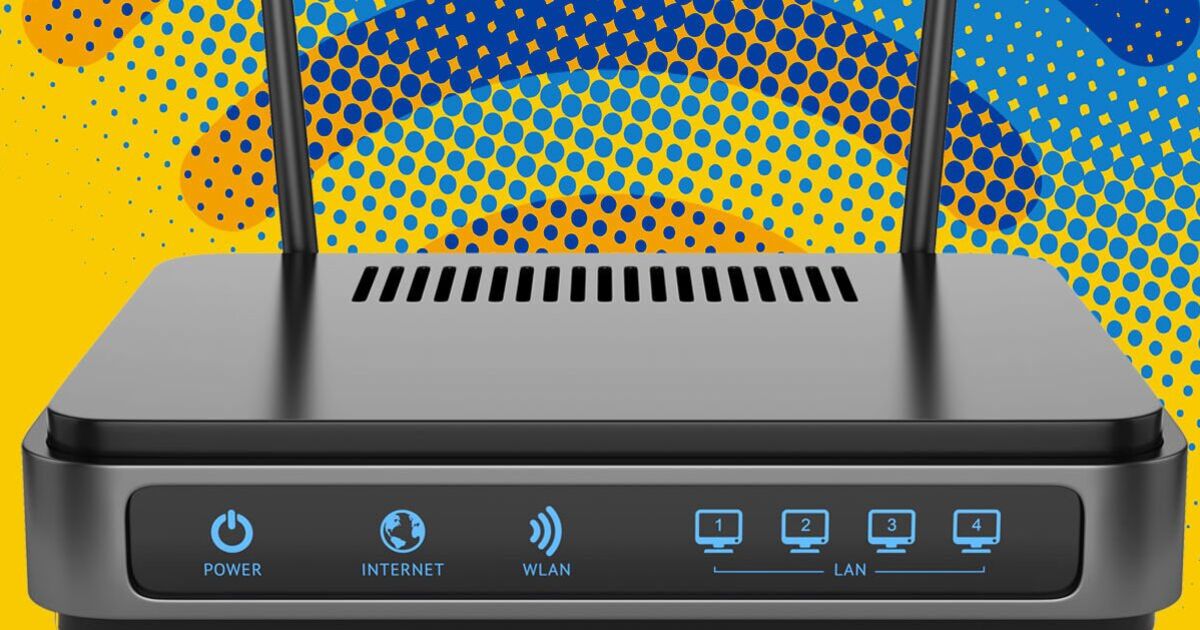
Set up website filters Use your router to set up child-safe internet filters.Control which websites your child can or cannot access by logging in to your router to access parental control functions A simpler alternative to changing router settings is to use your internet service provider’s (ISP) app to customize parental controls.Your ISP may even have an app solely dedicated to safe internet for kids.
For example, the AT&T Secure FamilyⓇ app allows you to filter or block specific content, locate devices, schedule screen time and more (monthly fees apply) You can also try third-party apps, like Bark or the free-to-use Google Family Link, that allow you to set up similar filters and security features for cellphones and tablets 2.Block specific websites or keywords Ensure your child can only get to trusted internet content by blocking websites and keywords of your choosing As with filters, you can set up these limits through your router or ISP’s security app Don’t worry about limiting your own internet access — most systems let you designate “trusted devices” that allow your personal cellphone or computer to bypass parental control settings 3.Schedule when your child can access the internet Keep your child safe online by setting an internet schedule for when your child has internet or Wi-Fi access Set up time frames through your router or internet provider’s security app Limiting screens with designated use windows can also benefit your child’s development and ensure screen-free time for homework and social activities 4.
Encourage child internet safety in your home Help kids understand the risk of online predators and the serious consequences of ignoring internet safety rules Educate children about internet safety so they can make smart choices online and build their confidence in using the internet safely 5.Monitor the online child safety laws for your state The federal Children’s Internet Protection Act (CIPA) limits kids’ access to content that is explicit or harmful to children when using computers in certain public schools and public libraries Any state receiving E-rate funding, discounted internet access or funds through the national E-Rate program must abide by the CIPA safety guidelines for children Many states have added additional statewide online safety measures to the federal CIPA guidelines Select any of the states below to learn more about child protection laws in your state Internet safety best practices There are a number of things you can teach your children to make sure they have a safe online experience.The National Children’s Advocacy Center recommends the following best practices for children: Never post your personal information, such as a cellphone number, home number, home address or your location Never meet in person with anyone you first met on the internet Check with your parents before you post pictures of yourself or others online Never share your password with anyone, including your best friend.
The only people who should know your password are your parents or guardian If you wouldn’t say something to another person’s face, don’t text it or post it online Do not download or install software or anything on your computer or cellphone before checking with your parents or guardian Use the privacy settings of social networking sites If anything makes you feel uncomfortable online, while gaming or when using your cellphone, talk with your parents or guardian right away For a fun, educational way for kids to learn more about how to stay safe online, download Allconnect’s Internet Safety Workbook for Kids.Internet child protection laws by state While the federal CIPA law sets the basic rules for keeping kids safe online, these states have their own extra child protection laws.Select your state Alabama Alaska Arizona Arkansas California Colorado Connecticut Delaware Florida Georgia Hawaii Idaho Illinois Indiana Iowa Kansas Kentucky Louisiana Maine Maryland Massachusetts Michigan Minnesota Mississippi Missouri Montana Nebraska Nevada New Hampshire New Jersey New Mexico New York North Carolina North Dakota Ohio Oklahoma Oregon Pennsylvania Rhode Island South Carolina South Dakota Tennessee Texas Utah Vermont Virginia Washington West Virginia Wisconsin Wyoming Alabama Alabama follows the Children’s Internet Protection Act (CIPA) guidelines requiring schools and libraries to have internet safety policies to protect minors, including safeguards for their personal information.
Alabama also has pending legislation that, if passed, would require content filtering and age verification for devices and apps used by minors.Alaska No state laws on children and internet use.Arizona Requires public libraries and public schools to install software or develop policies to prevent minors from gaining access to materials harmful to minors on the internet.
Arkansas Requires school districts and public libraries to develop a policy and to adopt a system to prevent computer users from accessing materials harmful to minors.California Requires public libraries that receive state funds to adopt a policy regarding internet access by minors.Colorado Colorado public schools and public libraries are required to have internet safety policies, such as filters to protect children from accessing harmful content.
The Colorado Safe School Act also requires schools to include age-appropriate online safety guidelines in their Internet Safety Plan.Connecticut No state laws on children and internet use.Delaware Requires public libraries to have acceptable use policies and prohibits the use of library computers or mobile devices to access illegal or obscene materials.
The minor’s parent or guardian must specify the level of access to the internet the minor may have.Florida No state laws on children and internet use.Georgia Requires public schools and public libraries to adopt and enforce reasonable policies of internet safety that will protect children from access to harmful material.
Prohibits a public school or library from receiving state funds unless it implements and enforces the acceptable-use policy.Hawaii Hawaii adheres to CIPA regulations, as well as additional web filtering and monitoring for kids, per the Hawaii Department of Education.Idaho Requires each local school district in the state to adopt and file an internet use policy with the state superintendent of public instruction.
The policy, approved by the local board of trustees, shall require filtering technology that blocks internet materials that are harmful to minors, establish disciplinary measures for violators and provide a component of internet safety to be integrated into the school’s instructional program.Requires public libraries receiving public monies that provide access to the internet to the public to adopt an internet safety policy that will protect against access to visual depictions that are obscene, are child pornography or are harmful to minors.Illinois The Illinois Online Child Safety Act requires internet service providers to offer parental controls to block or allow access to specific websites.
The Illinois Child Online Exploitation Reporting Act restricts the online communication of adults (including, but not limited to, sex offenders) to minors, including barring adults from purchasing transportation for minors in order to meet in person.Illinois Senate Bill 2349 requires computer technicians to report any child pornography they find while working, strengthens the legal definition of the term and increases supervision for sex offenders.Indiana Requires public library boards to adopt a policy concerning the appropriate use of the internet or other computer networks by library patrons in all areas of the library.
The policy must be readily available to all library patrons and each board must review the policy annually.Iowa Requires public libraries that apply for and receive Enrich Iowa Program money from the state to have an internet use policy in place.Kansas Requires any school district or public library that provides public access to a computer to implement and enforce technology protection measures to ensure that no minor has access to visual depictions that are child pornography, harmful to minors or obscene.
Kentucky Requires the Department of Education to develop regulations to prevent sexually explicit material from being transmitted via education technology systems.Louisiana Requires schools to adopt policies regarding students’ and school employees’ access to certain internet and online sites.Requires internet service providers to make available to subscribers who are Louisiana residents a product or service that enables the subscriber to control a child’s use of the internet.
Maine Schools in Maine adhere to federal CIPA requirements, with many using additional software for greater online security for kids.Additionally, many schools use the NetSmartzⓇ program to help children identify and avoid online exploitation through age-appropriate education, thanks to a collaboration between Maine’s Departments of Education and Public Safety, Attorney General and the National Center for Missing & Exploited Children (NCMEC).Maryland Requires county-state libraries to adopt policies to prevent minors from obtaining access to obscene materials via the internet.
Requires internet service providers to make parental controls that enable blocking or filtering of websites available to subscribers in the state.Massachusetts Requires public schools providing computer access to students to have a policy regarding internet safety measures to protect students from inappropriate subject matter and materials that can be accessed via the internet.Michigan Requires libraries to use a system to prevent minors from viewing obscene or sexually explicit matter, or to reserve separate terminals exclusively for adults or children so as to prevent minors’ access to obscene or sexually explicit matter.
Minnesota Requires public library computers with access to the internet available for use by children to be equipped to restrict, including by use of available software filtering technology or other effective methods, access to material that is reasonably believed to be harmful to minors.Mississippi In 2024, Mississippi passed the Walker Montgomery Protecting Children Online Act requiring websites and apps with social features or user profiles to verify the age of their users, or acquire parental consent if the user is under 18.The law also limits how companies can use minors’ personal information.
Missouri Requires public schools and public libraries with public access to computers to either a) equip the computer with software or a service to restrict minors’ access to material that is pornographic for minors, or b) develop a policy that establishes measures to restrict minors from gaining access to such material.Montana No state laws on children and internet use.Nebraska No state laws on children and internet use.
Nevada Internet service providers are required to provide a product or service to regulate and monitor children’s use of the internet under certain circumstances.New Hampshire Requires school boards to adopt a policy regarding internet access for school computers, and establishes liability for violation of the policy.New Jersey No state laws on children and internet use.
New Mexico No state laws on children and internet use.New York New York has enacted two statewide laws, in addition to national CIPA guidelines: The Stop Addictive Feeds Exploitation (SAFE) for Kids Act and the New York Child Data Protection Act (CDPA).The first law bans social media platforms from showing addictive content feeds to kids without parental permission, while the CDPA restricts companies’ use of teens’ personal data.
The state also requires public libraries to establish policies concerning patron use of computers.North Carolina Requires protection of minor children from seeing any sexually explicit sites, even accidentally on library computers.Content and some websites are filtered and blocked on library computers and public Wi-Fi service.
North Dakota No state laws on children and internet use.Ohio Requires internet- or computer-based community schools to use a filtering device or install filtering software that protects against internet access to materials that are obscene or harmful to juveniles.Requires the schools to provide free filtering devices or software to students who work from home.
Oklahoma No state laws on children and internet use.Oregon No state laws on children and internet use.Pennsylvania Requires school boards and publicly funded libraries to adopt and enforce acceptable use policies for internet access that include the 1) use of software programs reasonably designed to block access to visual depictions of obscenity, child pornography or material that is harmful to minors; or 2) selection of online servers that block access to visual depictions of obscenity, child pornography or material that is harmful to minors.
Rhode Island Requires each school district to adopt the model written policy developed by the Department of Education that addresses the use of internet filtering measures for computer access in schools; requires the department to develop and post the model for use by all school districts including state schools, charter schools and mayoral academies consistent with federal law contained on the department’s website.South Carolina Requires publicly funded libraries and public school libraries to adopt policies intended to reduce the ability of the user to access websites displaying obscene material.Also establishes a pilot program to evaluate the use of filtering software in libraries.
South Dakota Requires schools to equip computers with filtering software or to adopt policies to restrict minors from access to obscene materials.Tennessee Requires the development of acceptable internet use policies for public and private schools to protect children from certain online material.Texas No state laws on children and internet use.
Utah Prohibits a public library from receiving state funds unless the library enforces measures to filter internet access to certain types of images; allows a public library to block materials that are not specified in this bill; and allows a public library to disable a filter under certain circumstances.Requires local school boards to adopt and enforce a policy to restrict access to internet or online sites that contain obscene material.Requires a school district or charter school that purchases educational technology to ensure that adequate on and off campus internet filtering is in place.
Also imposes duties related to safe technology utilization and digital citizenship.Requires internet service providers, upon request by a consumer, to provide in-network filtering or filtering software to prevent transmission of material harmful to minors.Vermont No state laws on children and internet use.
Virginia Requires public libraries to adopt internet use policies.Requires public schools to adopt internet use policies that 1) prohibit transmitting or viewing illegal material on the internet, 2) prevent access by students to materials the school determines harmful, 3) select technology to filter or block child pornography and obscenity.Requires each school division to post its internet use policies on its website.
Washington No state laws on children and internet use.West Virginia No state laws on children and internet use.Wisconsin No state laws on children and internet use.
Wyoming No CIPA laws in this state.Start researching internet service providers in your area with Allconnect.Take extra caution with children with autism The online safety practices our experts reviewed above apply to every child, but children with autism spectrum disorder (ASD) face some risks at higher rates and can benefit from a few additional considerations.
Research shows children with autism are cyberbullied at higher rates than their peers, and studies suggest they’re also more prone to compulsive internet use, particularly when anxiety is also present.Sensitivity to the effects of screen time is a factor, so it’s worth paying closer attention to how much time your child spends online and how it affects their mood or behavior.Adjust how you talk about safety, not just the rules themselves: Children with autism often do best with explicit, concrete explanations rather than assumptions that they’ll “just pick up” social cues around risk: spell out specifically what phishing emails, grooming attempts, or scams look like, rather than relying on general warnings.
Loop in the wider support network.Because routines and consistency matter so much, it helps if siblings, teachers, and other caregivers understand the same ground rules your child is expected to follow.Revisit the conversation regularly rather than treating it as a one-time talk because repetition and predictability reinforce these lessons.
Allconnect: Let us compare providers for you Why should you choose Allconnect? We’re the #1 broadband marketplace in the U.S., meaning you can trust us to search, compare and order internet and TV service for your home.Get started What to read next Read more Featured 30% of Americans say their internet is too slow.Here’s how to fix it Joe Supan — 4 min read Featured Internet safety: Guide to keep your information safe online Camryn Smith — 6 min read Featured Experts warn of ‘overwhelming evidence’ proving tech addiction is harming children’s health Samantha Cossick — 4 min read Latest Friday, September 18, 2026 State-by-state guide to keeping kids safe online Lisa Iscrupe — 11 min read Friday, September 18, 2026 How to get internet without electricity in 2026 Camryn Smith — 7 min read Thursday, September 17, 2026 Which internet providers have data caps? Camryn Smith — 5 min read
Read More