The Awesome Home Assistant list is a collection of highly useful resources for Home Assistant, including a large selection of integrations.The list includes the number of GitHub stars that each integration has received; these are some of the most popular according to the community.Xiaomi MIoT and Xiaomi Gateway 3 Bringing an entire ecosystem into Home Assistant The integration that has the highest number of GitHub stars in the current Awesome Home Assistant list is the Xiaomi MIoT integration.
In fifth place is the Xiaomi Gateway 3 integration.Both of these integrations allow you to integrate Xiaomi devices and hubs into Home Assistant.Xiaomi is a Chinese consumer electronics brand that produces products such as smartphones, but also has one of the world’s largest smart home and Internet of Things (IoT) ecosystems.
There is a huge range of Xiaomi devices available, from robot vacuums and air purifiers to smart lighting and security cameras.The Xiaomi MIoT integration exposes a wide range of devices to Home Assistant, allowing you to connect products from Xiaomi’s vast lineup.The Xiaomi Gateway 3 integration provides local control of supported Xiaomi hubs, so that you can control devices connected to those hubs locally from Home Assistant.
Related 7 Security and Safety Sensors for Your Home Assistant Smart Home Cheap upgrades for peace of mind and more automation options.Posts 3 By Tim Brookes LocalTuya Cutting the cloud from Tuya devices Tuya is the underlying IoT platform behind a huge range of budget smart home devices sold under a wide variety of different brands.There’s a core Tuya integration in Home Assistant, but it relies on Tuya’s cloud.
If the cloud services are down, you may lose control of those devices in Home Assistant.LocalTuya allows you to control Tuya-compatible devices locally, keeping your smart home more private and less reliant on the cloud.Confusingly, there’s also a Tuya Local integration which does the same thing.
I’ve found the latter to be a little easier to set up for standard devices.Adaptive Lighting Lights that follow the sun This is the most popular integration on the list that’s focused on using your smart home devices rather than just connecting them to Home Assistant.It’s a very impressive tool for automatically controlling the lights in your home.
You can add any lights that are in Home Assistant, and Adaptive Lighting will automatically adjust their color temperature and brightness throughout the day to mimic the sun.The lights are warm and dim in the morning and gradually change to cool and bright by the middle of the day, before slowly becoming warmer and dimmer toward evening.Philips Hue Smart White Bulbs Brand Philips Integrations Amazon Alexa, Google Assistant, Nest Philips Hue smart bulbs are pricey, but they’re worth every penny for their reliable connectivity, customizable light options, and ease of use.
Brightness 800 Lumen $55 at Amazon $55 at Philips Hue Expand Collapse Sonoff LAN Local control for eWeLink devices This is another integration that takes devices that rely on the cloud by default and makes them local.Sonoff is a popular brand for smart home devices, but many rely on eWeLink cloud support for app-based smart control.Sonoff LAN provides local control for Sonoff devices running the stock eWeLink firmware; for supported devices, there’s no need to flash the devices with anything new.
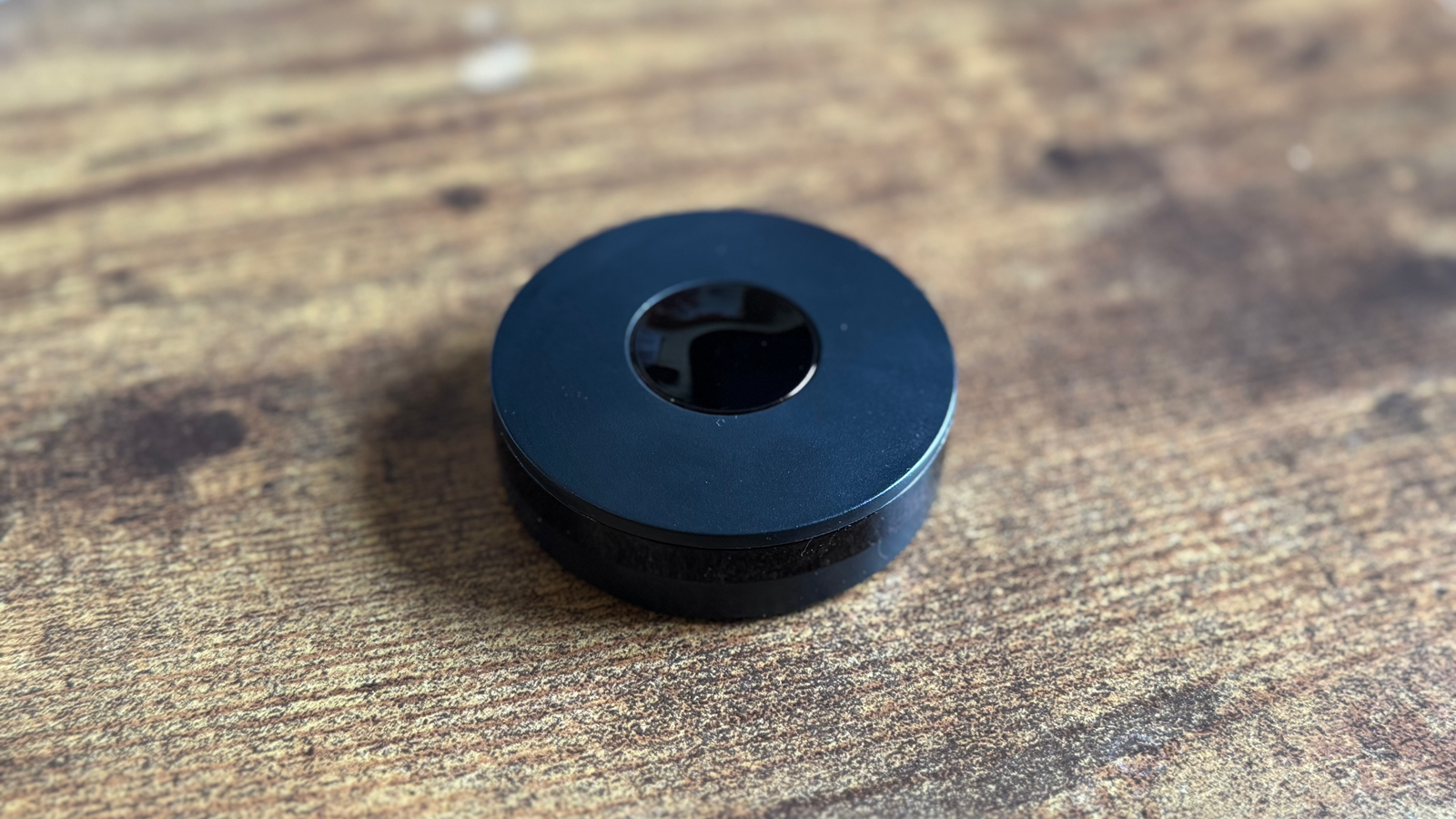
You can control Sonoff products such as smart plugs, switches, and sensors completely locally.SmartIR Letting Home Assistant control IR devices There are plenty of devices that still use infrared as a method of control.TVs, air conditioners, fans, and other appliances often have IR remote controls that you can use to operate them.
SmartIR enables you to add these devices to Home Assistant.Using an IR blaster, you can use the SmartIR integration to send out the same commands that your remote would send, so you can turn on your AC or power off your TV directly from Home Assistant.SmartIR has been somewhat superseded by the native IR integrations that have been added to Home Assistant in recent months, but it’s still a great option if your device isn’t supported natively yet.
Alarmo Build an alarm system from your own devices Sadly, this isn't an integration to expose Nintendo's alarm clock to Home Assistant.It's another integration that’s focused on using your smart home devices rather than connecting them.It’s an incredibly useful integration that allows you to create your own home alarm system using the devices that you already own.
If you have motion sensors, contact sensors, keypads, sirens, and other suitable security devices and sensors, you can combine them in a complete alarm system using Alarmo.It handles setting up and using PIN codes, arm and disarm modes, entry and exit delays, panic modes, and more, and can even handle edge cases such as arming while someone is still moving in the house.WebRTC Camera Low-latency camera streams Standard camera streams in Home Assistant often use HTTP Live Streaming (HLS), which can introduce a reasonable amount of lag.
This isn’t always a problem, but for anything where you need a live view, the delay can be frustrating.Subscribe to the newsletter for curated Home Assistant insights Get curated Home Assistant integration coverage by subscribing to the newsletter: handpicked integrations, clear explanations, and highlights that help you discover which tools to try next.Get Updates By subscribing, you agree to receive newsletter and marketing emails, and accept our Terms of Use and Privacy Policy.
You can unsubscribe anytime.WebRTC Camera uses WebRTC streams, which can reduce lag significantly so that your security camera feeds are much closer to real time.It’s particularly useful for devices such as video doorbells, where you need to see what’s happening now rather than a few seconds ago.
Alexa Media Player Make Echo devices part of Home Assistant Alexa is one of the most popular smart home ecosystems due to its ease of setup and low-cost devices, such as Echo smart speakers.It can quickly become frustrating to use, however, with limited automations, vendor lock-in, annoying ads, and significant privacy concerns.If you’ve switched to Home Assistant from Alexa, you don’t need to throw away your smart speakers.
Alexa Media Player integrates them into Home Assistant as media players so that you can use them for things such as making announcements around your home or for audible notifications.I’ve used it for years, and while it’s not always perfectly reliable, it’s a great way to get genuine use from my Echo smart speakers.Check out the rest of the list If you’ve already installed all of these integrations, or they don’t fit with the devices in your smart home, you should check out the rest of the list.
There are plenty of really useful integrations to discover.
Read More