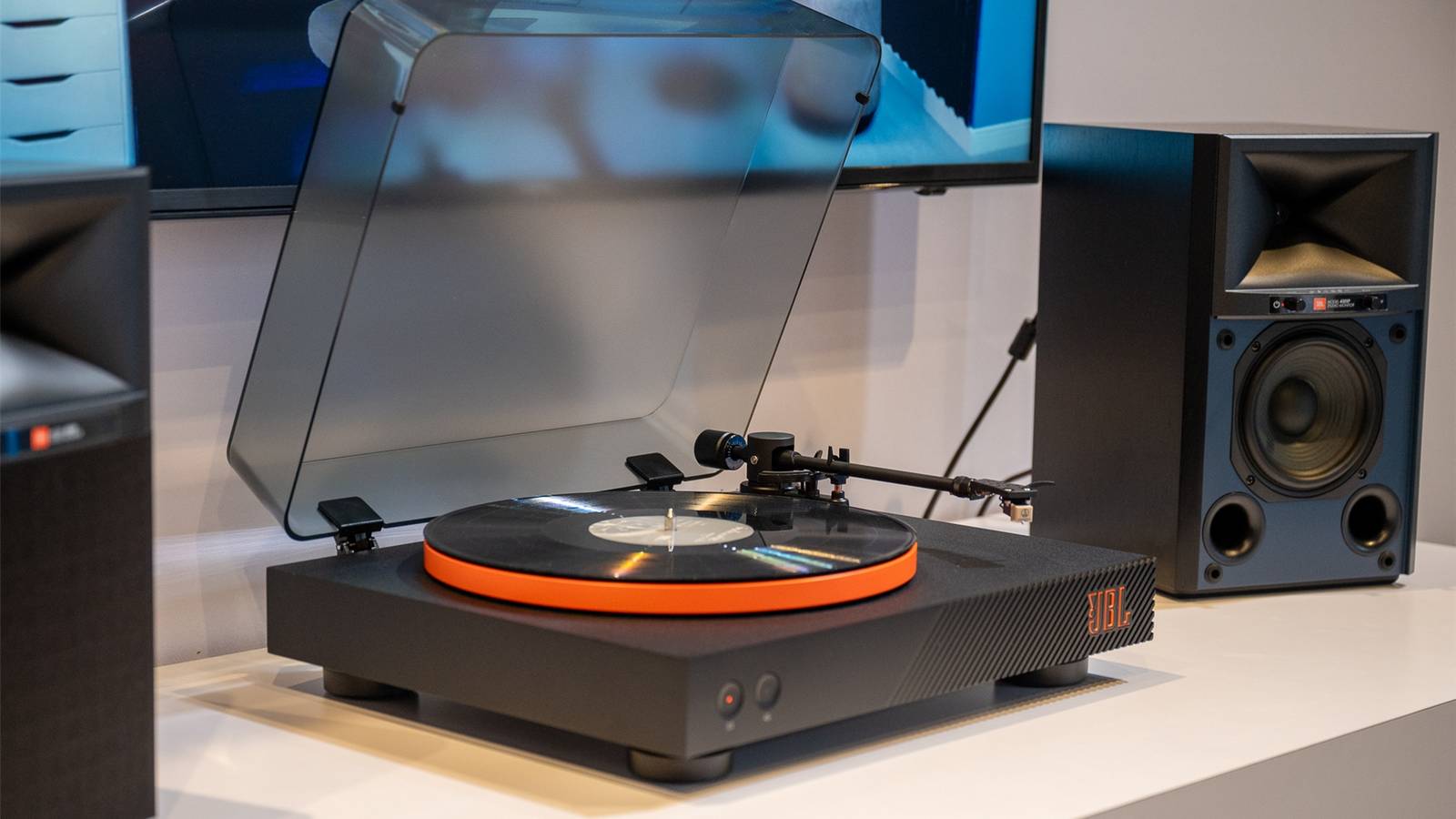
The vinyl revival is still going strong, with a niche but loyal following of audiophiles and a new younger cohort that are just looking for a more meaningful, tactile alternative to a world where music is only accessed via streaming.The vinyl hobby can be fun and rewarding, and there's nothing wrong with liking vinyl and enjoying it.However, because it can be an expensive and time-consuming pastime, it's important that you're in the vinyl racket for the right reasons and not because of these common myths that still muddy the waters when it comes to audio on pressed vinyl discs.
Myth: Vinyl is always “pure analog” from start to finish One of the most common reasons audiophiles give for the supposed superiority of vinyl as an analog format is that digitally recorded music sounds "choppy." This comes from the fact that digital music is "sampled" rather than a single continuous analog wave.For example, CD audio is sampled at 44.1Khz, meaning there are 44,100 samples for every second of music.This number is beyond the so-called Nyquist limit, which is where human perception can perceive reduced recording quality compared to analog.
Put a person in a blind listening setup, and all things being equal, there should be no difference in quality.At least as it relates to this mythical "choppiness." The big problem with this, however, is that studios have been recording and mixing music digitally since the 1980s.So even if the final medium is analog, the sound was recorded digitally in the first place.
So assuming that vinyl faithfully reproduces the sound that's pressed into its grooves, vinyl should also sound "choppy" because it's an analog recording of a digital source.All-Analog (AAA) productions do exist.Labels and mastering engineers sometimes advertise them prominently.
But they’re the exception, not the rule—especially for contemporary releases.Myth: Vinyl always sounds better than digital This is the biggest misconception about vinyl, and I cover it in detail in the real reason vinyls sometimes sound better than CDs, but the short version is that CDs are an objectively superior medium when it comes to sound quality and fidelity.They have a much wider dynamic range and can cleanly capture a wider frequency range than vinyl.
The real problem is that, given this new limitless playground, music producers got into a loudness arms race, and the way the music was mastered for CDs became downright unpleasant in some cases.Meanwhile, the limitations of vinyl constrained how music could be mastered for the medium, and it's this particular mastering that some people like more than some CD masters.However, there's nothing stopping a CD from being mastered so that it sounds indistinguishable from a vinyl.
Myth: Vinyl is more “natural” because it’s analog I think there's this pervasive idea that the analog nature of vinyl somehow makes the music more true to the original sound that's been recorded.The irony of this is that in order for music to even work on a vinyl, it has to go through much more manipulation and artificial processing than high-fidelity digital.When a vinyl is mastered, it has to have the standard RIAA equalization curve applied to it.
This prevents sound in certain low frequencies from creating waveform peaks in the physical grooves that would make the needle mechanically misbehave.Vinyl preamps apply the reverse of the standard RIAA curve to recover the original sound, but, of course, something is lost in the translation.Then, there's a good chance that somewhere in your vinyl-to-speaker chain there's a digital conversion happening.
Usually, to apply some sort of room correction algorithm or other effect to make the music sound better.The thing is, any "natural" sound from the vinyl would be lost even if the audio is converted to digital just once before reaching your ears.Myth: Older pressings are automatically superior It's partly a reaction to vinyl skeptics pointing out that most vinyls started as digital studio recordings, but there's definitely some mystique around vintage records or first pressings.
One argument is that these are AAA by definition because digital didn't exist yet, and the other is that the first pressings are made from fresh master tapes, so the source is cleaner.Both of these facts might be true in some cases, but modern reissues of vinyls can have advantages, without the years of wear and degradation those old first pressings have undergone, which probably negate any perceived benefits.Modern vinyl plants can make more precise vinyls, and if the modern pressing has been made from a digital source file, then there could have been no degradation after the point where the source was digitized.
I'm the last person who'd judge someone for liking old physical media, but I do have a problem with people being pulled into what's potentially a big financial and time investment based on false promises.So let's put these myths to bed where we find them.
Read More