Windows is famously RAM-hungry, and if you let it, it'll normally eat up about half of your RAM at any given time.If you'd like to reclaim some of that, there are a few easy things you can do.What is Winhance? Removing junk one app at a time Winhance is a free and open-source debloat utility available for Windows 10 and Windows 11.
Unlike debloat scripts, many of which are entirely automatic and provide you with no control, Winhance allows you to manually choose every single item you'd like to remove.Additionally, it lets you manipulate system settings, some of which normally require you to tweak the registry o change, and disable any nuisance startup apps or services that are eating away at your resources.It provides a fast, convenient, and granular way to debloat your Windows PC without the risk of doing it manually (which often goes amiss when you get too delete-happy) or blindly allowing a script to run without auditing its activity.
To top it all off, you can use the settings from your debloating to create a custom Windows 11 ISO that will inherit all of the changes you made.That means the next time you install Windows you don't have to debloat anything again.It is already done.
Related What Is An ISO File (And How Do I Use Them)? Physical discs might be out of style, but virtual discs, like ISO files, are as useful as ever.Posts Why is Windows 11 so RAM heavy? Loading things into RAM is fine until you run short Early versions of Windows ran on PCs that didn't usually have much RAM to spare or much CPU power to waste, so it didn't make sense to keep everything quietly running in the background.Today, however, things are a bit different.
Because most systems have more RAM than they strictly need, and CPU power is not usually at a premium, you can usually get a performance increase by keeping programs loaded in the background rather than booting them from your storage drive each time.If your computer is short on resources, though, that approach can create a problem.Get rid of unnecessary apps Does anyone use half of these? Windows 11 comes loaded with apps that you may not use, and many of them load in the background, even if you don't touch them.
For example, I've literally never used Phone Link on this PC, and yet, there it is, using up 15 megabytes of RAM plus another half megabyte for the service.Windows is loaded with other examples, like the Get Help app, which I've never found to be helpful in the slightest, or Copilot, which Microsoft seems intent on integrating into every nook and cranny of the operating system.Winhance allows you to remove all of the apps you don't use in one fell swoop.
You aren't guaranteed to free up a ton of RAM just by deleting some default apps, but if you're not going to use them, then you may as well remove them to be sure.Disable unnecessary background activities Installing updates in the background is a RAM hog Winhance also has an Optimization section, which allows you to tweak various Windows settings.How much you can gain or lose here depends on how you use your system.
One setting in particular, Auto Update Microsoft Store apps, made a large difference for me.It is under Optimizations > Updates.I'd found that my PC would randomly start lagging, and when I investigated, I found that the storage drive, network card, RAM, and CPU were all seeing fairly heavy use, which pointed to something being downloaded and installed.
After a bit of digging, I found that it was happening because Microsoft Store apps would automatically update in the background, regardless of what I was doing.On a system that is already a bit sluggish and doesn't have an abundance of RAM, it presents a huge problem.If you head to the gaming and performance tab, you'll find other settings that can reduce your background RAM usage.
You can completely disable everything related to the Xbox game bar, if you don't remove it entirely.If you head into the System Services and Scheduled Tasks sections, you'll find a huge number of services that can be set to automatic, manual, or disabled.Anything that is automatic could be eating up RAM in the background without you noticing.
Luckily, it is pretty safe to just try setting things to manual (or disabling them entirely) to see what happens, since you can always just come back and turn it back on if it causes an issue.Some scheduled tasks can unexpectedly use RAM when they run.As one example, I don't use family services at all, so why would I want a scheduled task related to family services? Much like the automatic services, you can generally disable scheduled tasks without risking your PC.
If you encounter a problem, just turn it back on.What else can you do to reduce idle RAM use? It is time to cleanup your startup apps If deleting some of the bloat from Windows didn't cut it, the next thing you should do is disable as many startup apps as you can tolerate.To disable startup apps, press Ctrl+Shift+Escape, then head to the Startup tab.
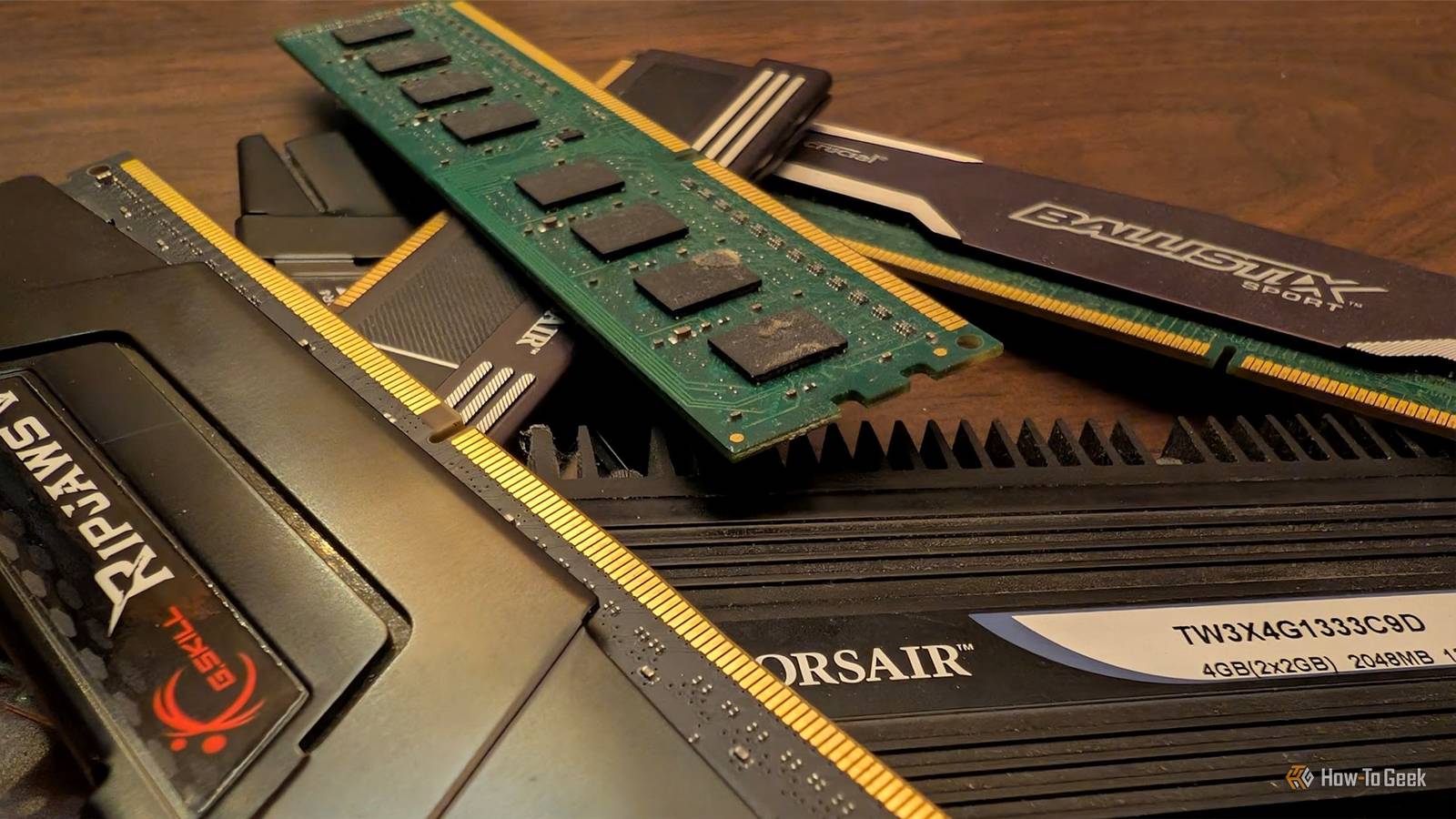
You can freely disable everything to start, and then add things back if you find you miss them too much.With RAM near all-time high prices, and certainly the highest in recent times, reclaiming RAM makes sense, especially on a system that doesn't have a ton of extra to begin with.If deleting unnecessary background apps and services didn't help, there are some other RAM-related tricks you can try to improve your PC's performance.
Read More