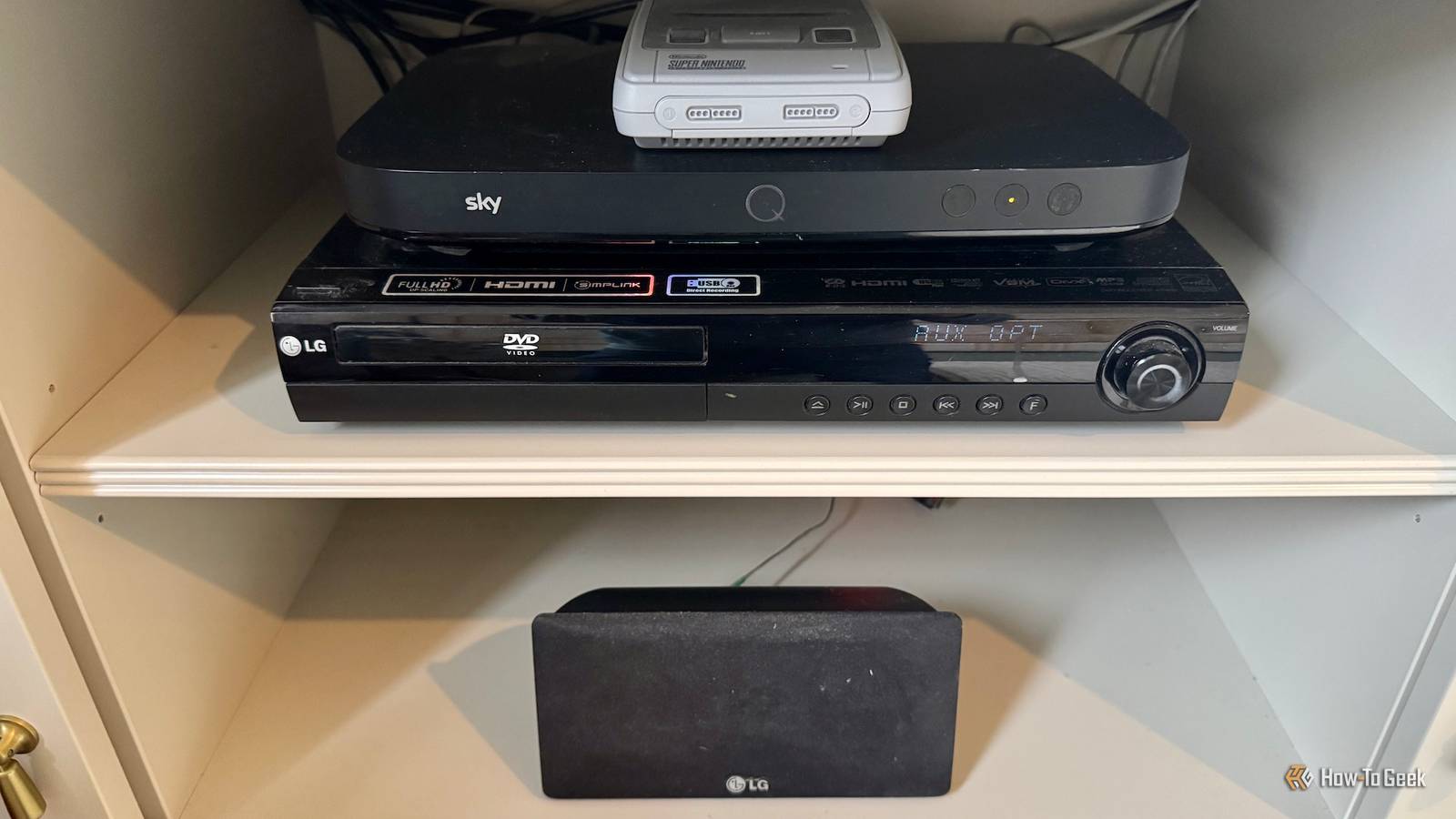
We live in an increasingly disposable world where people upgrade their perfectly functional phones every year or are forced to replace products because they're no longer supported.It's not always the case; my surround system is still going strong after more than 15 years, which isn't something that can always be said of soundbars.Add How-To Geek on Google Add as Preferred Source Follow on Google Discover I've owned my surround sound system since 2010 It shows no signs of stopping yet Close My surround system is far from being state-of-the-art; it's an LG HT805PH, a budget all-in-one 5.1-channel home theater in a box that only cost around $300 when I bought it way back in 2010.
It has six speakers, including a subwoofer, with a DVD player built into the receiver.The DVD player stopped working several years back, but the surround sound system still works as well as ever.While my surround sound system has lasted for 16 years, my TVs haven't.
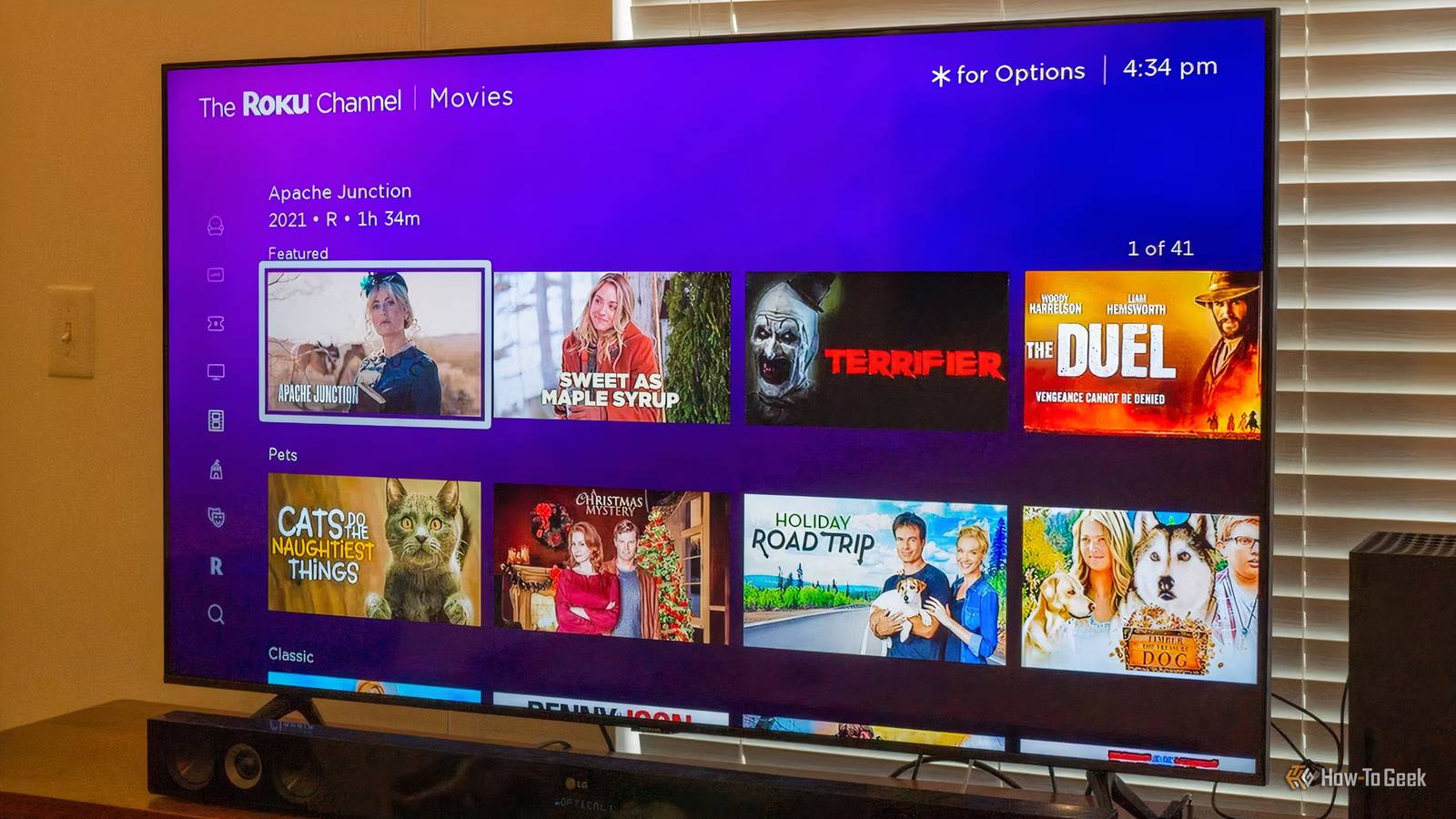
I'm currently on my third different TV since I bought the LG system.One TV developed a permanent black line of pixels running down the screen, another was just too small for my current living room, and even my current TV is showing its age.In the meantime, the surround system keeps plugging away as well as it ever has.
This long lifespan isn't always something that can be said for soundbars.There are several reasons why soundbars may end up getting replaced long before they stop working.Related It's time to stop buying soundbars—this is what you should replace it with One speaker to rule them all is not the right approach.
Posts 10 By Nick Lewis Smart soundbars can become obsolete before they break Software support doesn't last forever One common reason why soundbars can become less useful over time is that they're no longer supported by the manufacturer.Unfortunately, this is a sad fact of modern life.Soundbars increasingly rely on apps and proprietary firmware and include features such as wireless connectivity and streaming capabilities.
The problem is that manufacturers can stop supporting older devices, meaning that they no longer receive updates.This can happen long before the hardware has reached the end of its lifespan.The online services that these devices rely on can also change or disappear completely.
My LG surround system doesn't rely on apps or connectivity, so it can continue to work as intended for as long as the hardware holds up.Some soundbars with standard audio inputs may also keep working despite losing support, although you may lose some of the connected features.Proprietary systems can be a nightmare Your speakers shouldn't need to rely on a janky app Another issue that can plague modern soundbars is being tied into specific ecosystems.
When problems arise with those ecosystems, it can significantly disrupt the usability of your soundbar, to the point where you might consider buying an alternative.For example, in May 2024, Sonos introduced a completely redesigned app.The app update proved to be a complete nightmare, causing unreliable volume control, vanishing features, and even making entire systems disappear from the app.
If you've spent close to a thousand dollars on a soundbar, you don't expect it to suddenly disappear from your app or not work as expected.When a soundbar relies on proprietary apps, this is always a risk.My surround sound system is controlled by a basic IR remote, so there are no apps or ecosystems to worry about.
Simple connections are the secret to long-lasting audio equipment My old surround system still works with many modern TVs One of the reasons why my surround system has lasted for so long is that it uses a simple connection.It doesn't connect wirelessly using protocols or apps that can lose support; it's connected to my TV with a simple optical audio cable.Not every TV I've owned has supported ARC/eARC, but every one of them has included an optical audio port, although some modern TVs are choosing to drop it.
This has meant that every TV that I've owned has been able to connect directly to my surround sound system and start working immediately.Even if my next TV doesn't have an optical audio port, I could still hook up my surround sound system with an audio extractor if necessary.Connectivity has never been a problem; the biggest issue with my LG system has been moving home.
I've moved house three times since I bought it, and setting it up by trailing wires under furniture and around the edges of rooms has been a real pain.Once it's set up, however, it works like a charm, and I have no intention of ever moving home again as it's all far too much like hard work.My current TV will probably go before my surround sound system does My TV is already six years old, and while it shows no signs of stopping just yet, I'm willing to bet that it will die before my surround sound system does.
At some point, the surround sound system will give up the ghost, but when it does, I will be able to consign it to the tech graveyard knowing that it's cost me less than $20 for every year of service.
Read More