Once you’ve bought a 3D printer, you can keep the hobby ticking along with a steady stream of relatively cheap filament.The less filament a print uses, the lower the material cost.These great value, tiny items have proven to be some of my favorite objects to print.
There’s beauty in printing small It’s just a few cents in filament I’ve stuck with Bambu Lab’s basic PLA for the most part since getting my 3D printer.The cost of this filament starts at $20 for a 1KG spool.This means each gram of filament costs 2c, so a 50c print consists of 25g of filament or less.
Fancier filament costs more, but buying in bulk will save you money.Small prints naturally require less filament and often come with shorter printing times.I’m more likely to try out a print that only asks for a few grams of filament and my time than I am a larger one with a greater material cost.
Smaller prints mean there’s less on the line if things go wrong or the item isn’t quite what you expected.This isn’t always a good thing, since if you’re not careful you can end up with a house full of items that serve no purpose.When a print is small, you can print slowly using the best print profile available and still have the item done in an hour or two.
You can use smaller nozzles if you really need definition, but even a “basic” 0.4mm general purpose nozzle provides excellent results.You might triple the printing time when you switch printing profile from “0.2mm Standard” to “0.08 High Quality,” but when the original print only asks for 20 minutes of time, it’s often a price worth paying.Small prints greatly outnumber larger projects on websites like MakerWorld.
If you’re learning to model, starting out with something small is the way to go.Producing a physical item from your digital blood, sweat, and tears is intoxicating, but you’re probably going to make mistakes, so do yourself a favor and keep your costs down until your confidence grows.Bambu Lab PLA Basic Filament Bambu Lab's PLA Basic filament comes in a wide range of colors and ships on a reusable plastic spool.
With embedded RFID chips in each spool, you simply place the filament in the AMS and your 3D printer knows exactly what it's working with—down to the color.$23 at Bambu Lab $23 at Best Buy Expand Collapse What I’ve made this year My favorites so far Close I still think that the 6c camera filter adapter ring is probably the best thing I’ve ever made with a 3D printer.Rather than spending $10 on a metal part, I made a PLA filter adapter complete with an intricate thread that works perfectly for adapting a 52mm infrared filter to a 49mm lens thread.
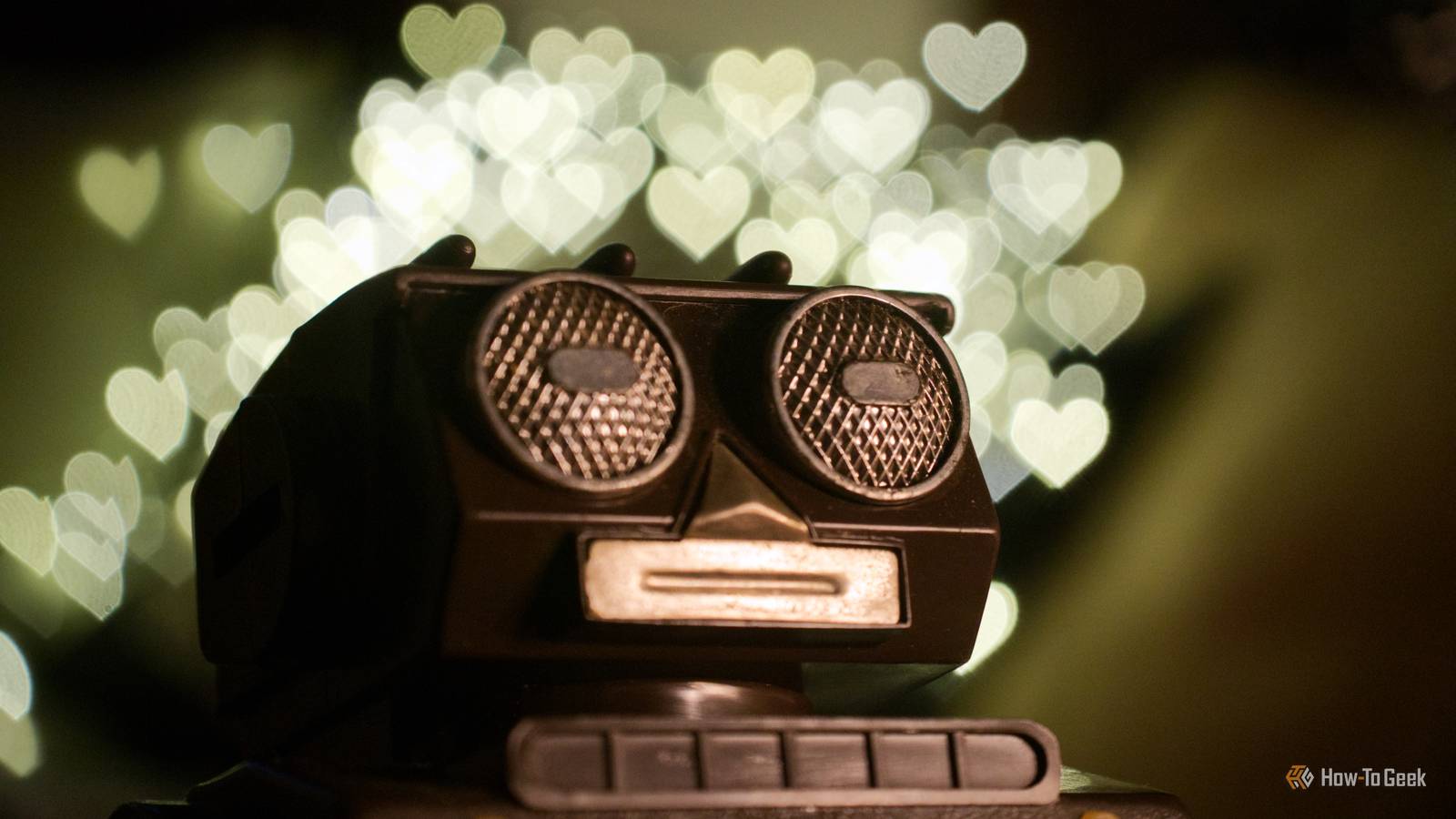
Knowing that I can pick up any old set of filters in a thrift store and adapt them to any lens for pennies is pretty empowering.I also made a set of bokeh shaping adapters, which I probably won’t get a ton of use out of until the holidays roll around.My favorite part of this was cutting the How-To Geek logo into a “blank” filter for “HTG” bokeh.
The possibilities are endless in terms of weird custom bokeh shapes.I added three colored keycaps to the mechanical keyboard I use all day to quickly find the function row keys that matter most to me: brightness up and down, play/pause, and mute.I’m now completely reliant on them, but I wouldn’t say no to upgrading them with a more interesting design in future.
Last weekend I printed a fur remover for cleaning the seemingly endless number of cat beds we have amassed.The week before I finally managed to free the bathroom aerator from the faucet with a tiny attachment that allowed me to descale it.I also have a soft spot for some of the sillier prints I’ve made.
This includes two Aztec death whistles for my partner (because one is never enough) and an “infinity” fidget cube that I play with all the time while writing and brainstorming.I also had fun making a custom PLA t-shirt print transfer which was a success (it was worth it for the experiment alone).Larger prints require a bit more consideration Don’t waste time and money I’m not trying to say that there isn’t value in larger 3D printing projects; in fact, I’ve been meaning to commit to a larger project for a while.
I have several, from Gridfinity’ing my office drawer to 3D printing a set of speakers and making a few extra guitar stands.Subscribe to the newsletter for smarter 3D-printing tips Get more from the newsletter: curated 3D-printing insights, practical project ideas, and hands-on tips to refine prints and cut material waste.Subscribe to access deeper coverage that helps you make better choices for your next print.
Get Updates By subscribing, you agree to receive newsletter and marketing emails, and accept our Terms of Use and Privacy Policy.You can unsubscribe anytime.The key to these projects is to make sure everything is set up correctly before you hit print—whether that’s print profile, infill density, support allocations, whether or not to use fuzzy skin, and other finishing techniques.
If it’s designed to be a tight fit with something specific, like a laptop stand, cutting a chunk out of the model and printing a tester is a good idea.Some objects might not fit on your print bed if you have a smaller printer, so you’ll need to either scale them down (if possible), find a printer-specific profile (MakerWorld is full of A1 mini profiles, as an example), or make some careful cuts and reassemble after printing.Bambu Lab X2D Combo The Bambu Lab X2D Combo is a mid-range 3D printer with dual-nozzle 3D printing for faster print speeds and better support printing.
The nozzle reaches 300°C while the actively-heated chamber hits 65°C which is perfect for engineering-grade filaments.The printer comes with Bambu Lab's signature ease of use, AI fail detection, and has a maximum print volume of 256 × 256 × 260 mm.The combo package comes with the AMS2 multi-material system and filament dryer.
$899 at Bambu Lab Expand Collapse Whether you stick with the small and cheap prints or commit to a larger project, everyone loves to save money on filament.
Read More