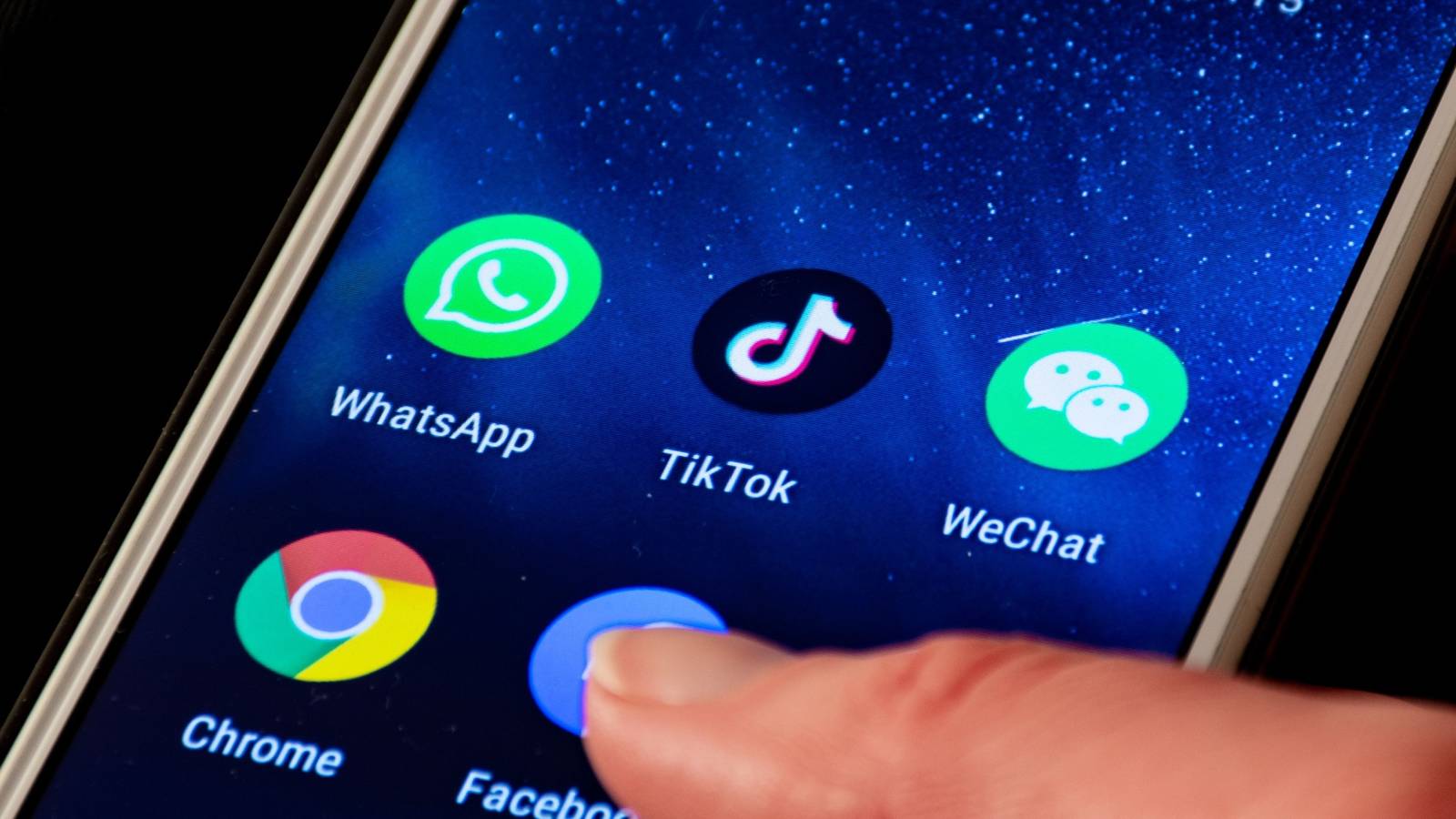
One of the biggest buzzwords I remember from the 90s was "convergence", where different types of technology would all come together in a single device.Our smartphones are convergent devices.You can replace your mail, music, movies, books, and more with just this one device that does everything.
By and large, I think convergence like this was a good thing.However, I don't think it works out quite as well when your software apps start to converge.What started out as a simple media player, or messaging app slowly adds more and more features.
The developers try to compete with everyone in every field.This results in apps that are good at nothing other than annoying me.Every app is now a platform It's not enough for an app to just do the thing that it became popular for.
The transaction used to be simple: you make an app that does a thing I need, and I will pay your for the app, or you'll earn ad-money.However, it seems that the minute a tool becomes popular, it has to start expanding.The developers have to keep bloating it, because for some reason quantity gets confused with quality.
Notion is a good example of this.This is a platform that many of my colleagues love, but there's no denying that it's a far cry from the focused note-taking app it once was.Now it's "The AI workspace that works for you." and there's just so much functionality built in that there's inherent overhead.
I'm not saying that Notion is bad because of this, clearly plenty of people love it the way it is today.I'm saying that there's a reason I just use the Notes app in macOS and iOS instead of something more fancy—I just need to take some notes.I don't need to manage a small business or collaborate with a team of people.
Basic tasks are buried under features The more features and bloat you add to an app, the harder it becomes to find and use the features at the core of that app.If you're old enough to remember , you'll know that this was a music player that really stripped things down to the essentials.You could bloat it yourself with plugins and poorly-designed skins, but out of the box it was a pure and focused piece of software.
Of course, these days streaming platforms are how most people listen to music, and in my case, I've been on the Spotify train for a few years now.Which means, sadly, that I've also seen this app strain under Spotify's ambition to be so much more than an app you use to play music.Every time I open Spotify now, it takes me way too long to get to my playlists and just start listening to music.
I'm not here for podcasts or audiobooks.I'm not here to have the latest music (probably paid promotions) shoved in my face.I just want to listen to the music I paid to hear.
Accounts, sync, and cloud are mandatory Perhaps the thing I hate most about modern apps is the almost universal need to be connected to the internet.I know for most people this isn't a practical problem, because staying permanently connected to the internet is easier than ever.Still, there's no reason for (as an example) a calculator app to need an internet connection to fulfill its basic functions.
I don't necessarily want to sync all my information to an app developer's cloud storage as the default.I almost never want to create an online account, and honestly, I'm usually happy to pay a small upfront fee for that privilege.Monetization distorts design You knew it was coming, but money is a key reason app design is so perverse these days.
For one thing, everything is either just a subscription, or there are a bunch of features paywalled behind a subscription that really shouldn't be.As a case in point, years ago I paid a once-off price to own a copy of Songsterr—a guitar tablature app.At some point, the developer decided to move from a once-off payment model to a subscription, but people who had bought the app were assured that original agreement would be honored.
Which is why you see this message when you try to manage your subscription.That seems fine, except half the time I try to use the app it tells me I need to subscribe and fails to recognize that I own a lifetime license for this version of the app.This is frustrating enough, that I ended up paying the $2 "legacy" subscription tier anyway, because repeatedly force-closing the app until it recognizes my past purchase is not how I want to spend the first five minutes of a guitar practice session.
In the end, every app I open these days tries to keep me there by jangling keys at me from every direction, and shaking its begging bowl.All I want is to pay for the thing I need it to do, for it to do that thing, and then move on with my life.However, it seems the invisible hand of the market has other ideas.
Subscribe to the newsletter for smarter app choices Prefer uncluttered tools? Subscribe to the newsletter for clear, no-nonsense coverage of app design, privacy, and monetization—so you can spot bloat, choose simpler apps, and make smarter buying decisions about the software you let into your life.Subscribe By subscribing, you agree to receive newsletter and marketing emails, and accept Valnet’s Terms of Use and Privacy Policy.You can unsubscribe anytime.
That's bad news for you and me, because it means a lack of control and agency when it comes to the software we use.As app store operators start to clamp down on side-loading, and as we become completely dependent on those storefronts to serve us the apps we use, the only choice we'll have is to accept the bloat—and pay for it too.
Read More