Having a smart home shouldn’t mean staring at sensors and flashing lights in every room.Some of the best things you can put in a smart home are inconspicuous and sometimes invisible.Best of all, you can go a long way towards hiding them with a few clever tricks.
LEDs in the plant pot A cheap ESPHome project ESPHome is a framework for building your own smart home gadgets using the ESP32 and similar microcontrollers.Once you’ve flashed an ESP32 with ESPHome, you can use simple YAML code to tell it what to do.This ranges from controlling your Home Assistant home with a touchscreen device like the Cheap Yellow Display to receiving input based on sensor conditions.
One of the simplest ideas involves wiring up a few LEDs and using ESPHome to control them based on smart home criteria of your choosing.You can then hide the board somewhere inconspicuous, like in a plant pot, to get at-a-glance information.If you want something more visible, a WLED-controlled LED strip would work too.
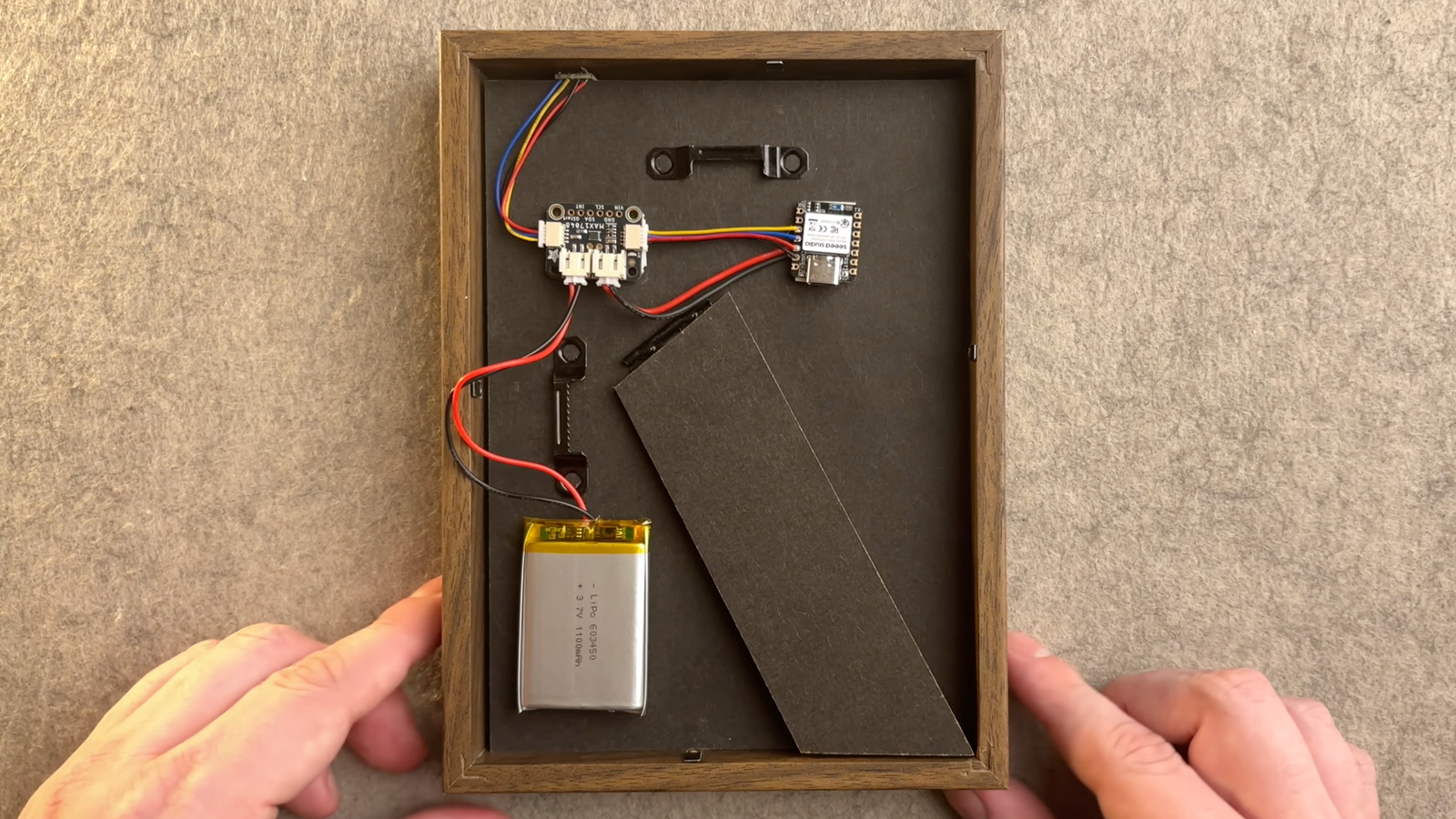
You could use a flashing red light to indicate that your garage door is open, a solid blue light when the air conditioning is on, an orange light to indicate your front door is unlocked, or a far more complex pattern of flashing colors to devise your own personal notification system.Repurposed photo frames The perfect place to hide humidity and temperature sensors One of my favorite DIY sensor projects involves building a temperature and humidity sensor into an old IKEA photo frame, complete with a 1,100mAh battery and charging circuit.Rather than an ESP32 microcontroller, this particular project uses an nRF52840 instead on account of its superior power efficiency.
You can use photo frames and even hanging pictures on the wall to hide presence sensors, too.mmWave sensors use radar, which can penetrate paper, wood, and plaster to detect ongoing presence.You can use these to keep the lights on while you’re still around, or control your HVAC system so that you’re only heating and cooling rooms that people are actually using.
Bed presence sensors (and other pressure-activated tech) Trigger morning routines and more A bed presence sensor is, as the name suggests, a sensor that sits underneath your mattress and detects your presence in bed.It’s essentially a pressure-activated mat, connected to a microcontroller like the ESP32 running something like ESPHome.You can buy bed presence sensors that are ready to go, or you can build your own.
These sensors don’t only have to stay in your bed; they work anywhere you might want to use pressure sensitivity to detect presence.You could put them under your sofa cushions to turn on the TV and dim the lights.I use a fatigue mat on the floor at my standing desk, so this could be a great way to activate work scenes or even remind me to take a break.
Attractive and functional shells for a smart speaker Hide your Echo, Nest, or HomePod Close If you use smart speakers and hubs in your home, you might be interested in making them look better or feel a little more functional.One such project is Zion Brock’s vintage radio, which exists in two versions: a “functional” radio that plays music from a microSD card, and a shell for a variety of smart speakers (including the Echo Dot, Google Nest mini, and HomePod mini).Or you could go one better and follow talented How-To Geek writer Joe Fedewa’s lead.
Joe designed his own 3D-printed enclosure to hold a Google Nest mini and Galaxy Z Flip as he was frustrated at the way Google’s own Nest Hub wasted the potential of the front screen.If nothing more, it’s a way to give a modern smart speaker an old-timey look and feel.Relays in the walls An affordable smart home upgrade for “dumb” tech You can make even so-called “dumb” devices smart using simple relays, hidden in your walls.
These are essentially connected switches that power devices on and off, regardless of what state the button that would normally control them is in.You can do this with a product like the Shelly 1 for around $25 (plus however much it costs you for the install).For example, two great bathroom upgrades involve adding relays for your extractor fan and heated towel rail.
Since the relay lives in the wall, the fan and rail look the same as before, except now you can automate the fan based on the room’s humidity and have the towel rail automatically switch itself on and off on a schedule.Recessed contact sensors and magnets How do they work? Contact sensors rely on Hall effect sensors, which detect changes in the electromagnetic field.When the “pull” of a magnet is near the sensor, the sensor is considered “closed.” When it moves away, the state changes to “open.” These sensors come in two parts: a chunkier receiver and a thinner magnet.
You don’t necessarily need to use the same magnets that came with your sensor for the sensor to work.You should test this first, but you can get away with recessing the sensors into a door frame (for example) and using thinner magnets to trigger it.As long as you can access the sensor to change the batteries, you’re good.
If you can’t avoid having the larger sensor on display, one Home Assistant user has created a guide to painting them.Hide routers and smart home servers behind books Not just any books There are some items that just don’t integrate neatly into your home.Sometimes, there’s only one place your modem or router can go because that’s where the internet connection enters your home.
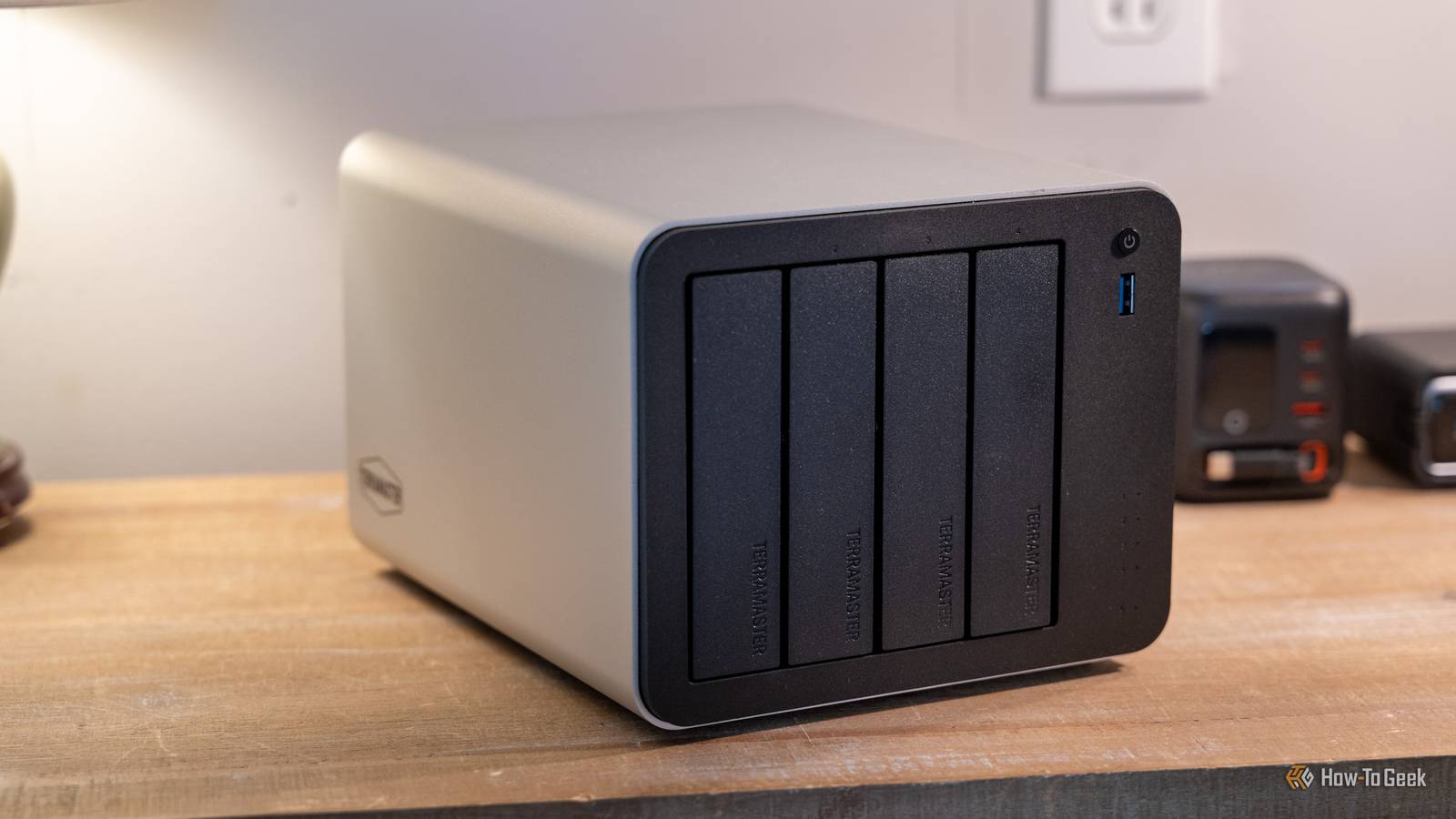
The same is true of your server, which might have to hang out in plain sight on account of your home’s design.While you can rectify a lot of these bad design decisions with enough Ethernet cable, a cheaper and easier fix is to use something like the CovoBox to hide unsightly electronics.You don’t even necessarily need to buy one of these; if you’re feeling handy, you could grab some books nobody will miss from a thrift store and some wood offcuts to make your own.
Bonus points if you’re able to integrate a hidden security camera into your setup (just make sure the rest of your family knows it’s there and is comfortable with it).I’ll go out of my way to hide most sensors, but there’s one that I don’t mess with on account of it being such an important one to have in your home.
Read More