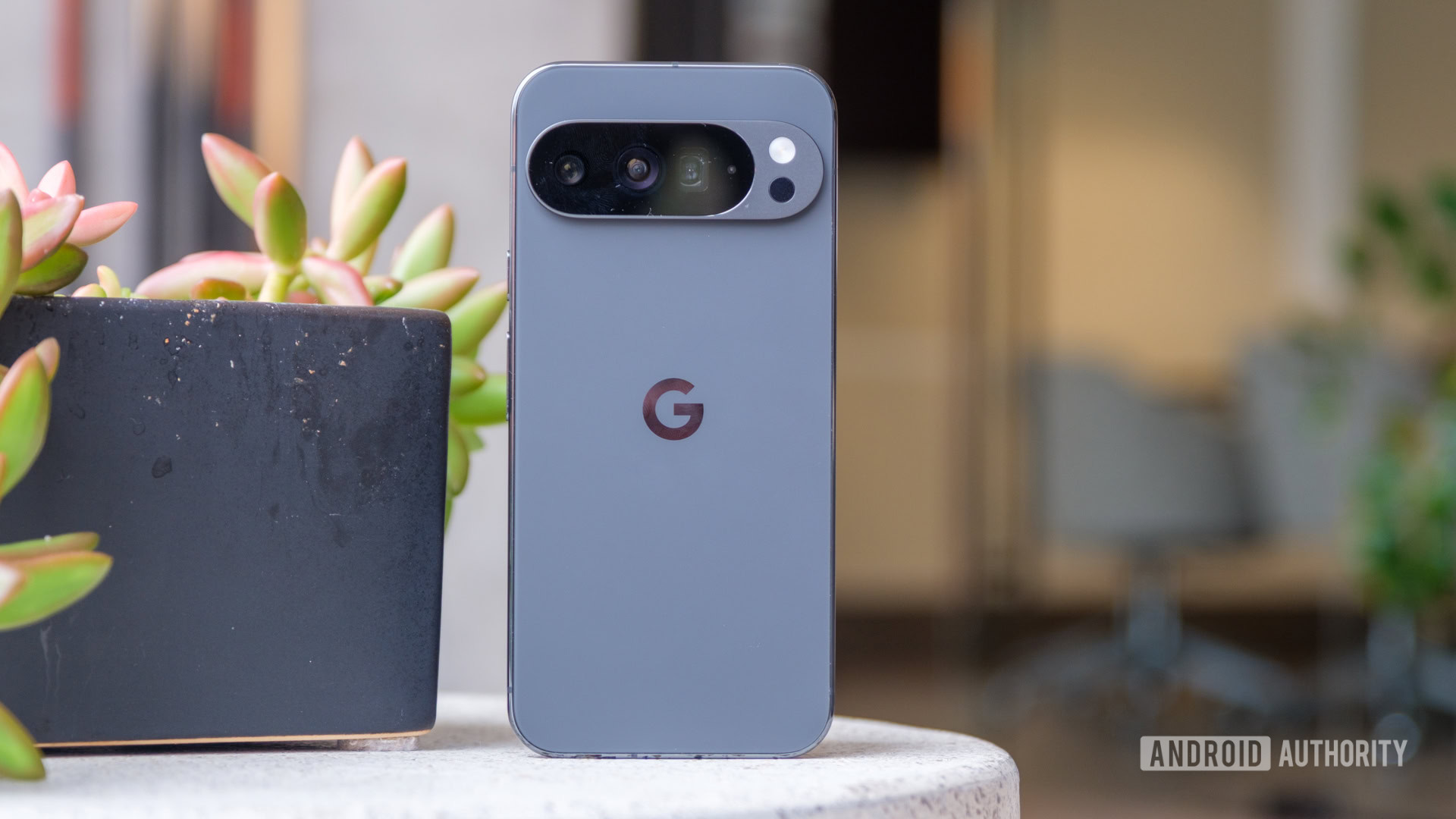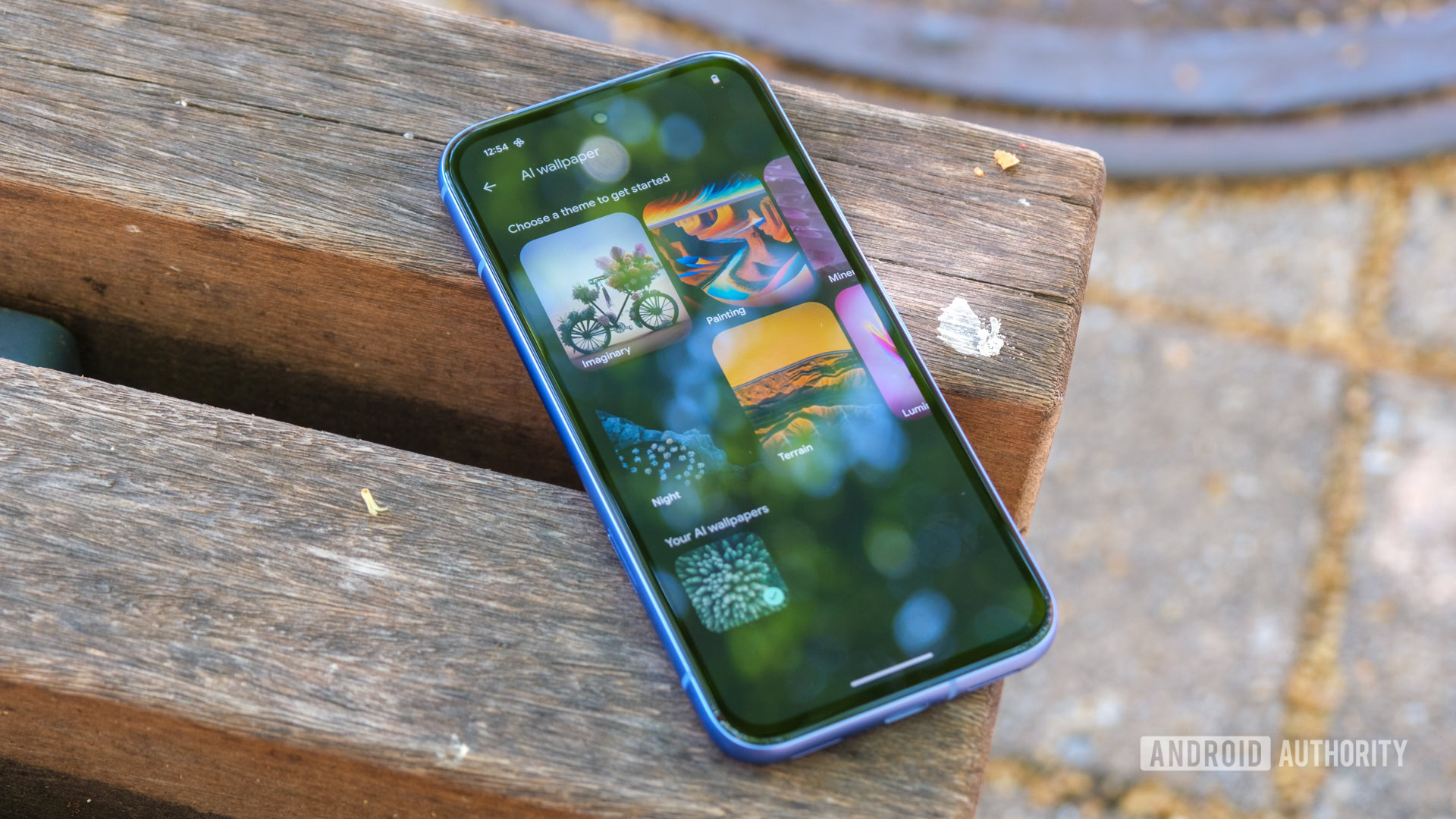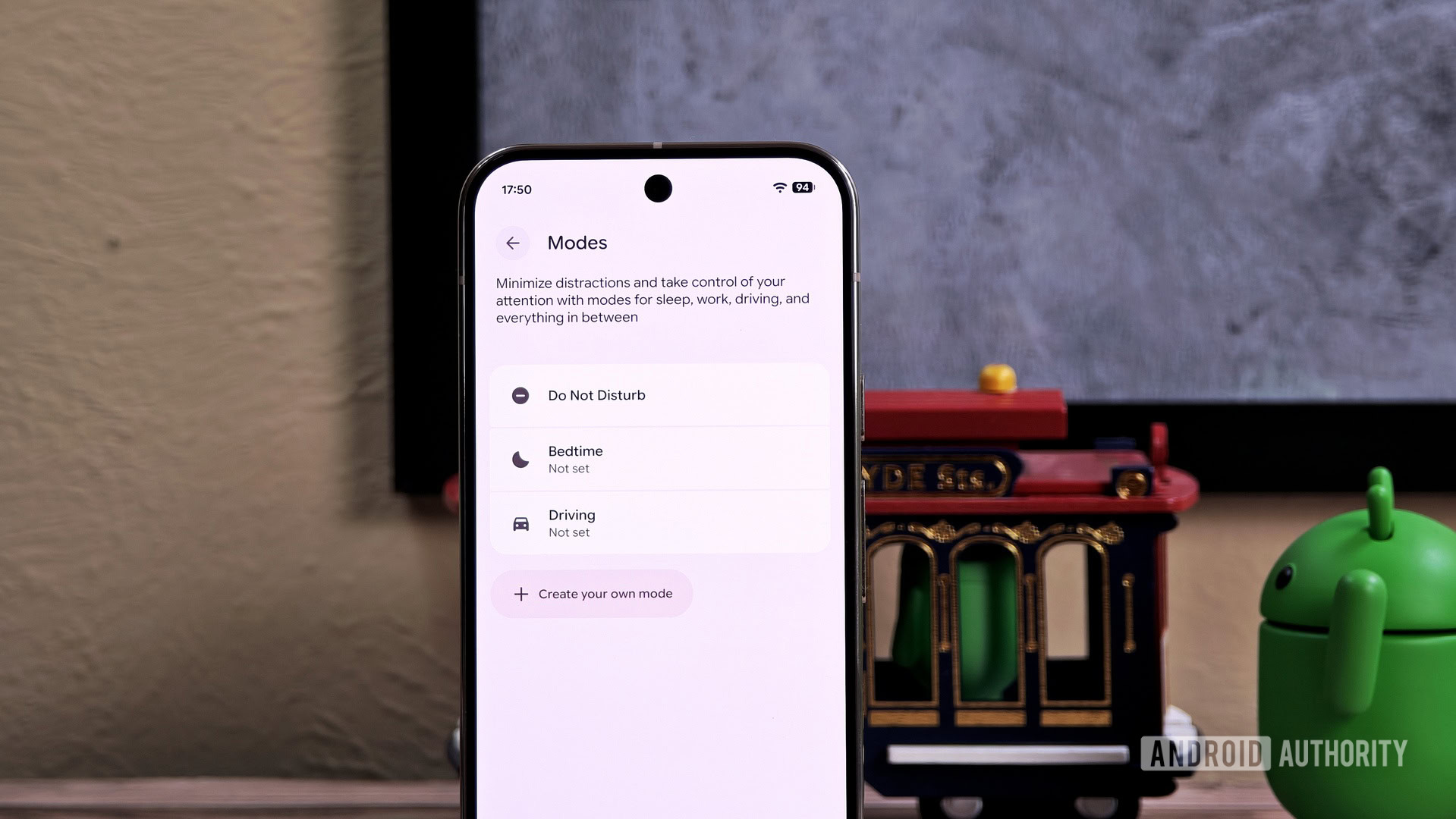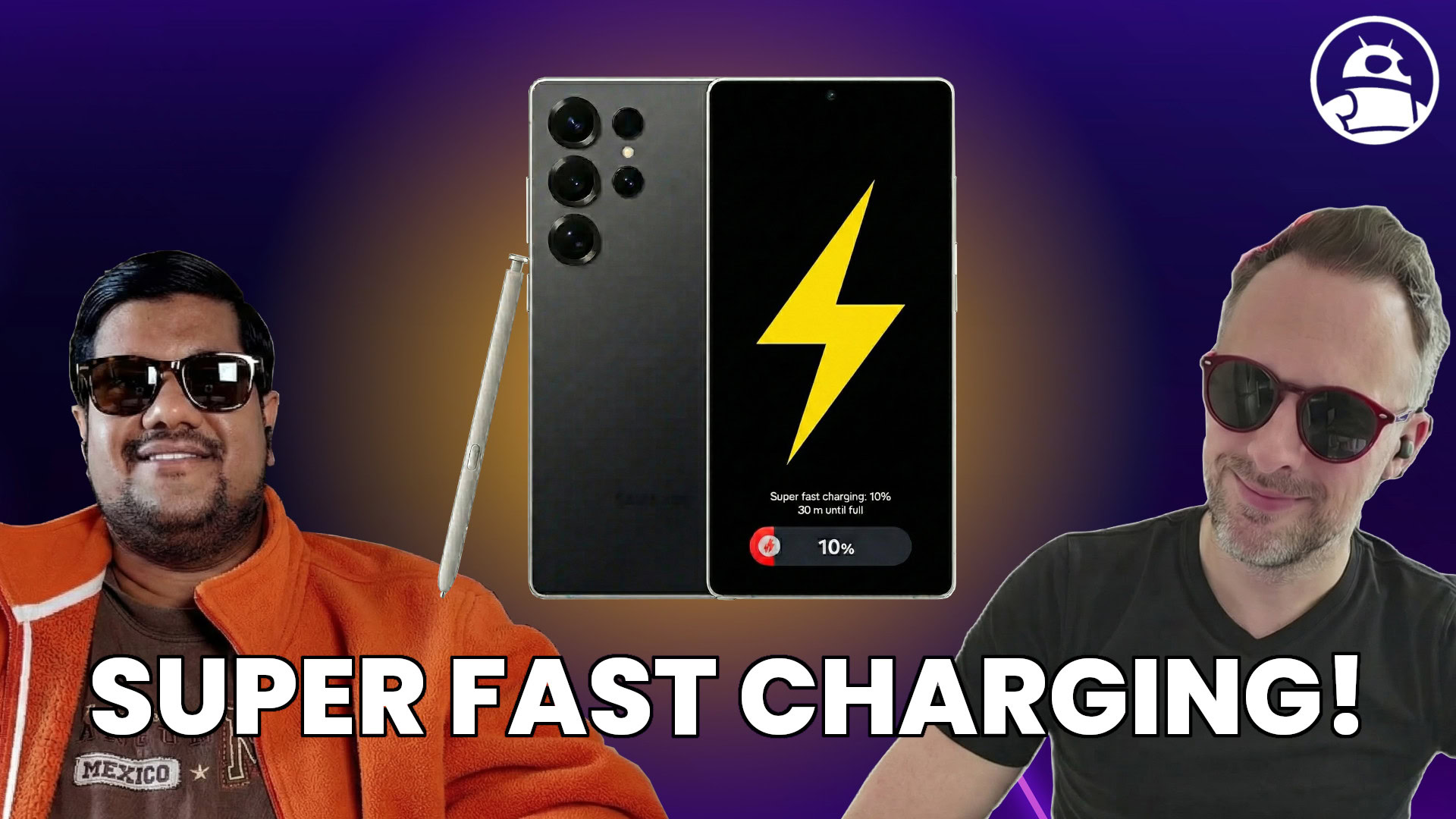
This week, Mishaal Rahman and C.Scott Brown discuss the leaks suggesting the Samsung Galaxy S26 will get a big boost to wired and wireless charging speeds.They also break down Google’s new Android release schedule following the launch of Android 16 QPR2, and analyze the “Aluminium OS” project that aims to bring Android to PCs.
The Authority Insights Podcast is a new weekly show from the Android Authority team hosted by Mishaal Rahman and C.Scott Brown.In each episode, we’ll break down the latest exclusive reports, app teardowns, and leaks from the Android Authority team.We don’t just spend time recapping stories; we also dive deeper into them, providing our own original analysis and sometimes new information not contained in our original articles — though you can find those too on our website right here.
Want even more?We’re also launching the Authority Insights Newsletter, where we’ll highlight all our top discoveries and industry-first stories of the week, so you don’t have to refresh our feed every day! It’s a weekly newsletter written by Mishaal, and even better: each edition will exclusively reveal some new facet of Android that hasn’t been reported on anywhere else yet! Subscribe here!Subscribe YouTube YouTube Music Spotify Pocket Casts Apple Podcasts Amazon Music/Audible iHeartRadio Deezer RSS Timecodes 00:00 – Intro 01:29 – Get ready for Super Fast Charging 3.0: One UI 8.5 code teases speed upgrade Hidden code reveals Samsung phones are in for a major wireless charging upgrade 10:57 – Android just entered a new era of frequent updates with the latest Android 16 release Google’s second big Android 16 update is rolling out for Pixel phones: Here’s EVERYTHING new! 24:28 – Google’s new ‘Aluminium OS’ project brings Android to PC: Here’s what we know 42:30 – Outro Transcript 00:00 – Mishaal Rahman: Samsung may finally give its next flagship Galaxy S26 the charging speed upgrade we’ve always wanted.00:05 – C.Scott Brown: And Android is entering a new era of more frequent feature updates, but will your phone actually get them?00:12 – Mishaal Rahman: I’m Mishaal Rahman.00:14 – C.Scott Brown: And I’m C.
Scott Brown and this is the Authority Insights Podcast where we break down the latest news and leaks surrounding the Android operating system.00:23 – Mishaal Rahman: So Scott, you and I, we’re both phone reviewers.We have had access to a ton of different Chinese phones, but for the longest time they’ve always blown Samsung, Apple, and Google out of the water when it comes to charging speeds.But that gap may soon finally start be closing thanks to a charging speed upgrade that Samsung is working on for its next flagship devices.00:43 – C.
Scott Brown: And speaking of the next flagship devices from Samsung, the Galaxy S26 is expected to ship with Samsung’s latest One UI 8.5 out of the box, which we’re expecting will be based on Android 16 QPR2.Google just released QPR2 this week and with it, we’ve entered a new era of frequent Android updates or at least more frequent than they’ve been in the past.This could be a big deal. But you know what else is a big deal? Android coming to PCs.
Well, eventually coming to PCs.There are still a lot of unanswered questions about Google’s Android on PC operating system, but we finally know the answers to some of them, including its potential name, which is kind of confusing, but I’m excited about it.01:29 – Mishaal Rahman: Right.But before we move on to the Android PC news and the QPR2 stuff, let’s circle back to the Samsung charging news because it’s quite a big deal because for the longest time, Samsung phones have been stuck to relatively slow charging speeds topping out at 45W for the Ultra model for the past couple of years now and 15W wireless charging speeds for a lot of their devices.
But now thanks to an analysis of leaked One UI 8.5 software from our team at Android Authority, we’ve discovered evidence that Samsung is working on a new Super Fast Charging 3.0 update, potentially for the Galaxy S26 Ultra that will enable the phone’s rumored 60W wired charging speeds.And simultaneously, they’re also working on a new Super Fast Wireless charging upgrade presumably also for the Galaxy S26 Ultra that will enable 25W wireless charging speeds. So Scott, Samsung for the longest time has been calling their charging Super Fast Charging.But in light of how fast competitor devices can reach in terms of when you use their proprietary chargers, it kind of feels like it’s misleading or they’re just kind of jumping the gun a bit calling it Super Fast Charging.
How do you feel about these rumored upgrades? Are they a big deal or is it just a nothingburger?02:53 – C.Scott Brown: I think it’s a big deal just in the sense that this is a big deal for the United States.Chinese manufacturers, like you said at the top, have been making fast charging phones for a long time now.
And 60W is not nothing.It’s kind of insulting for Samsung to be like Super Fast Charging and still not even close to what OnePlus has been offering for the past five years.That’s a little bizarre.
But still, Samsung doing this is going to push everyone else to do this in the United States.Google and especially Apple will no longer be able to just be like, oh, no one does that in the United States so therefore it’s not a big deal, nobody wants this.Samsung’s going to do it, people are going to talk about it.
It’s going to be a big deal.If Samsung is smart, they’re going to make it a huge part of their marketing campaign and that’s going to push all the other companies to follow suit.So by Samsung taking this step it could be that the days of getting a smartphone for $800 or more and getting whatever, 25W charging speeds or whatever it was a few years ago, those days might be over thanks to Samsung taking this leap.04:05 – Mishaal Rahman: Why do you think they’ve waited so long to do this? Because clearly the technology has been there for a long time now, but why 2025 is the year when we’re finally seeing manufacturers break the 45W wire charging speed?04:20 – C.
Scott Brown: Well for Samsung, it all comes back down to the Galaxy Note 7.The exploding Galaxy Note 7 was the blackest mark on Samsung’s most recent history.Certainly its history of smartphones.
Even the Galaxy Fold with the display peeling off, even that wasn’t nearly as detrimental to Samsung’s reputation as the Note 7.People still in comments on YouTube videos and stuff like that, they’ll still reference the explosions of those phones.So yeah, I totally understand why Samsung would be trepidatious about pushing things too far when it comes to charging speeds. Apple and Google though have no excuse.
Who knows what’s going on with them.But with Samsung, it makes sense that they’ve been so cautious.But the other part of your question, why now? I think Samsung is starting to realize that it can’t just sit back anymore.
I think for the past maybe 10 years, Samsung has kind of rested on the idea that we’re the number one smartphone manufacturer globally, even bigger than Apple, and we’re going to stay that way.So we don’t have to do anything.We can just coast.
And the past three, four years of coasting have really showed that Samsung can’t do that anymore.Apple is gobbling up market share not only here in the United States but globally now and even Google is starting to take market share away from Samsung at least here in the United States.So Samsung’s like, we’ve got to make things different, we’ve got to start leading and being more innovative.
And yeah, I think that this charging speed thing is part of that.That’s my theory anyway who actually knows what the real reason is but that’s what I would think.06:09 – Mishaal Rahman: Although it’s also an opportunity for them to make more money because as we all know they stopped shipping the charger in the box a couple of years ago and very likely your existing Samsung super fast charger won’t be capable of delivering the maximum 60W speed that the new devices will support.So you might have to go out and buy a new charger with the new device.
I mean usually Samsung is pretty good about offering these discounted bundles where if you buy the preorder the device you get an accessory for free or heavily discounted so probably you’ll be able to get the 60W charger for a very low price if you preorder the new device but we don’t know for sure but yeah it’s probably going to be another opportunity for them to bundle the product with the phone and make some additional revenue from selling these chargers.Maybe who knows you’ll be able to buy a charger that works with the laptop but also delivers 60W charging speeds for the phone as well.06:59 – C.Scott Brown: Yeah.
And another thing that is important to mention here is the increase in the wireless charging speeds.And that could be because the phone supports Qi2 charging with the magnets in the back.We don’t know that for certain yet, it’s all vague, but that increase in wireless charging speed unless there’s a proprietary system involved, which is similar to what OnePlus does.
OnePlus offers 50W wireless charging speeds but in order to get that you have to buy a specific wireless charger from OnePlus.But Samsung offering those faster speeds could be related to magnets being on the back of the phone.And at this point, I mean if Samsung launches a smartphone in 2026 and it doesn’t have magnets built in the back of the phone I mean like what are you even doing Samsung? Come on.
Google has proven with the Pixel 10 series, Google has proven that this is something people want.Obviously we already knew people wanted it because they’ve been using it on iPhone for four years now.And people love it.
They love snapping things on the back of their phone.So it’s like if Samsung pushes the Galaxy S26 series and there’s no magnets, I don’t know what I’ll just be like I’ll call Samsung myself and be like what are you doing?08:15 – Mishaal Rahman: Mr.Roh, pick up the dang phone! But yeah the 25W charging speed is interesting because I wonder if they’re going to do the same thing that Google did where only one of the models like their highest end XL model has the fastest Qi 2.2 charging speeds because for those who don’t know the Pixel 10 across the board supports Qi2 but only the Pixel 10 Pro XL supports the fastest 25W wireless charging speeds that are available through the Qi 2.2 standard.
So we don’t know if Samsung is going to be doing the same thing segmenting it across the lineup but in the past that’s exactly what they’ve done.They’ve typically limited the fastest charging speeds to their Ultra lineup.So there’s a good likelihood that only the Galaxy S26 Ultra will get both the 60W wire charging and the 25W wireless charging speeds but we hope that’s not the case.
We hope at the very least that they bring Qi2 across the lineup because otherwise it will just be a huge mess if it’s only one device that has access to all the new Qi2 accessories.09:15 – C.Scott Brown: Yeah no I suspect they’re probably going to do what Google did.They’re going to be like okay you get the fast charging speeds with the Ultra and then you get just typical magnets with the rest of them.
Which I’m fine with.The Galaxy S25 or not specifically the 25 but the Ultra phones are always the best selling phones in the Galaxy S lineup so I feel like most people would be okay with the idea that that’s reserved for the people who are willing to spend all that money.But yeah as long as there are magnets.
If there’s just magnets on the Galaxy S26 Ultra and then none for the other ones that’ll be a mistake.09:50 – Mishaal Rahman: Yeah huge bummer.Hopefully we find out more soon because next month at the beginning of next month is CES and Samsung typically has some kind of teaser or announcement related to their upcoming flagship S lineup at their CES launch event.They won’t show off the phone at CES but they probably will mention something about the S26 lineup.
But who knows this year might be different because we just saw the other day actually I guess a couple of days ago for those of you listening on Saturday Samsung unveiled the trifold and there are rumors that they might show it off at CES so maybe they might have something more to show us than just a teaser for the S lineup.Maybe they have something more substantial to show us but we’ll still have to wait a few weeks to find out because CES is not until the beginning of January.10:37 – C.Scott Brown: Yeah and Samsung definitely won’t mix the two events.
Samsung wants its own event with the Galaxy S26 the primary focus and everything so there’s not going to be too much at CES but you’re right there could be teasers there could be information leaked not leaked but little minor things announced to keep the momentum going.So we’ll see.10:57 – Mishaal Rahman: Right.And speaking of keeping the momentum going, Google recently overhauled the Android release schedule so that it can keep the momentum of Android updates going more quickly.
So last year Google actually announced that they are overhauling the Android release schedule.Instead of having one release in Q3 or Q4 of the year between August and October, Google is now releasing the major version of Android earlier in Q2.So Android 16 released in June for that reason.
And they are also mixing it with another secondary minor release that is happening in Q4 of the year.Actually just the other day Google released Android 16 QPR2 and that is the minor release of Android that Google is talking about. So basically in 2025 there were two releases of Android.There was the major release Android 16 in June, then the minor release Android 16 QPR2 in Q4 in December.
And this is a big deal because for the longest time if you’re a developer and you wanted to create an application that used any of the new APIs or features that are available to developers, you would have to wait a year for Google to release the next version of Android because Google would only release one version of Android a year that had new APIs and features for developers.But now there are two versions.You have the major release in June and you have the minor release in December. And beyond making features APIs and developer features available to developers more readily there’s also another benefit and it’s the hardware alignment.
So in years past a lot of OEMs would have to wait to launch their flagship devices later in the year if they wanted to have access to the latest version of Android.So for example the flagship Galaxy Z Fold and the Flip lineup, those typically happened in early summer.And because of that because those launches predated the launch of the major Android release they would always ship with last year’s release instead of the current year release.
And that kind of made them seem a little outdated because the major release would happen shortly after, they wouldn’t get the update for many months later.But by shifting the major release earlier in the year, Google is now able to deliver these major releases more quickly to devices that are launching earlier in the year. So we saw with the Pixel 10, it launched with Android 16 out of the box.Same with the Galaxy Z Flip 7 and the Z Fold 7.
Those devices would have launched with Android 15 if Google had not shifted the Android 16 release forward a couple of months.So this is a big deal and the Android 16 QPR2 release that Google just dropped on us this week is the first release that Google says is born from this new accelerated release schedule.So Scott, I wanted to hear your thoughts on this new accelerated release schedule.
Do you think this is a good idea for Google to do? Is this something that will actually solve a real problem with Android updates?13:51 – C.Scott Brown: I can’t I mean I don’t really have much of a hands-on with with what’s going on in the world of developers so I do know what you described as a pain point where it’s like you know Google says like oh we’re going to do all this stuff and then it’s a long time before developers actually can access all these things so there might be a solution to a problem there but I can’t really speak much to it.What I can say though is what you were referencing about the phone launches not having the latest version of Android.
It wasn’t that long ago but people may have forgotten that the Pixel 9 launched with the previous version of Android because of this timeline problem.And that was weird like for the whole idea of the Pixel line was that it would be launched with the very freshest version of Android.And for the 9 series to launch without it was bizarre.
Obviously it was like what a month and a half before it got it but still it was weird. So yeah I think that this whole moving things forward a little bit is going to be helpful not only for Google’s Pixel line but also for Samsung and for all the other companies that want to have that newest version of Android.It’s also great for consumers because most Android manufacturers they determine the length of updates based on not the year but the version.So for example if you were to buy a phone today that had Android 15 but then the next day got Android 16, Android 15 would be what they would assume.
So that would be one upgrade you just got and if all they’re promising is four upgrades then you’ve already lost one and you’ve only had the phone for a day.So that’s obviously not great and this helps solve that.This helps it make it so that you get a phone, it’s going to have a very recent version of Android out of the box and then you’re going to be able to hold on to that phone longer and make sure that it’s getting all the updates and getting all the freshest features and all that.
So I think that for consumers this is great.The only thing that I would complain about is is the name.QPR2 like 99% of people are going to have no idea what that means.
I think that Google needs to have a little branding powwow about what to do about that but other than that I’m all for it.I think this is great news.16:08 – Mishaal Rahman: Oh on that point they haven’t officially named it QPR2.That’s what it’s called internally and that’s what it’s called when you enroll in the beta program but like in their blog post they haven’t called it Android 16 QPR2.
They just call it Android 16.Because technically it is like it’s still Android 16.But yeah that makes it confusing because like how do you know which version how does you as a user know which version of Android 16 you’re running.
If you’re a Pixel user you’re always running the latest version of Android 16.That’s just how it is.But if you’re running another device you know very likely you’re only ever going to get the initial version of Android 16 and not Android 16 QPR1 or QPR2.
There are rumors as we mentioned at the top of the show that Samsung’s One UI 8.5 which the Galaxy S26 may launch with will be based on Android 16 QPR2 so that will probably be one of the few devices to get QPR2 but other than that it’s a toss-up whether or not a device will get QPR2.Like Google said they’re working on bringing they’re working with their Android partners to bring QPR2 to their devices but still it’s up to them.It’s not up to Google whether or not they’ll actually roll out these updates.
So who knows.17:17 – C.Scott Brown: I feel like a .1 is the most obvious solution there.Android 16, Android 16.1. 17:25 – Mishaal Rahman: Or like 12L.
You know we had the L back then.Like something that clearly differentiates it from the base number. 17:30 – C.Scott Brown: Yeah I think that that’s a better way of doing it because yeah like even in the world of Pixels like what if you don’t upgrade? Like what if you just reject that upgrade? You’re running Android 16 and you’re on the phone with Google support or whatever and you say I’m running Android 16.
They’re going to be like okay well I assume that you’re running QPR2 but what if you’re not? Like that doesn’t make any sense.So yeah I feel like there’s a branding thing that they need to work on there but this is Google’s been moving fast.This is a little inside baseball but Mishaal and I were in communication with Google before this announcement was made and Google told us a bunch of stuff and then told us oh actually we’re not going to launch those things and they took a bunch of things away.
Not going to say what they were because I don’t want to get in trouble but the core idea was that it felt very much like we’re rushing this out and we’re we’re sort of ready for it but also we’re going to make a bunch of mistakes and we’re going to retract a bunch of things so yeah I think that if Google is going to move forward with this it’s going to have to be a little bit more organized about things and yeah the branding is a problem.18:40 – Mishaal Rahman: I have a feeling that that actually what you just talked about was probably because of Thanksgiving holiday because I think Googlers they get the entire Thanksgiving week off and they all came back to work on Monday and they like reading over finalizing the press kit and they’re like oh shoot we probably didn’t mean to launch this or they realized some error with it at the last minute and they had to pull it.Yeah that was quite a mess.19:00 – C.Scott Brown: It was a mess.
Like I said we’re not going to tell you what features were taken away but yeah it was a bit of a mess so we’ll see how this goes next year.Maybe by next year they’ll have this they’ll be like okay we got this now we’ve smoothed this out.19:16 – Mishaal Rahman: But if you do want to find out what features are available in Android 16 QPR2 I have this massive article on Android Authority over 4000 words that covers everything new that is introduced with the platform update so there’s a lot of things to read I would highly recommend going over it.It would take me 20 plus minutes to actually explain everything on this podcast so I’m just going to leave a link in the show notes to read this article.
But before we move on I did want to ask you.19:42 – C.Scott Brown: Just before you I definitely want to point out there’s some big things in there.There’s expanded dark mode that makes dark mode go across all apps even if they don’t have a dark mode, there’s more icon customizations, there’s Material theming across icons even if they don’t support Material theming.
There’s a lot of stuff so if you’re at all interested in what’s going on with the newest Android version, definitely read Mishaal’s article because it’s great and it’s very thorough.20:07 – Mishaal Rahman: Right.Before we move on though I did want to pose an interesting thought point.So you know the two reasons that Google cited for moving forward the Android release schedule was to better align it with hardware launches and also introduce more opportunities for Google to bring APIs to developers.
But it’s kind of interesting how there might be a hidden potential third point.So iOS releases from what I can tell they happen every year at WWDC in June but they also don’t get released until September.Three months later.
Which just happens to align up with the release cadence of Android updates.So now we have Android 16 the main version gets announced and released in June but the meat of the upgrade like the biggest new features don’t really get pushed out until September do you think this is just a coincidence or do you think Google is intentionally trying to have like something big to announce in June alongside iOS but then something bigger to announce in September when iOS actually rolls out.Like do you think this is coincidence with these release schedules lining up or is Google intentionally doing it so you have something to compete with iOS in June and something to compete with iOS when it actually rolls out in September.21:27 – C.
Scott Brown: I mean yeah that’s a solid theory.It clearly Google Samsung pretty much everybody is always looking to Apple and being like what is Apple doing and should we emulate it and if we should how are we going to do it.So yeah Google’s sort of looking towards Apple’s cadence and being like this is smart the way they’re doing it is better than us let’s try and slowly get it to be that way.
That’s certainly possible.The only snag in there would be IO which happens in May and IO as far as I’m concerned blows anything Apple does out of the water especially now in what we’re calling the Gemini era.I feel like IO is a bigger event that more people are focused on.
WWDC is much more developer focused and it’s more for the nerdy people whereas I feel like IO has some crossover to people who are just kind of like technology enthusiasts but not exactly super geeky about it.So yeah so I don’t know like how would that work so you’d have IO and then you’d have an Android 16 or 17 announcement in June and then you’d have the actual launch it’d be weird but yeah it’s certainly it’s a solid theory.22:33 – Mishaal Rahman: Another thing I wanted to ask you though is do you think these more frequent releases will kind of kill the hype around Android updates in general? Because if you have so many updates in a year people are going to start caring less and less about each individual update.22:47 – C.Scott Brown: I don’t think so.
Working at Android Authority for over six years almost seven years no one has ever on Android Authority been like man I’ve gotten too many updates this year.They just don’t.They just want more updates.
They want more features.They really into updates.And I’m in updates too.
Like I like getting the new features and bug fixes and things that make my phone work better smoother faster whatever.So yeah I don’t think so I think that there will always be excitement for updates.Maybe if updates came like every week then yeah people would just be like oh I skipped this update because whatever I’ll just get the one next week.
But yeah a few times a year I think is plenty.They’ll be into it.I don’t think anyone’s going to get sick of updates.23:40 – Mishaal Rahman: And good news for those users because from what I can tell Google does plan on sticking to this twice a year release cadence.
They were kind of cagey when I initially asked them last year like oh is this something you’re only doing for 2025 or are you going to be doing it for 2026 and beyond.But from what I can tell it does seem like it’s going to be something they’re going to be doing every year from now on.Like they’re going to have a major release in Q2 around June and then a minor release in Q4 around December.
It seems like this is something that they’re actually going to be sticking to.I think probably they were just cagey when I asked them because they didn’t want a hard commit to something like this for many years but it does seem like that this is what they plan to do.24:15 – C.Scott Brown: Yeah that’s a classic you know not just a Google maneuver but just a corporate maneuver.
Just like don’t commit because if you commit then you commit and then we have to go back on what we say so just be cagey.So yeah.24:28 – Mishaal Rahman: Well speaking of commitments it is a little bit too late for Google to go back on something it has said because it has multiple times dropped teasers and confirmations that it is working on bringing Android to PCs.So back in I think it was like June or it was a couple of months ago Google did an interview with TechRadar and just out of the blue Sameer Samat’s like oh yeah we’re bringing Android to PCs.
And it was like the top line and like the third paragraph of the article in the interview and like nobody noticed it until like a week later which is just absolutely bizarre reporting right there. But then at Snapdragon Summit, Qualcomm and Google went on stage and they said yeah we’re working on bringing Android to PCs.So that was like a more official thing.It is actually happening.
Since then we’ve been kind of wondering where exactly are they with this project.Are they going to do it like ChromeOS were they focused mostly on budget and low end hardware and mid-range devices or are they going to try to tackle Windows and macOS in the premium market segment.And also what are they actually going to be calling this operating system? Is it just going to be Android on PCs or something else? Are they going to call it ChromeOS or something else? So we don’t have all the answers yet but we finally did find some additional information that could lead us down the path to answering these questions.
And this is all based on a couple of job listing and some bug reports that we discovered online last week.So we discovered that Google is working on a project called Aluminium OS and this is potentially the code name for Google’s Android on PC project.So we confirmed this by looking at a job listing that explicitly mentioned that Google is working on an operating system called Aluminium that is built with artificial intelligence at its core and that Aluminium is Android based.
So we also discovered that Google is working on a portfolio of Aluminium OS devices that range from the entry level, mass premium and the premium level so that you know it’ll encompass many different price segments instead of just the entry level.So this is a change in strategy from what we had with ChromeOS which was initially primarily only focused on low end devices.There were a couple of high end devices I think the Chromebook Pixel was such a high end device I think it retailed for over $1000 and then there were a couple of Chromebook Plus branded devices that are also in the premium range but it’s never really been a focus for ChromeOS and they’ve never really seen much success there.
So I kind of wanted to ask you Scott, what are your thoughts on this strategy to tackle the premium segment? Do you think Android is going to be any more successful than ChromeOS has been with the premium devices?27:14 – C.Scott Brown: Ultimately it’s going to come down to compatibility.You know we it’s obviously not the same but it’s similar with Qualcomm and Microsoft’s partnership with Windows on Arm and Qualcomm’s chips that they’ve made for the Windows on Arm platform.
That was the biggest launch ever for something like that.Every single major manufacturer was on board.Asus, Acer, Dell, Microsoft itself obviously, Lenovo.
Everyone all made a laptop at least one with this processor inside and launched it.And a lot of them were premium you know near the $1000 mark.But the problem is that you know you can’t play all your games.
A lot of creative apps don’t work.You know there’s a lot of problems with it.And so that’s what Google has to overcome. ChromeOS is great.
You know like ChromeOS is a fabulous operating system.It’s fast.It’s smooth.
It’s basically virus free.It’s easy to maintain if you’re an IT supervisor you know maintaining a fleet of computers.It’s great.
It’s simple.You could turn pretty much any laptop into a Chromebook pretty easily.It’s all there but it’s like it has to be more than just our operating system is fast and smooth and light and easy to maintain.
It has to be our laptop or our operating system can do everything your MacBook or your Windows laptop can do.It can just do it better with longer battery life etc etc.That’s what Google has to overcome.
And Qualcomm couldn’t do it.Or at least it couldn’t do it you know yet.It made a big stride but it still wasn’t there.
So yeah can Google do it? I don’t know.It’s going to be a test to see.The interesting thing that’s going to happen that I want to watch is sort of from the outside looking in is like what this is going to do for the places that rely on ChromeOS.
And those are most the most popular being educational institutions and certain businesses.You know that’s where ChromeOS has been super successful.The consumer market hasn’t been too super into it but in the education sector it’s like huge.
And so Google messing with that could be a problem.So I’ll be interested to see if Google can really pull this off.29:50 – Mishaal Rahman: From what I saw in the in the job listing at the bottom it said that the person will be tasked with developing a strategy for transitioning Google from ChromeOS to Aluminium with business continuity in the future which would be a big deal basically getting businesses to switch to Aluminium without affecting or disrupting any of their operations.Exactly how they’re going to do that is a big question mark.30:12 – C.
Scott Brown: That’s a big question mark.30:16 – Mishaal Rahman: Are they going to be transitioning existing devices which I highly doubt they’ll probably do.They probably will only be selling Aluminium OS on new Chromebooks.And they probably will be maintaining the existing version of ChromeOS for many years to come because there are some hints in the job listing that suggests that Google wants this product manager to create a portfolio of all their existing Chromebook devices including their entry level their Chromebook Plus and their existing tiers of Chromebook devices.
So I think they’re probably going to have two tiers of devices.They’re going to have non-Aluminium ChromeOS and then they’re going to have the Aluminium ChromeOS.And as for how they’re going to manage the marketing of these two platforms there are some ideas.
I saw a hint that suggest they might rebrand the existing version of ChromeOS to ChromeOS Classic and then the new Android based version of ChromeOS might just be called ChromeOS so that there’s less confusion.People just have the new ChromeOS which is just ChromeOS and then ChromeOS Classic which is not based on Android.So it remains to be seen exactly what they’ll do.
They could also go the Android branding route if they want to shift everything over to Android side.If they want to call it like Android Desktop for example that’s another opportunity another potential thing for them to do but who knows like nothing is set in stone or it might be set in stone internally at Google but we don’t know what they’ve decided on yet.31:43 – C.Scott Brown: No I mean it’s very exciting and the potential is limitless.
Android as a brand is well known throughout the world.People already understand what it is.They already understand who owns it.
They already understand all the core aspects of what makes Android, Android.And to move that to the laptop space or even possibly the desktop computer space that would be great.Like it’d be very easy for somebody to be like the software you have on your phone guess what it’s also on your laptop now.
Easy sell.But the problem is just making it all work.But we’ve seen developments and and I don’t know if we put this in our notes to talk about here but I just thought about it is we’ve seen developments we’ve been following these things of gamers using their Android phones to play AAA games through emulation layers within ARM.
And so it’s possible.Like it’s there.Like it is completely possible for you to say like I have an ARM-based machine running Android, a laptop of some kind and it can do anything.
I can fire up Red Dead Redemption.I can fire up you know the latest AAA you know title and as long as the hardware can support it the software can do it. And if that’s what Google has in mind, if Google has it being like the one operating system that can do it all, I mean that would be killer.Like it’d be so cool.
And I’d be really excited about it personally because I’ve been a Windows guy my whole life but Microsoft is making a lot of mistakes over the past year.Copilot is a nightmare.You know it’s getting really hard to be on Microsoft’s side nowadays and so you know if Google comes along and is like guess what guys you don’t have to do that anymore you can come to over here do everything you want to do and whatever like I’d be I’d be there in a heartbeat so and I’m also excited to cover this stuff like a little bit more of a selfish thing but like the laptop compute kind of side of things Android Authority has tried to do but we never really been able to break into that market because we’re not really we don’t really cover that kind of thing.
But this would be in our wheelhouse and I’d finally be able to review laptops and all these other things that I never get to touch so I’m really excited about that.34:06 – Mishaal Rahman: I mean another thing a little selfish side of things is do we think that Android consuming ChromeOS is actually the right thing to do? Because for you know despite the fact that it’s not as successful as Android, ChromeOS has a lot of really great things going for it.When it comes to product support for example ChromeOS devices blow most Android devices out of the water.I think almost every ChromeOS device now ships with 10 years of support which is just insane.
At best the best Android phones get seven years of support while the vast majority get way less than that.So we’re probably going to be losing that if everything shifts over to you know Android because just the way Android is built it’s less controlled by Google than ChromeOS is.ChromeOS is pretty much a Google distribution entirely even no matter what device you actually buy like Google is the one that develops the operating system and actually distributes it directly to you versus Android, Google develops the underlying operating system but it’s still up to the OEM to actually build it, add their customizations and then ship it and deliver it to your device.
So there’s a big disparity there in terms of software support.But also in terms of ease of use you know people have ChromeOS was designed from the ground up to be very easy to use to be basically just a browser as an operating system.You know it’s long escaped it’s long been able to do much more than just act as a browser but still like it is incredibly easy to use whereas Android devices are so varied and are so filled with different features that some of them are just really hard to get around to using.
So I’m kind of wondering what are we losing if ChromeOS as we know it dies away and just becomes the brand instead of the guts of the operating system.35:47 – C.Scott Brown: You are absolutely right like 100% hit the nail on the head with all that.And the updates aspect is a huge thing.
That’s a huge selling point not only for consumers but once again going back to those educational institutions.They’re like okay we buy these Chromebooks they’re cheap they’re easy to maintain and we know we’re going to get guaranteed support for 10 years like that’s an easy investment for any business or any educational institution to make.Not to mention that the computers themselves are cheap so you know if you give them to a bunch of kids and the kids drop them in a pool it’s like whatever you know here’s a new one.
You know it’s like a MacBook you know where it’s like okay well guess what you don’t get another computer son.Losing all that would be rough.But at the same time like there could be benefits that could come along with that not only for Android on the PC platform but also Android on the phone.
You know maybe Google’s long-term goal is to make Android more like Windows in the sense that Microsoft controls Windows.You buy a laptop from Lenovo and you buy a laptop from Dell they come with the same operating system.Sure you know Dell will have its preloaded programs and Lenovo will have its preloaded programs but the core underlying operating system is exactly the same across both of them. You know is that the future of Android? Are we going to see five years from now that it’s like you buy an Android phone and it’s got Android on it.
And that’s it.Like I don’t know like that would be wild.I don’t know if that’s what Google’s going for here but I mean you can just imagine the ramifications of it being like you know just just to put it this way one of the most common things that I hear on my solo channel which is dedicated to the Pixel ecosystem one of the most common comments I get is people saying I wish that Google made the software and X made the hardware.
OnePlus.Samsung.Take your pick.
Whatever it might be.What if Google did that? You know what if Google was just like guess what everyone Android is now Android and it’s all the same across all these phones.That would be crazy.
But you know that’s obviously a pipe dream who knows if that’s ever going to happen but it’s like this all might be culminating in this idea of Google being like Android is now Android it’s going to be the same across all these things and we’re going to do all these things with it it’s going to be the one operating system that does it all.Android is the most uniquely positioned to do that.iOS couldn’t do it.
Microsoft couldn’t do it with Windows.I mean unless we want to bring Windows Phone back but I don’t think that would go well.38:27 – Mishaal Rahman: Yeah I think it’s going to heavily depend on their release strategy for Android Desktop or ChromeOS with Android whatever they want to call it.Because we see right now that if you buy a Google TV product that the software looks very similar across all Google TV devices and that’s just because Google doesn’t really allow much customization of the UI for Google TV.
Because it’s not open source.Like I mean it’s based on the Android Open Source Project but a lot of the TV specific components are not available publicly in AOSP.Same with WearOS.
Same with Android XR for example.Android Automotive is different because Google needs to get manufacturers on board to actually deploy Android Automotive in their cars.Who knows if they’ll do the same thing with Android Desktop. If they’re going to fully release the source code for everything that makes Android Desktop, Android Desktop to the public and if they’re going to allow OEMs to customize it as they see fit.
There could be upsides to it because OEMs may finally want to they may for years have wanted to be able to upgrade to customize Windows but Microsoft just would not allow them.Maybe they’ll want to jump on board and do it with Android.But on the other hand that might tick off businesses who kind of expect uniformity across all the devices they want to deploy the software to.
But then again that’s the reality they have to live with right now for Android on phones.You build software for Android on phones it has to work across many different Android skins and some of them may behave a little bit differently which does cause headaches for developers right now. But on the flip side there are benefits to Android coming to desktop as you mentioned.The convergence aspect there are things you can now do if you have Android across all your devices.
You’ll have new AI capabilities because Google is heavily integrating Gemini with Android.There are also more opportunities for developers and more opportunities and features for users because Android is such a bigger platform so people are trying and experimenting with new things.As you mentioned earlier the Windows stuff.
All that exists on Android because Android has such a big user base people are really interested in getting games and Windows games working on Android.You don’t see any of that stuff working on ChromeOS because nobody really cares enough to do that.But Android it’s big enough for people to care.
So yeah there are a lot of upsides, some downsides but I’m personally really excited to see Android come to PCs.40:42 – C.Scott Brown: Yeah.I mean no matter what I’m excited to see what happens and I’m excited in the just the very potential of having an Android laptop and maybe disavowing Windows five years from now.
Like just the idea of that is really exciting.So yeah I am very excited to finally see what this what this all is when it all comes together.And whatever it is I hope that Google sticks with it you know because this sounds I mean just just in the discussion you and I are having about this this is a very very ambitious undertaking and Google has a terrible history of trying these ambitious things failing on the first step and then just being like throwing its hands in the air like okay we’re not going to do that anymore.
You know see Stadia for example.And yeah I just hope that Google doesn’t do that with this.I hope that Google’s got a plan.
I hope that it sticks the landing and makes this you know its big ambition going forward because when Google does do that that’s how you get things like Maps, Gmail, YouTube you know like Google’s big successes.Gemini obviously.Like when Google sticks the landing we get some of the best products that are literal game changers for the technology industry and just humanity.
You know like what were we like before Maps? What were we like before YouTube? Like these are game changing products and Google could have something like that on its hands here if it really can pull this off.But it is Google so maybe it won’t pull off.42:15 – Mishaal Rahman: Google if you’re listening you better not stick this project in the Google graveyard.We’re putting you on watch right here.42:20 – C.
Scott Brown: You’re going to personally disappoint me and so Google I know that’s really important to you so please.42:29 – Mishaal Rahman: All right and that’s everything we’ve got for you this week.You can find links to all the stories mentioned in this episode down in the show notes and you can find more amazing stories to read over on AndroidAuthority.com.42:38 – C.Scott Brown: Thanks for listening to the Authority Insights podcast.
We publish every week on YouTube, Spotify, and other podcast platforms.You can follow us everywhere on social media at Android Authority and you can follow me personally on Instagram, Bluesky, and my own YouTube channel @CScottBrown.42:56 – Mishaal Rahman: As for me I’m on most social media platforms posting day in and day out about Android.If you want to keep up with the latest in Android news follow me on X, Threads, or Telegram @MishaalRahman.
Thanks for listening.View transcript Hosts Mishaal Rahman, Editor-at-large C.Scott Brown, Senior Editor Feedback Leave a comment on this post or send an email to [email protected] with your suggestions! Authority InsightsFeaturesAndroid 16Authority InsightsAuthority Insights PodcastSamsungSamsung Galaxy S26FollowThank you for being part of our community.Read our Comment Policy before posting.