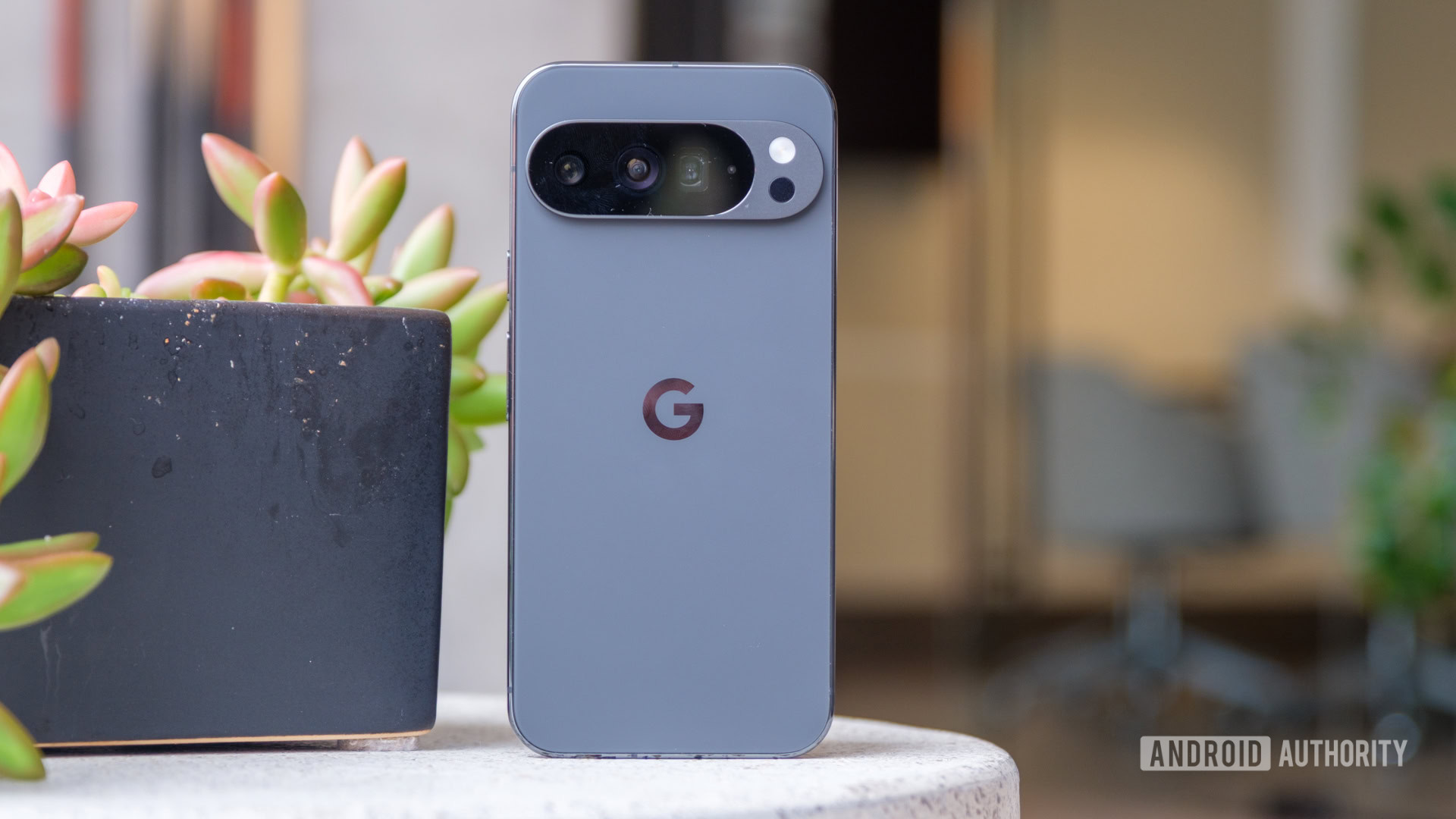
Ryan Haines / Android AuthorityGoogle’s second major quarterly release of Android 16 — known as Android 16 QPR2 — is finally here, bringing plenty of new features to Pixel owners, and eventually other brands as well.According to anecdotal reports from the usual corners of the internet, one unexpected bonus appears to be improved graphics performance for the Pixel 10.Google hasn’t officially mentioned a new GPU driver that Pixel 10 owners have been waiting for, but that doesn’t mean that minor improvements or optimizations aren’t tucked away inside.To find out, I grabbed my Pixel 10 Pro XL running the November 2025 patch, ran our usual test suite, and then updated to the QPR2 December 2025 update and tested again.
Has performance has improved with Android 16 QPR2?0 votesYesNaN%It's about the sameNaN%No, it's worseNaN%I can't tellNaN%Pixel 10 Pro XL benchmarks on Android 16 QPR2 Compared to my out-of-the-box Pixel 10 Pro XL, there is a clear performance improvement by the time I reached the November update.However, the Android 16 QPR2 update is roughly in the same ballpark as before the update.Since launch, CPU performance has improved slightly, with GeekBench 6’s single-core performance showing a 2% increase (which is close to the margin of error), while multi-core scores have risen somewhat more by 5% when averaged across three tests.That’s welcome, but hardly a game-changer for peak performance.
It’s also worth noting that these new results are still within the performance margin we observed while testing the entire Pixel 10 series, so they haven’t significantly boosted performance to brand-new heights.Instead, the average performance is better.Along those lines, PCMark’s Work 3.0 test suggests that a variety of use cases may see a considerable performance leap.
There’s a 19.6% boost here, which seems significant.However, we clocked a similar score for the Pixel 10 Pro at launch (while the Pixel 10 and XL were slower), suggesting that some variability has always been present.I don’t want to draw too many conclusions from this synthetic benchmark, but hopefully, Google has managed to iron out some of the performance kinks in Android 16, freeing the Pixel 10’s Tensor G5 to hit its peak performance more consistently than before.Next, let’s examine some graphics workloads courtesy of 3DMark’s stress tests.The performance uplift we saw on the CPU side is reflected in revised GPU tests, but we can see that QPR2 is marginally faster than its predecessor.
Peak performance is up nearly 5% in the Wild Life test and around 7% in Wild Life Extreme.So, let’s call this a modest 6% boost on average, but the real advantage seems to be that sustained performance can be better on more recent versions.Again, this uplift won’t revolutionize the phone’s distinctly average gaming performance.
Still, it should result in marginally higher peak frame rates and, perhaps more importantly, better stability and fewer janks in more demanding titles and emulators.Incidentally, both of these graphics tests use the Vulkan API; some users are reporting significantly more substantial gains in OpenGL, but I haven’t been able to verify this yet.As a bonus, this performance uplift comes with no additional cost to temperatures or stability.Steady performance improvements since launchRyan Haines / Android AuthorityThere’s an undeniable benchmarking boost for my Pixel 10 Pro XL between launch and QPR2.
However, it appears that most of the performance improvements were already in place before the latest update was released.Still, the arrival of QPR2 may have caused a few more people to smash that update button and finally benefit from the gains Google introduced a little earlier (probably in the November patch).That said, any CPU and system improvements appear to primarily result from ironing out previous inconsistencies, but the GPU gains seem a little more promising.In any case, this modest performance enhancement is undoubtedly the cherry on top of an already substantial Android 16 QPR2 update.
My Pixel 10 Pro XL is now faster than at launch, but the improvements came before QPR2.One often-overlooked benefit of achieving better peak performance is that it can make a more significant difference in worst-case scenarios.So, while a 5% boost won’t elevate recent Pixels to Snapdragon 8 Elite Gen 5 levels, it could mean that apps feel a little smoother to load, and games suffer from fewer janks, which aligns with anecdotal reports of phones feeling more responsive.We’ll see if this holds true as more users spend time with their updated Pixels.
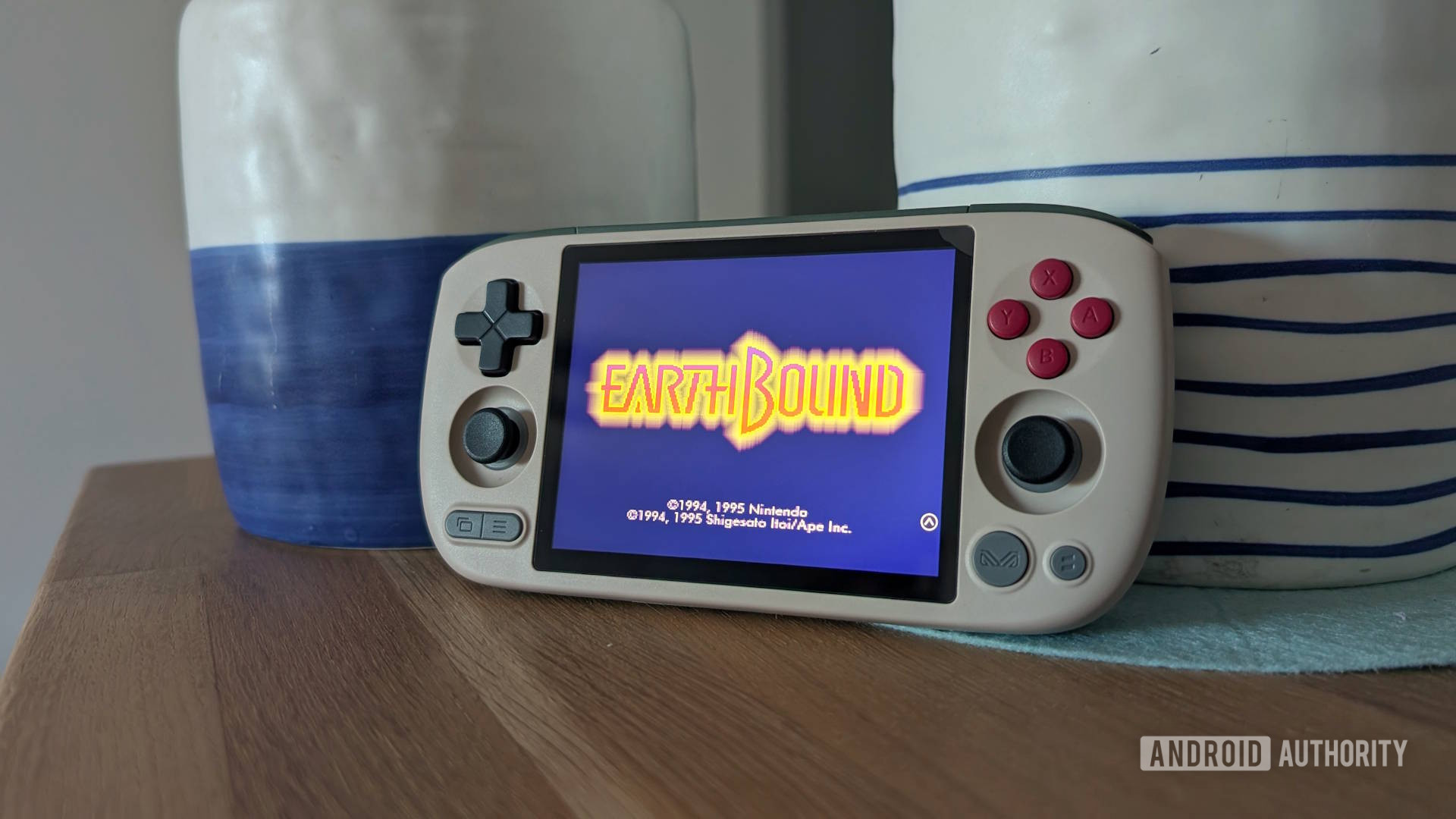
In the meantime, my next step is to check whether Android 16 QPR2 finally addresses the Pixel 10’s dire emulation performance compared to its predecessor — or if we’ll still have to wait and hope that a future driver update will make the Tensor G5 feel more like a true upgrade rather than a sidegrade.See price at Amazon31%offGoogle Pixel 10New optical zoom camera Long-term updates Loaded with Google AI featuresSee price at AmazonSave $250.00Limited Time Deal!See price at AmazonSee price at AmazonGoogle Pixel 10 ProTop-tier specs with small display Excellent cameras Powerful AI tools Top-notch softwareSee price at AmazonSee price at AmazonGoogle Pixel 10 Pro XLExcellent build quality Improved camera flexibility Smooth-as-ever softwareSee price at Amazon Don’t want to miss the best from Android Authority? Set us as a favorite source in Google Discover to never miss our latest exclusive reports, expert analysis, and much more.You can also set us as a preferred source in Google Search by clicking the button below.
FeaturesAndroid 16FollowThank you for being part of our community.Read our Comment Policy before posting.