3D printing model repositories are full of items designed to hold food and drink or be used in the kitchen to prepare food.But before you print any of these, you need to understand the risks involved in mixing 3D prints and food.Resin is highly toxic Most consumer 3D printers in the wild use filament deposition modeling (FDM), where layers of filament are deposited on top of one another to build a model from the ground up.
Stereolithography (SLA) and direct light processing (DLP) are different processes that create models out of a liquid resin.Light is used to “grow” models from a bath of resin, which results in higher resolution prints with smoother surfaces compared with FDM.The trade-off comes from the fact that resin must be cured and washed post-printing, and can be highly toxic to breathe, handle, and consume.
For that reason, using resin to print any items that are going anywhere near food or your mouth is a bad idea and should be avoided.This is just one of the reasons that many 3D printing newcomers decide to give resin printers a miss in favor of FDM.There’s more to safety than filament type Filament printers can use a variety of different filament types, with PLA (polylactic acid) having a good reputation for being a relatively safe material.
But that’s not to say that all PLA is food safe, and that only PLA sold as such should be considered safe for use on food items (and only from manufacturers you trust).It’s also possible for other filament types to be classed as food safe, including ABS, ASA, PET, PET-G, PP, and SBS.But there are other things to be aware of, including the 3D print itself.
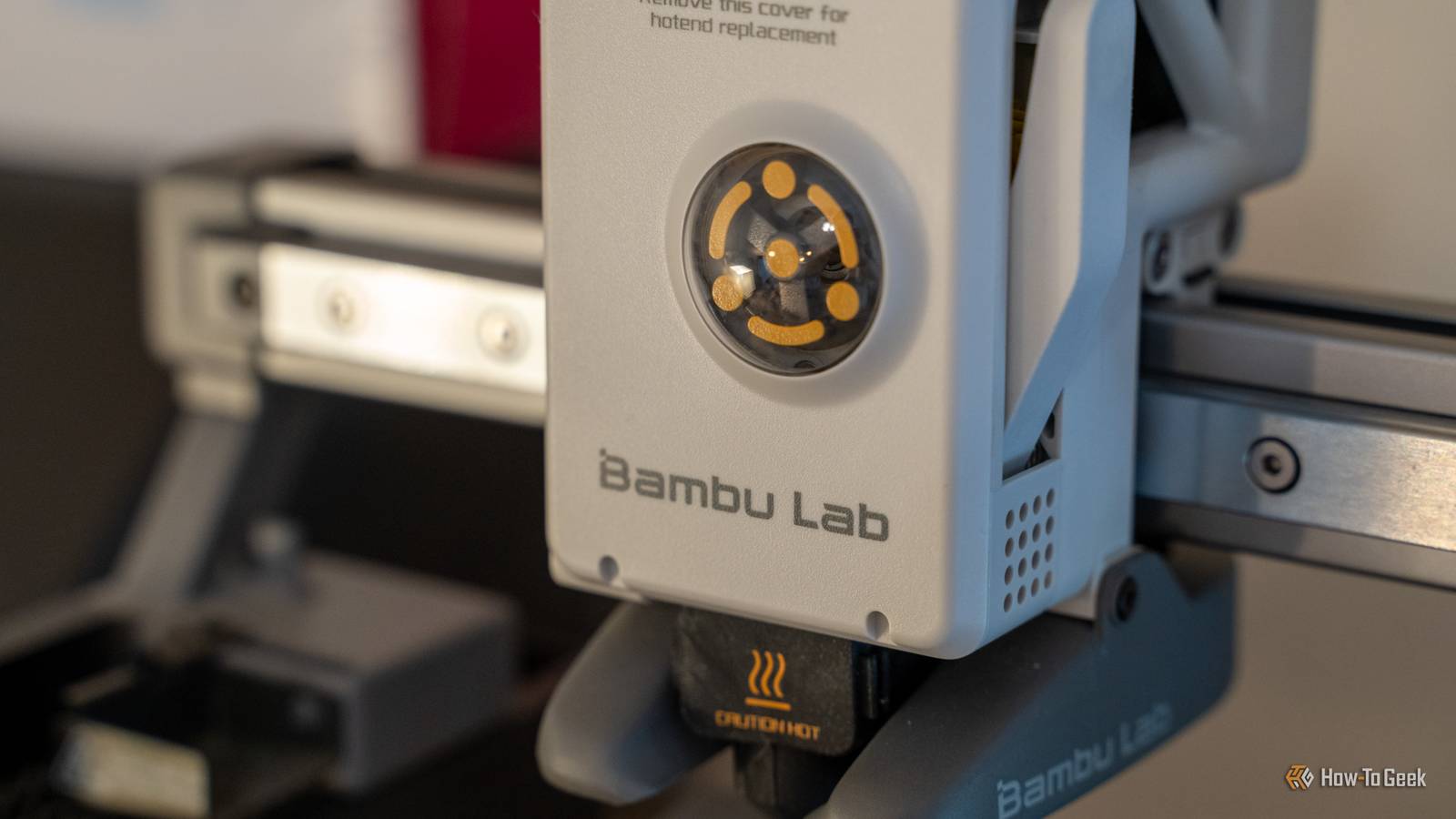
Many nozzles (hot ends) use potentially hazardous non-stick materials to help prevent blockages, and this can wear away over time, ending up inside your prints.As was noted when we looked at whether or not it is safe to share your living space with a 3D printer, filaments can also include impurities like nickel, copper, and cobalt.Layer-based 3D printing processes pose further danger There has long been speculation about whether the fact that FDM printers construct items layer by layer could pose additional risks.
It has been suggested that these layers can make it hard to properly clean items, with bacteria getting stuck in hard-to-reach places.One study suggests that warm soapy water (120ºF) is enough to clean 3D-printed items to a satisfactory degree, and that baking soda or bleach water soaks can also be used to eliminate biofilms and pathogens.The study’s limited scope of only three months and the fact that different printers and settings yield different results make this by no means definitive, but it is encouraging.
Concerns about cleanliness continue to be an oft-cited point of concern among 3D printing hobbyists.Since regular PLA, PET, and nylon warp and degrade at temperatures of around 150ºF, using a dishwasher on these items will likely damage them.Higher temperature filaments like PLA-HT are available, though a limited range of food safe examples exists.
Food grade epoxy can seal items (but might not be worth it) One way you can avoid chemicals leeching into food compromising the cleanliness of 3D-printed items is by coating them in a food grade epoxy.Companies like Master Bond produce food safe sealants, though they can be expensive and tricky to get hold of.Though such products will protect you from the potential harms posed by 3D printed items, their protection may only be temporary.
These coatings can wear with use, and many of them do not withstand high temperatures or dishwasher cycles particularly well.Once the sealant layer wears away, you’re back at square one with a print that could be harmful.Create molds with 3D printed models instead By far the safest means of using your 3D printer in the kitchen is to use it to create food molds.
Any item you print can become a “negative” for a food grade silicone mold, which can then be cast and turned into something that can be used time and time again.Benchy ice cubes, anyone? You’ll find instructions for this on resources like WikiHow, or printed on the side of silicone mold kits available in craft and kitchen stores.The upside of doing this is that you can focus on designing or finding an item that is the exact shape of the food item you want to create.
Subscribe to the newsletter for 3D-print food-safety guidance Join our newsletter for deeper coverage of 3D-printing and food-safety issues, practical guidance to help you assess materials and safer approaches, plus related maker and safety coverage to inform your projects.Subscribe By subscribing, you agree to receive newsletter and marketing emails, and accept our Terms of Use and Privacy Policy.You can unsubscribe anytime.
You can then use it to create ice cubes, confectionery, chocolate, or anything else you can think of.3D printing may be well established among enthusiasts, but in the grand scheme of things, the technology is relatively new.It will be decades before we have long-term studies examining all the risks, so for now err on the side of caution and stay safe.
Read More