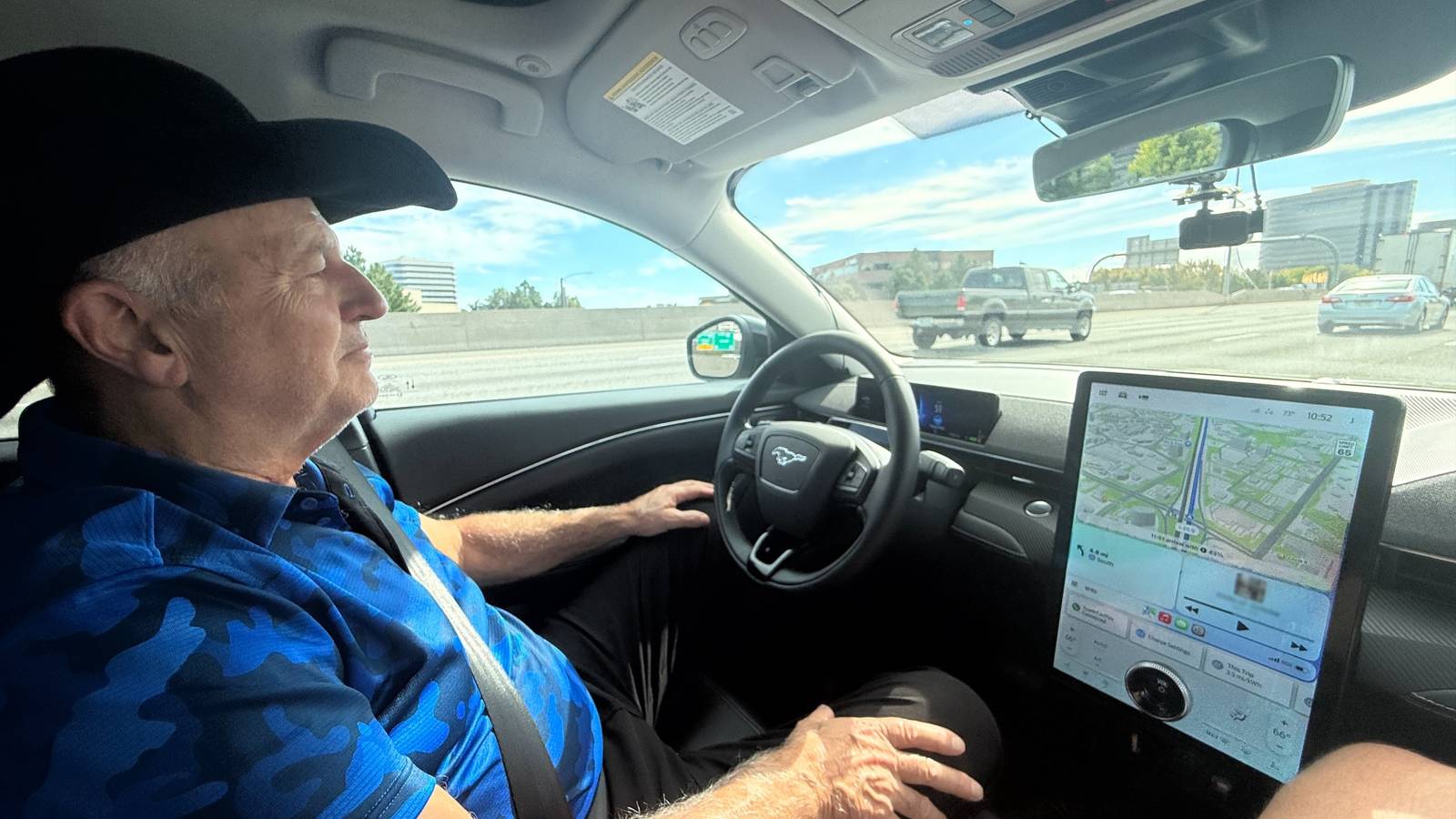
Ford has sold hands-free highway driving capability under the BlueCruise name since 2021, when it debuted on the F-150 and Mustang Mach-E.Buyers get a 90-day trial included with an eligible Ford vehicle, then pay $49.99 a month, $495 a year, or a one-time fee of $2,495.The one-time option guarantees at least seven years of BlueCruise service, with no additional payment required as long as Ford continues to offer the feature.
Ford doesn't publish an exact renewal rate the way GM does for Super Cruise, but the latest data suggests sustained growth for BlueCruise.Subscriptions rose 20% quarter over quarter in Q2 2026, with BlueCruise now accounting for half of Ford's retail Integrated Services revenue, according to comments Ford CEO Jim Farley made on the company's July 2026 earnings call.While BlueCruise has its benefits when it comes to handling the mundane stretches of a long commute, whether it's worth paying for after the free trial boils down to how often and where you drive.
If done as a one-time purchase, BlueCruise is attached to that vehicle's VIN, not the buyer.It carries over to whoever buys that Ford vehicle used, but it can't be transferred to a different vehicle.That said, those considering a pre-owned Ford or Lincoln with BlueCruise can also use the information below to decide whether it’s worth adding to the family budget.
How and where BlueCruise works System can function in higher-speed traffic BlueCruise is available on the Ford F-150, Mustang Mach-E, Explorer, and Expedition, along with Lincoln's Aviator, Nautilus, Corsair, and Navigator, where the same technology is sold as Lincoln BlueCruise.According to the automaker, customers have logged roughly 840 million hands-free miles with BlueCruise as of the second quarter of 2026, with about 1.22 million vehicles worldwide currently equipped with the feature.A hands-free highway driving system, BlueCruise can handle steering, acceleration, and braking on compatible highways, relying on cameras, radar, and GPS to keep the vehicle centered in its lane.
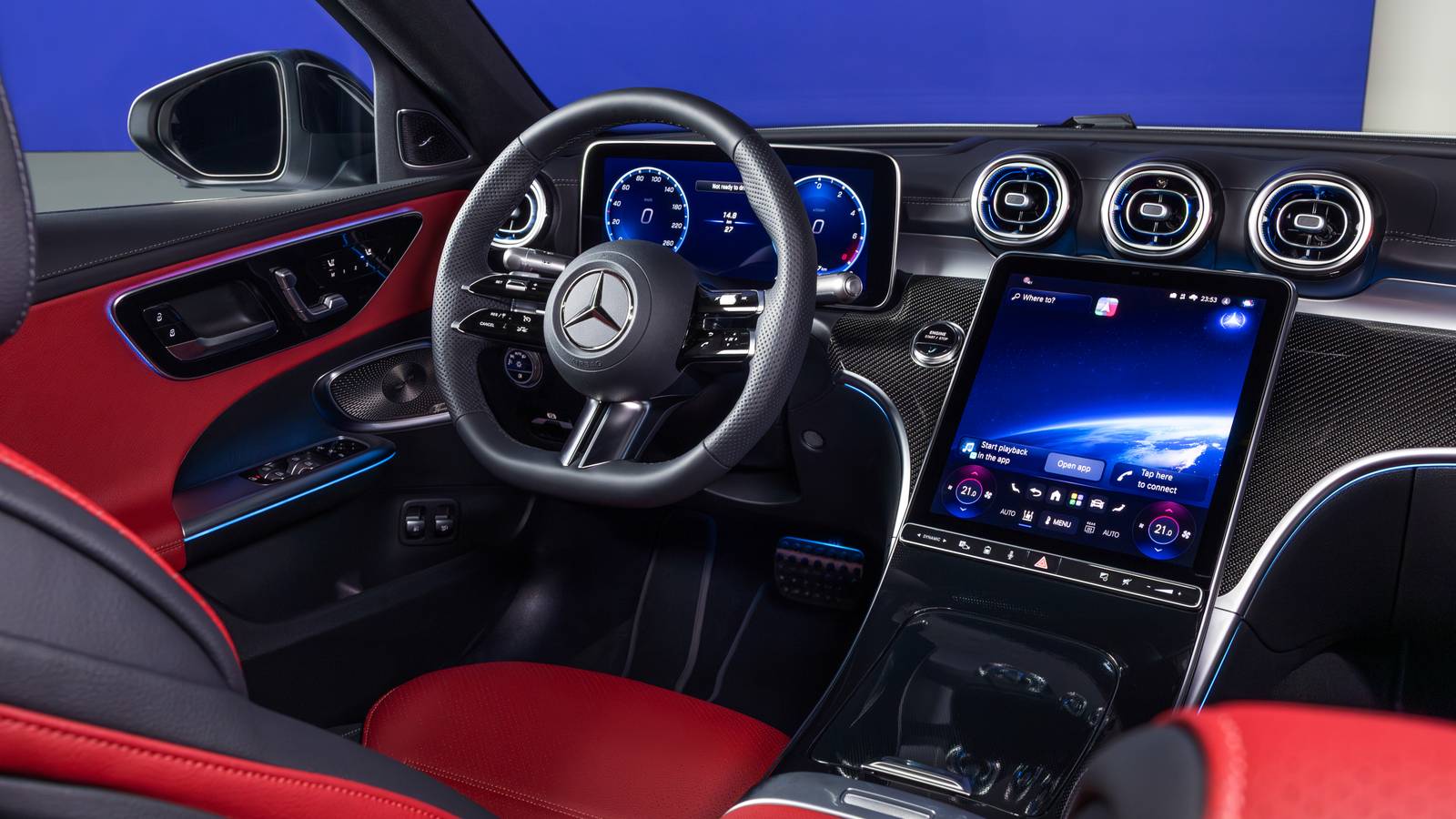
BlueCruise offers the same fatigue-reducing benefit as GM’s Super Cruise on long, monotonous highway stretches, since the system handles the small steering adjustments a daunting commute or road trip would otherwise demand.Vehicles like the 2026 Lincoln Navigator include a lane change assist feature that lets the vehicle complete the maneuver hands-free when you tap the turn signal.BlueCruise relies on external cameras and radar to read the road, paired with map and software data developed by Latitude AI, Ford's driver-assistance subsidiary.
The driver-facing camera separately tracks eye gaze and head position to make sure the driver's eyes stay on the road, similar in purpose to the interior camera GM uses for Super Cruise.Because BlueCruise only works where Ford has mapped and cleared the road ahead of time, it's limited to what the automaker calls Blue Zones, a network that now covers more than 130,000 miles of divided highways in the U.S.and Canada, up from about 100,000 miles when the system launched in 2021.
Related Cars are starting to fix their own recalls overnight—here's how it works No phone call to the dealership, no appointment to schedule, and no waiting room involved.Posts By Carl Anthony When to pay for BlueCruise (and when to drop it) Highway miles make the subscription count BlueCruise makes the most sense for drivers who spend a lot of time on the interstate, whether that means a daily work commute or frequent road trips for pleasure.Because the system only works on mapped highways, its value scales directly with how many highway or interstate miles someone drives.
For example, a Ford or Lincoln owner logging 15,000 or more highway miles a year can probably justify the $495 annual plan, which costs less than paying the $49.99 monthly rate year-round.By contrast, someone who drives mostly on lower-speed roads or lives in a smaller town or rural area may see little benefit, since BlueCruise simply won't activate outside its mapped highway network.Likewise, if most driving happens in stop-and-go traffic, or on routes BlueCruise doesn't cover, the subscription has little value.
Coverage is something to consider for those weighing BlueCruise and Super Cruise as part of their buying decision between a Ford or GM vehicle.BlueCruise's Blue Zone network covers about 130,000 miles, a fraction of the more than 600,000 miles Super Cruise covers, so drivers outside the busiest interstate corridors are more likely to find stretches where the Ford system won't engage.However, Consumer Reports rated BlueCruise 84 out of 100 in its active driving assistance testing, ahead of both GM's Super Cruise and Tesla's Autopilot, and rated its ability to keep users engaged at nine out of 10.
How BlueCruise stacks up against the competition GM's Super Cruise is the closest comparable system, beating BlueCruise by a wide margin on compatible highways.In terms of pricing, Super Cruise costs $39.99 a month or $399 a year, versus the $49.99 monthly rate or $495 annual plan for BlueCruise.Ford also offers a $2,495 one-time payment covering at least seven years, an option GM doesn't have.
Tesla's Autopilot ranked lowest of the three at 61 out of 100 on Consumer Reports' scorecard, with the publication citing a lack of effective driver monitoring.Full Self-Driving (Supervised) costs $99 a month and adds more capability, including city-street driving that neither BlueCruise nor Super Cruise can do.However, Full Self-Driving is a hands-on system, not a hands-off one like the systems from Ford and GM.
When it’s all said and done, Ford and Lincoln customers who spend a good amount of their day behind the wheel will benefit the most from BlueCruise.Those who don’t have a long commute to work or mostly make shorter trips around town may find it harder to justify paying for a monthly or yearly subscription.For buyers who want the lowest barrier to entry, the Mustang Mach-E has included BlueCruise-capable hardware on every trim since the 2024 model year, so even a nice pre-owned model will have the capability.
And finally, those who mainly want the reassurance of features like lane centering and adaptive cruise control don't need a BlueCruise subscription, since Ford and Lincoln both offer that type of driver-assist technology through their Co-Pilot360 Assist+ and Lincoln Co-Pilot360 Plus packages, a one-time equipment purchase with the vehicle rather than a monthly subscription.
Read More