The first Google Pixel was released 10 years ago on October 20, 2016, with one mission: to raise the bar for Android through Google's own hardware and software.It replaced the Nexus line and ushered in an era in which Google was, to a degree, competing with its own phone and tablet partners.Has the past decade helped Android, however? The answer is complicated.
Google has often moved the industry forward with the Pixel line, but missteps and shortcomings have sometimes kept the devices from reaching their full potential.Early days: Starting strong, with rough patches Gimmicks took away from a solid foundation Close The original Pixel from 2016 established the template: quality cameras, distinctive design, tight integration with in-house services like Google Assistant, and exclusive features like live tech support.It didn't upend the mobile landscape (IDC estimated Google sold fewer than 2 million in its launch quarter), but it showed what was possible when Android and its hardware worked in harmony.
After that, though, the track record was mixed.The Pixel 2 quickly became a fan favorite thanks to excellent photography, but was blasted for losing the headphone jack and the questionable utility of squeezing the phone to launch Google Assistant.The Pixel 3 was arguably the culmination of the early era with major leaps in camera features (such as Night Sight) as well as the debut of affordable A-series models.
The series ran into some trouble with the Pixel 4.While there were some improvements, the radar-based Motion Sense was half-gimmick: face unlocking was useful, but hand-waving gestures grew old quickly.And while the Pixel 4a quickly became a fan favorite thanks to its exceptional value, battery overheating issues came back to haunt Google as the company had to limit capacity years later in the name of safety.
The Pixel 5 fared better, but it was ultimately a mid-range model.While that was thankfully set to change a year later, there were concerns Google was letting Android down by settling into a comfortable niche and letting partners like Samsung take over.The middle years: Google hits its stride Design and unique features mattered more There was no complacency when Google released the Pixel 6.
It was a total redesign that not only gave the Pixel a long-overdue iconic look, but moved to the in-house Tensor processor and leaned in on exclusive features like Magic Erase photo editing and song recognition.There were complaints about the slow fingerprint reader and thermal throttling, but it served as a shining example for other Android vendors — especially as Google committed to a then-long five years of OS updates.The Pixel 7 and 8 were iterative in design, but they increasingly highlighted Google's star attraction: AI.
You could get the perfect group shot with Best Take, or even alter whole scenes with Magic Editor.That last feature has faced criticism as fears mount about manipulated photos, but there's no doubt that this influenced the Android world: Samsung's Galaxy AI and similar feature sets are clearly following in Google's footsteps.The Pixel Fold also boosted foldable phone adoption, even if Samsung largely defined the category.
The gripes mainly centered around performance.It became increasingly clear that Tensor CPUs lagged behind their Snapdragon counterparts, and that charging speeds weren't much better.And how often did you really use the Pixel 8 line's thermometer? You were paying for the official Android experience, not the best Android device.
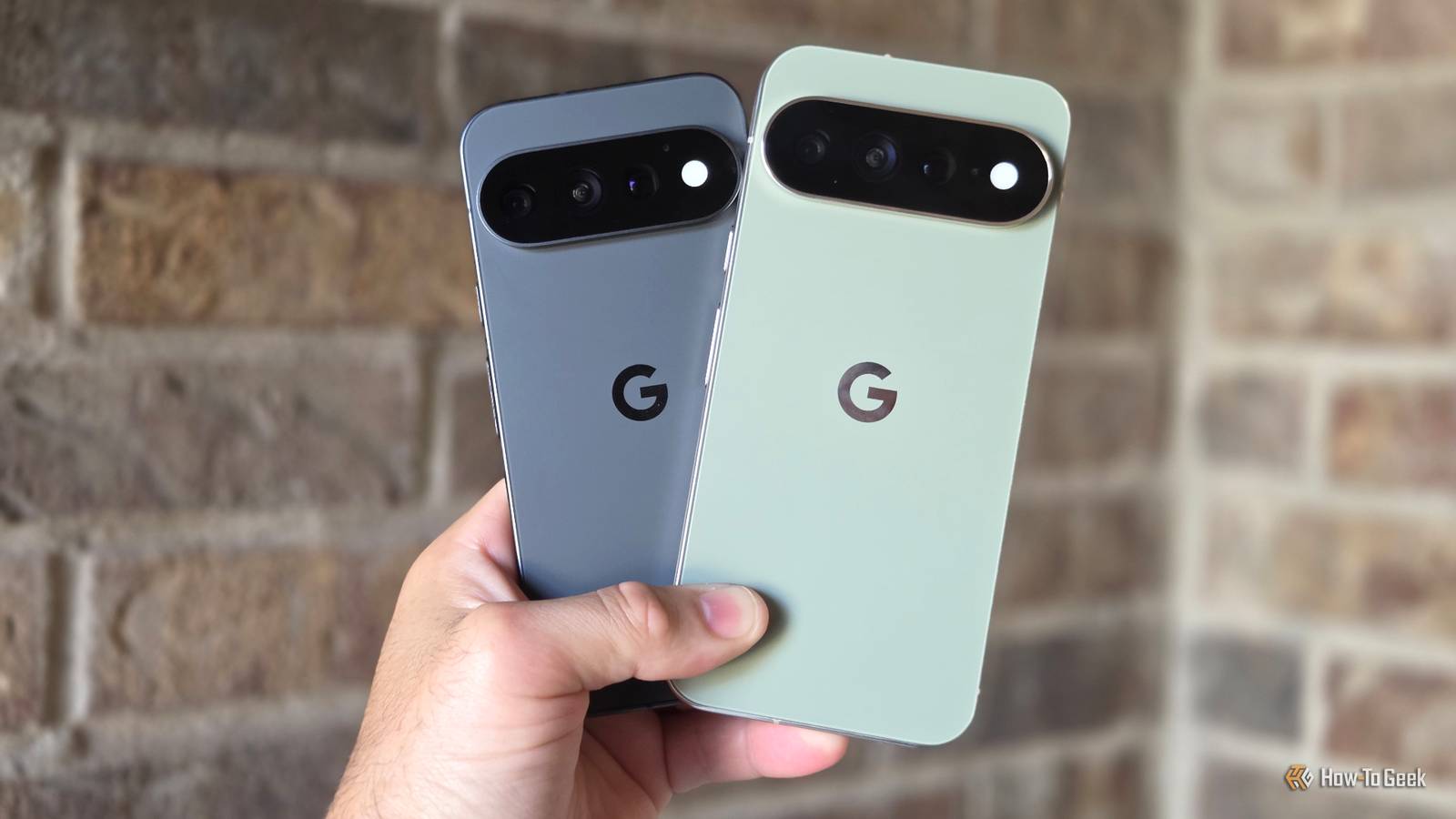
That's not including the underwhelming response to the Pixel Tablet pseudo smart display.Modern era: Great design, but what about the future? The calls for change are getting louder The Pixel 9 was another big reset for Google, with a slick new design, top-tier camera quality, and more pioneering AI features like Gemini Live (for conversational AI) and Pixel Screenshots (to search for details in screen captures).It remains my favorite Pixel as it was simply well-balanced.
The Pixel 10 shifted the landscape, if not for the reasons you'd expect.While it did add MagSafe-style Qi2 charging, it moved the appeal back to more affordable phones, as the base model's telephoto camera (among other changes) gave everyday users one less reason to buy the Pro.Related The 5 best Google Pixel phones of all time, ranked Featuring an underrated gem and a modern marvel.
Posts 27 By Joe Fedewa At the same time, there were worries that Google was slipping.Tensor chips just couldn't keep up with Snapdragons.Where other Android vendors were packing 200-megapixel cameras and 8K video, the Pixel was stuck with familiar sensors and 4K.
Others were concerned that Google was leaning too heavily on AI to shore up camera limitations, including Super Res Zoom (for long-distance shots) and Video Boost (for upgraded video quality).These concerns are magnified with Google's new Pixel 11 phones.They're faster, sport slightly better cameras and charge quicker, but their signature feature, the HiLight notification LED, isn't very useful.
Many expect the Pixel 12 to usher in another overhaul (Google is operating on a three-year cycle), but for now the main appeals are still photography and clean Android.Even so, the Pixel remains the vanguard for Android.Marquee features like Gemini Intelligence and Magic Capture launch quickly or exclusively on Google phones, sometimes prompting me-too versions on other phones.
It pressures third parties to not only update Android quickly, but also support devices for up to seven years.The platform is better off with the Pixel, even if you're more likely to buy someone else's handset.
Read More