When I first got Netflix, it was a fantastic deal.It cost literally 20 times less than my satellite subscription; it had a huge library of shows and movies, and the convenience was unparalleled.The modern streaming landscape looks very different.
Comfort shows keep dropping from or moving to different services.Prices keep going up, and multiple subs are necessary.So I've made a rule that if I want to watch a show or movie again after seeing it on streaming, then it deserves a disc purchase.
But if you buy a disc for a one-off price, doesn't that mean the creators make less? Not quite.The family sharing crackdown is a bad sign I don't need third-party consent in this relationship Close All the major streaming services are cracking down on account sharing.While they didn't care much in the past, they'll now even track locations to ensure everyone using an account lives in the same home.
I honestly think this was one of the first major changes that started waking people up to the fact that streaming services threaten how we consume media if it's the only option on the table.With a disc, you can pay for it once and then legally lend it to anyone else to watch.Streaming services are trying to get every individual person who uses the service to pay a discrete fee.
So that must mean, with all this revenue maximization, that the creators of the content make more money from streaming? Not as far as I can tell.Buying a new disc can still pay the people who made the movie The right people get a sliver of the pie When you buy a new movie or show on disc today, a portion of the money the distributor gets goes to writers, according to the WGA.To give you an idea, movies made for the theater and then later reused for TV or for home media have negotiated residual percentages.
For discs, and for everything else, it's "1.2% of accountable receipts." That WGA web page on residuals is fascinating and worth reading in its entirety.It gives you a clear idea of how, when, and to whom money flows when something is sold on home media or run on TV.Streaming residuals don’t work like a tip jar for every play They get something, but it's not that straightforward It's no secret that it's been a challenge to work out how people should be paid for shows when streamed.
The formulas for physical-media residuals and for shows and movies that enter syndication as reruns have been settled for decades.We've also seen how music streaming services like Spotify have decimated the money artists get, even compared to the notoriously paltry cut they receive from CD sales.It's a different industry, but it shows that the streaming model disrupts how people are getting paid.
They are working on it, though.If you visit the WGA website on residuals, you'll see that there's now a formula for how much money people who are eligible for residuals get from streaming shows.It does seem overly complicated compared to divvying up the profit from a disc sale, but at least some revenue trickles to creators when you watch an episode of every day of the year.
A bigger problem is that, right now, people get a mix of income from streaming, disc, and broadcast television.With new shows and movies that are created for streaming services and will only ever be on streaming services, the lack of revenue streams is worrying.That's one reason streaming shows are so expensive to make.
Creators and artists want a lot of money upfront, because there is no back-end to speak of.Once I own the copy, the studio can’t take it off my shelf I want to support the industry that makes the content I love, but the streaming model makes convoluted Hollywood bookkeeping look like the ledgers of a lemonade stand.I try to buy new discs, where money goes to the creators, if the prices aren't egregious, but these days my collection mainly grows from used discs that are out of print anyway.
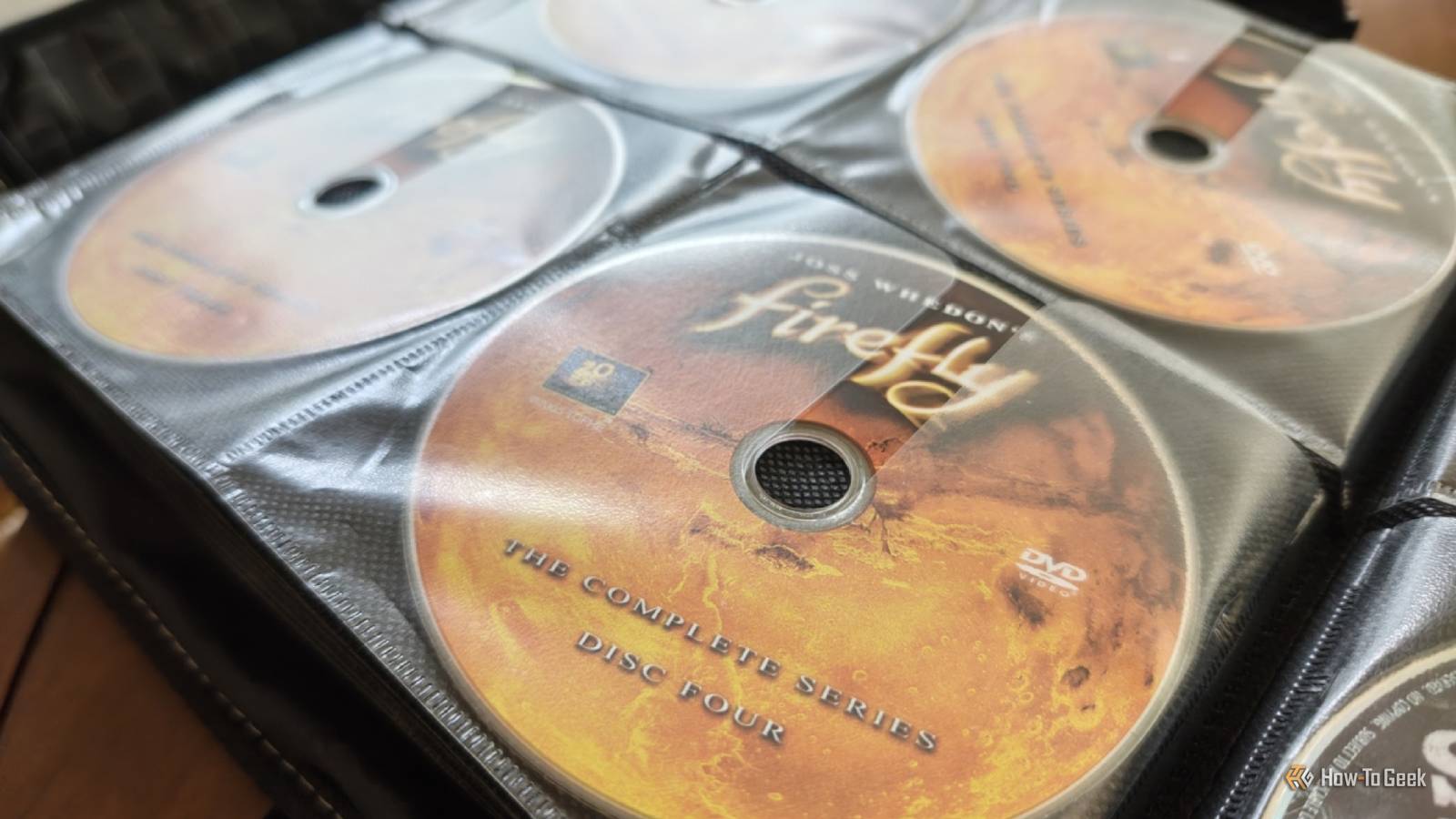
But, for me, these concessions are ultimately worth it because not only am I exercising my legal right to own and control a physical object like a disc, but I'm also protecting myself from a platform that might decide there's no profit in continuing to make a movie or show available to me.It's why I bought Star Trek on Blu-ray, or my other favorite show, , even though it's streaming on Netflix after being impossible to get legally for decades.As long as those discs function, no one can change their contents or my ability to watch them as many times as I like.
Read More