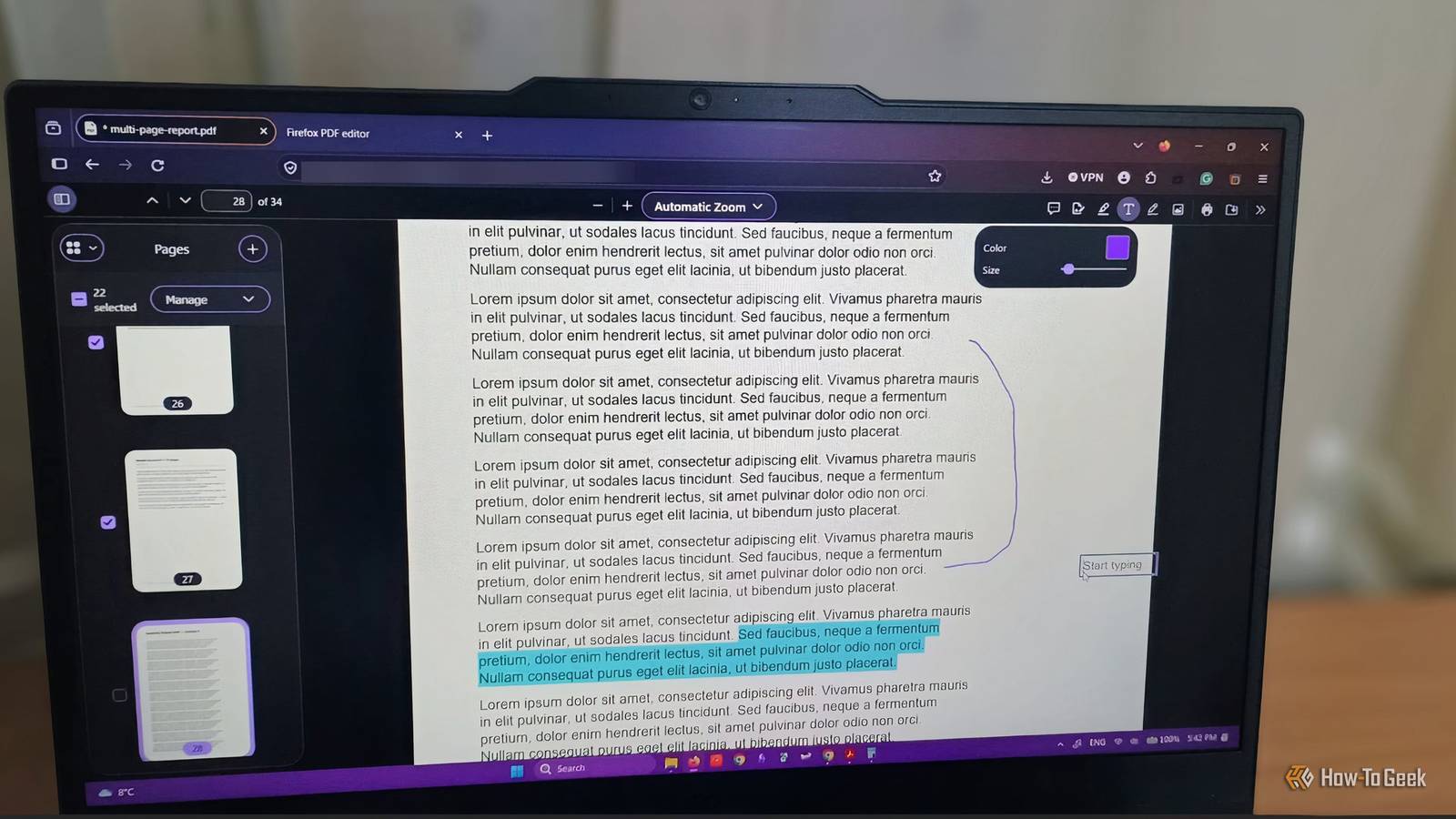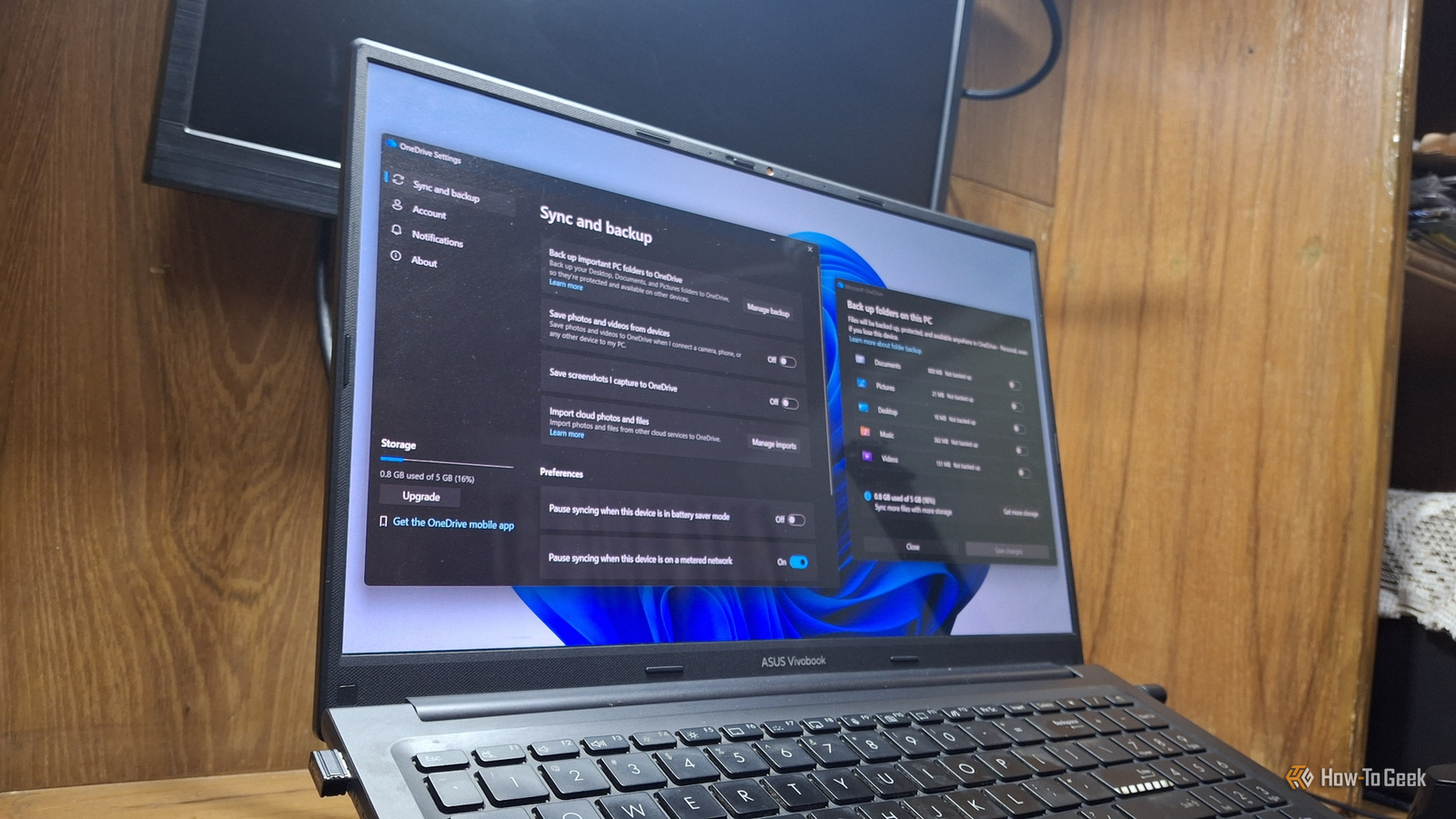
There’s nothing quite like free energy, both in dollars and emissions, so I’ve started powering as many devices as I can entirely with solar power — including the one I’m writing these words on.I'm not going to tell you this is practical for most people, but it's doable, and for some of us, it’s fun.Add How-To Geek on Google Add as Preferred Source Follow on Google Discover While this setup works well for me, whether it's viable for you depends on your circumstances.
You need a porch, balcony, or yard with a clear line of sight to the sun.Alternatively, if you don’t have these at home, you'll need a schedule that lets you carry equipment to a place that does.It also took me a few years to buy all the necessary kit.
We all have different homes and lifestyles, so I wouldn’t expect your approach to exactly mirror mine.Nonetheless, here’s how I’ve approached the effort.We’ve stocked up on as many batteries as we can Everything needs to be rechargeable We have batteries ranging from the 5,000mAh Anker Nano that plugs into the bottom of a phone to 10,000mAh and 20,000mAh power banks.
I’ve built up a stash of batteries all over the house over time, taking advantage of sales and open-box deals so that I could order several at once.I’ve made sure all of our AA and AAA batteries are rechargeable as well.We make use of the disposables that devices come with, but when those die, we pop in Panasonic Eneloop or IKEA rechargeables instead.
When those batteries need charging, we plug them into bigger batteries.This is where our portable power stations come in.Our Anker SOLIX C1000 is large enough to charge all of these batteries over the course of a week without being a pain to move around (and a newer model has since come out).
Any battery you might think of as a “Jackery” will get the job done, as long as it comes from a reputable brand and is made with a safe battery chemistry.You want one that uses LiFePO4 battery cells, which most modern options do.Think of batteries as your new power outlets Save wall outlets for your heavier appliances Close When someone in my home wants to charge their phone, tablet, or Nintendo Switch, they don’t reach for the nearest charging block and camp near a power outlet.
They instead go to a drawer in the living room and grab a phone power bank, or they reach for a lightweight 300W portable power station like the Anker SOLIX C300 (we've reviewed the USB-only version).I tend to keep one hovering by our coffee table.For larger devices, I’m a big fan of the Anker SOLIX S2000.
It looks like a product designed to live in the home, and I keep one in a dedicated spot in my bedroom.It has enough power to run a projector at night while also powering an electric blanket or a foot massager.These devices may not have built-in batteries, but I’ve made them battery-powered.
Then, when these portable power stations get low, rather than plug them into the wall, I toss them into the sun.What to consider when buying a portable solar panel Reaching for these panels is about to become a way of life Close If I see that it’s a sunny day, I make sure to top up my power stations.Whether this is worth the effort depends a lot on your selection of portable solar panels.
If they’re flimsy or a pain to set up, then you’re not going to put up with them.I didn’t start relying on solar this extensively until I got my hands on the new bifacial Anker SOLIX PS100, PS200, and PS400 portable solar panels.They have rigid frames and legs yet are still lightweight, making them feel effortless to set up.
It takes me mere moments to unfold a PS100, grab a small power station, and set it up on my back porch.I recommend seeking out a rigid portable panel over the fabric-feeling ones, even if you opt for a third-party brand.They’re just easier.
Also, check dimensions, because many portable 400W panels can be quite large and hard to store inside a home.I personally will settle for a smaller, slower panel that takes longer if it’s more pleasant to actually use.But if you'd rather charge a single big battery as fast as possible, the 500W Bluetti SORA 500 is the fastest panel I’ve used, and it takes up shockingly little space in my closet.
Unfortunately, it is quite a bit of a job to set up and readjust throughout the day.I’m more inclined to think of it as an emergency backup.Remember that power stations are solar generators You can charge devices directly from the sun Close The beautiful thing about yard work is that if the weather is nice enough to go outside, then it’s likely also ideal for solar.
Most of my yard tools are battery-powered by Greenworks, and those that aren’t are still electric.I’ve started taking a portable power station out with me when I go out to work.I can recharge my batteries as I go or directly power yard tools that lack a battery without impacting my power bill in the slightest.
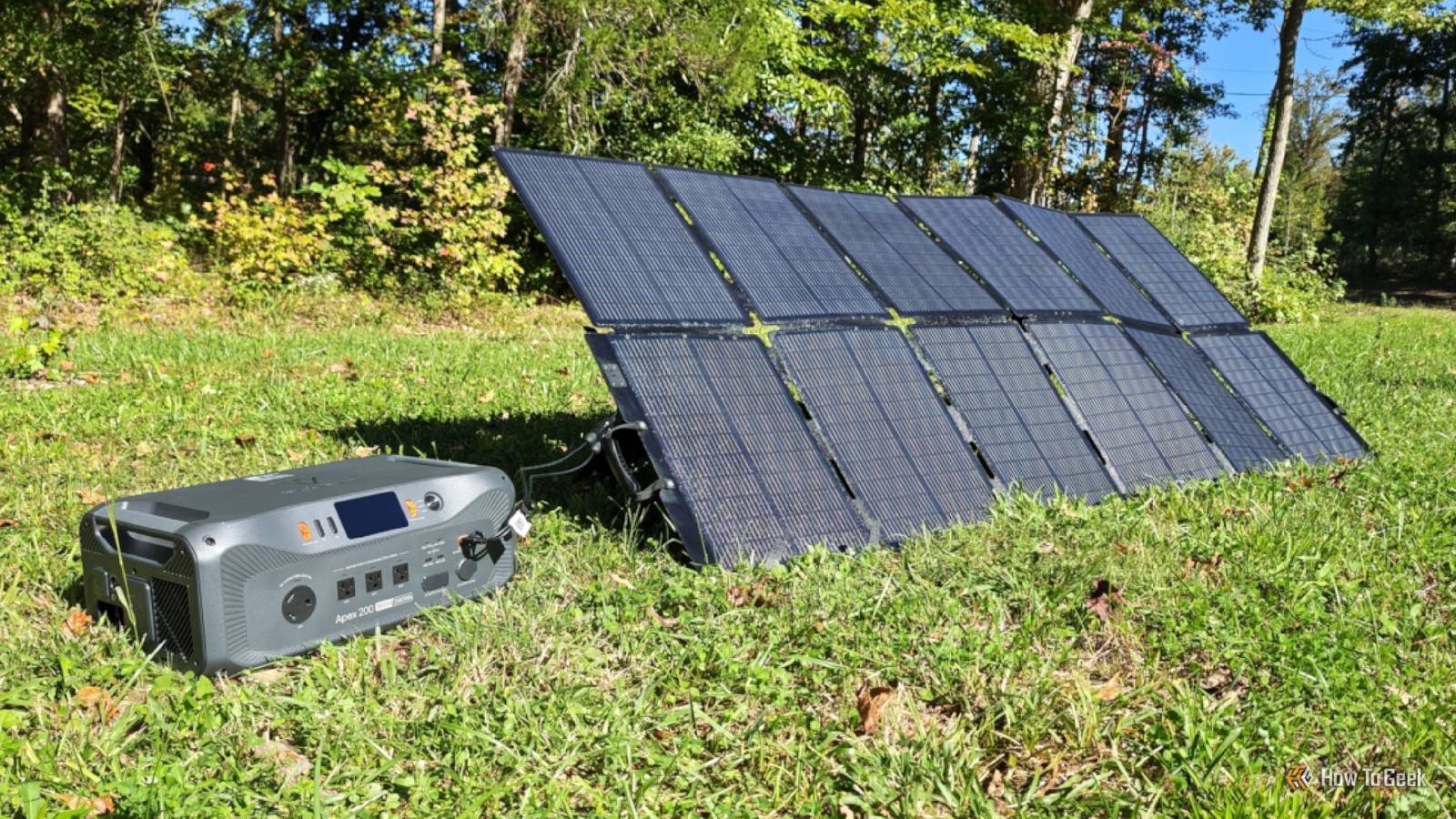
Bluetti sent me a preview sample of the Apex 200.It's a revision of the Apex 300 that is significantly lighter with only a slight reduction in battery capacity.It’s an ideal battery for this sort of use.
It is rugged enough to be tossed in the yard without concern, yet light enough that it doesn’t need wheels.The TT-30R port on the front means it's even usable for home backup if you have a generator inlet port.I don’t find the Apex 200 attractive enough to keep in the corner of my living room, but I find it ideal to tuck under a bed or store in a pantry.
This versatility may be the reason to choose the larger Apex 200 over a similar-sized battery like the Anker SOLIX S2000, and as much as I adore the larger Anker SOLIX S5000, it’s heavy enough that I would more quickly grab an Apex 200 to take outdoors.You can also add on expansion batteries if you need the extra capacity.I generally prefer Anker, but Bluetti's more consumer-friendly approach to expansion batteries makes it the next brand I would consider if I were starting my collection over.
Free power negates the downsides of charging batteries with batteries Batteries aren't 100% efficient, so you won’t get all the energy out that you put in.This isn’t ideal when you’re paying for power, but it’s a non-issue when that energy is free.Is this saving me a bunch of money? Not really.
Most of these devices barely put a dent in the electric bill.But I live in a rural area where I need a backup plan for power anyway, even to keep the water running.Finding another way to make use of these solar panels and batteries makes my lifestyle more resilient, and I experience less friction when the power goes out.
It also means I can enjoy more of my hobbies without worrying about how or where the energy is being generated.
Read More