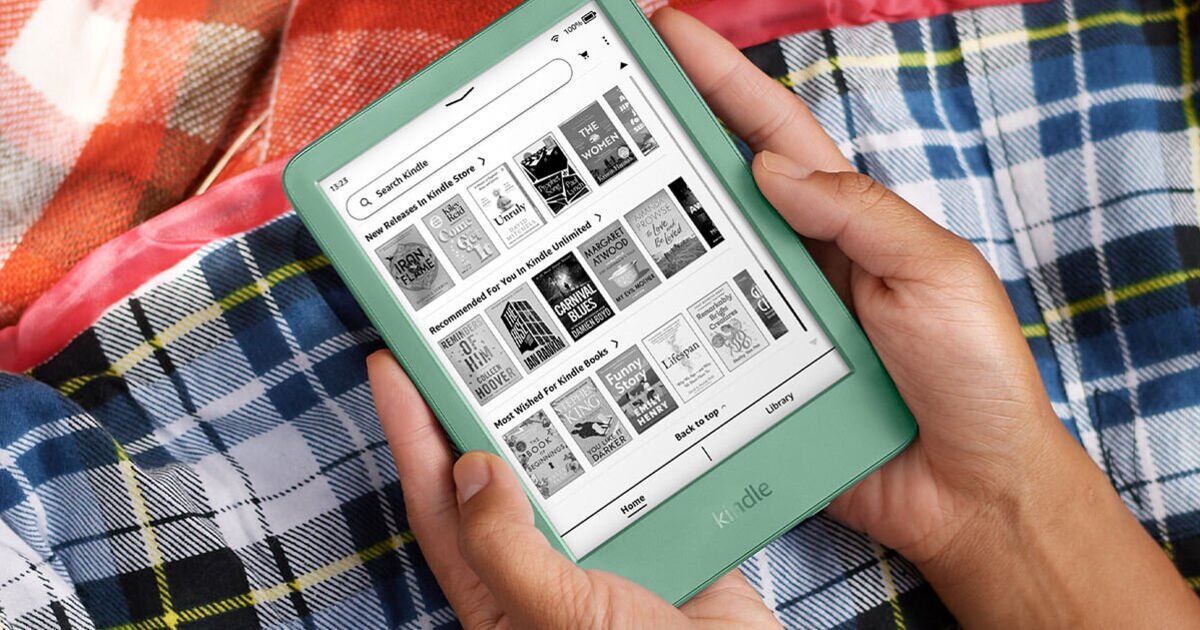
The Amazon Kindle is the bestselling and best-known e-reader range in the world, with millions of devices and even more e-book titles sold each year.The novelty of carrying around hundreds of books on one small gadget is still alluring almost two decades on from the release of the first Kindle in 2007.But despite - or perhaps because of - the Kindle’s dominance, Amazon has opted to limit certain aspects of the e-book experience, even after you’ve paid for a title.Thanks to a technology called Digital Rights Management (DRM), Amazon can lock Kindle books so you can only read them on Kindle devices or in the Kindle app, meaning you can’t read them on a Kobo or other e-reader, even though you’ve paid for the e-book.
Article continues below ADVERTISEMENT Read more: Amazon gives you another even cheaper way to get the ultimate Kindle upgrade Read more: New Android phone’s clever trick could tempt you to ditch your Kindle Tech news, reviews and latest gadgets plus selected offers and competitions Subscribe Invalid emailWe use your sign-up to provide content in ways you've consented to and to improve our understanding of you.This may include adverts from us and 3rd parties based on our understanding.You can unsubscribe at any time.
Read our Privacy Policy Get More of Our News on GoogleSet Daily Express as a 'Preferred Source' to get quicker access to the news you value.More recently, Amazon also decided to stop allowing its customers to download their already purchased e-books from their Amazon accounts.This used to be possible so you could store the EPUB files on your computer or hard drive, but this feature was taken away in February 2025.In a not-quite-turnaround of events, Amazon has introduced a new way to download your Kindle books, but whether or not you will be able to is down to publishers and authors.As reported by Goodereader, as of January 20, 2026, Amazon now gives publishers and authors the option to make their e-books DRM-free, which would mean buyers of Kindle e-books would be able to use them however they wished, including reading them on other e-reader devices or to store physical files of bought content like they could before.
Article continues below ADVERTISEMENTIf a publisher or author submits an e-book to the Kindle platform and chooses not to apply DRM, buyers will then be able to download them from the Manage Your Content And Devices section of your Amazon account via the Amazon website in a browser (Amazon doesn’t make it easy!).Article continues below ADVERTISEMENTApple unveils AI-powered iPhone 16 range From here you can click through to Books, where you will be able to download your EPUB files if they are DRM-free.However, publishers and authors will have to retroactively make existing Kindle titles DRM-free, so you will probably find none of your current purchases are available to download.You might find new titles could crop up DRM-free for you to download, but just because this option is now available, it’s not a given that publishers and authors will allow it.
That’s because a DRM-free file is easier to pirate and illegally distribute compared to a locked one, so they might want to continue to encourage readers to pay up for their own copy.Amazon’s dominance in the e-reader market benefits the consumer in some ways (99p e-book sales, anyone?) but also harms the book market for authors in others (those same 99p sales, to be honest).Whether or not this minor, slightly confusing change will shift the publishing market at all remains to be seen, but for now, keep an eye on your Kindle account to see if you’re able to download any of your e-books.
Read More