In a sense, the platters of a hard drive, or the magnetic surface of a floppy disk are blank sheets.There are technical limits on where and how you can write and read binary data, but for the most part, you can arrange and manage how that data is stored however you like.That's what we call a drive "format" and how you choose to design that format affects everything from drive performance and capacity to the security and reliability of your data.
The FAT or system has been the backbone of computer system for decades, and even though it's not the main format anymore, it's still widely used.Chances are you probably have a FAT-formatted drive somewhere close to you right now.FAT was managing files before the IBM PC existed Someone had to come up with a solution Close Bill Gates (who played a small role) and his colleague at Microsoft, Marc McDonald (who did the bulk of the work), created the FAT system in 1977.
Logically, it predates the IBM PC, but then you need to develop the underlying software and hardware before you can have the PC! But while the House of FAT originated in 1977, modern FAT32 and exFAT are perhaps not that similar to that first 8-bit effort.The format has evolved with the times, and improvements in storage technology have required more efficient versions of the original concept.So, you might not be surprised to hear that your modern Windows 11 PC won't read a disk formatted in that first FAT format.
, Windows 11's native support goes all the way back to FAT12.So, if you have a USB floppy drive and put an old disk formatted in FAT12 in it, you should, in theory, see the contents on a modern Windows 11 machine! Your old Windows installation doesn’t have to work It's like necromancy If you find an old Windows PC that won't turn on anymore and its drives are formatted in FAT, you can get the data off that disk without a working vintage computer.As long as you can connect the old drive to a modern system, you can extract the data.
FAT32 and older formats don't support whole disk or volume-level encryption, or file ownership lists like a modern NTFS drive.You can still encrypt individual files on these disks with the right utility, but otherwise, a FAT disk is an open book.FAT gives different generations of computers somewhere to meet FAT is still the for many devices.
If you format a flash drive using FAT32 or exFAT, it will probably work on any device you plug it into.Smart TVs, Macs, routers, or anything else.This also makes it a good intermediate format for moving files from an old system with an obscure format to newer devices.
If you have an old computer that uses its own weird drive formats, it probably supports FAT.So format a drive with a FAT version it supports (E.g., FAT16), then copy the files you need from the old system to the drive.Then your modern computer can just copy the files from that FAT-formatted drive to wherever you need them.
A local NTFS drive, the cloud, or a burned disc.Your choices are endless.For example, if you have an old Amiga, you can use something like FAT95 to let it read and write to FAT volumes, moving data between the Amiga and a PC.
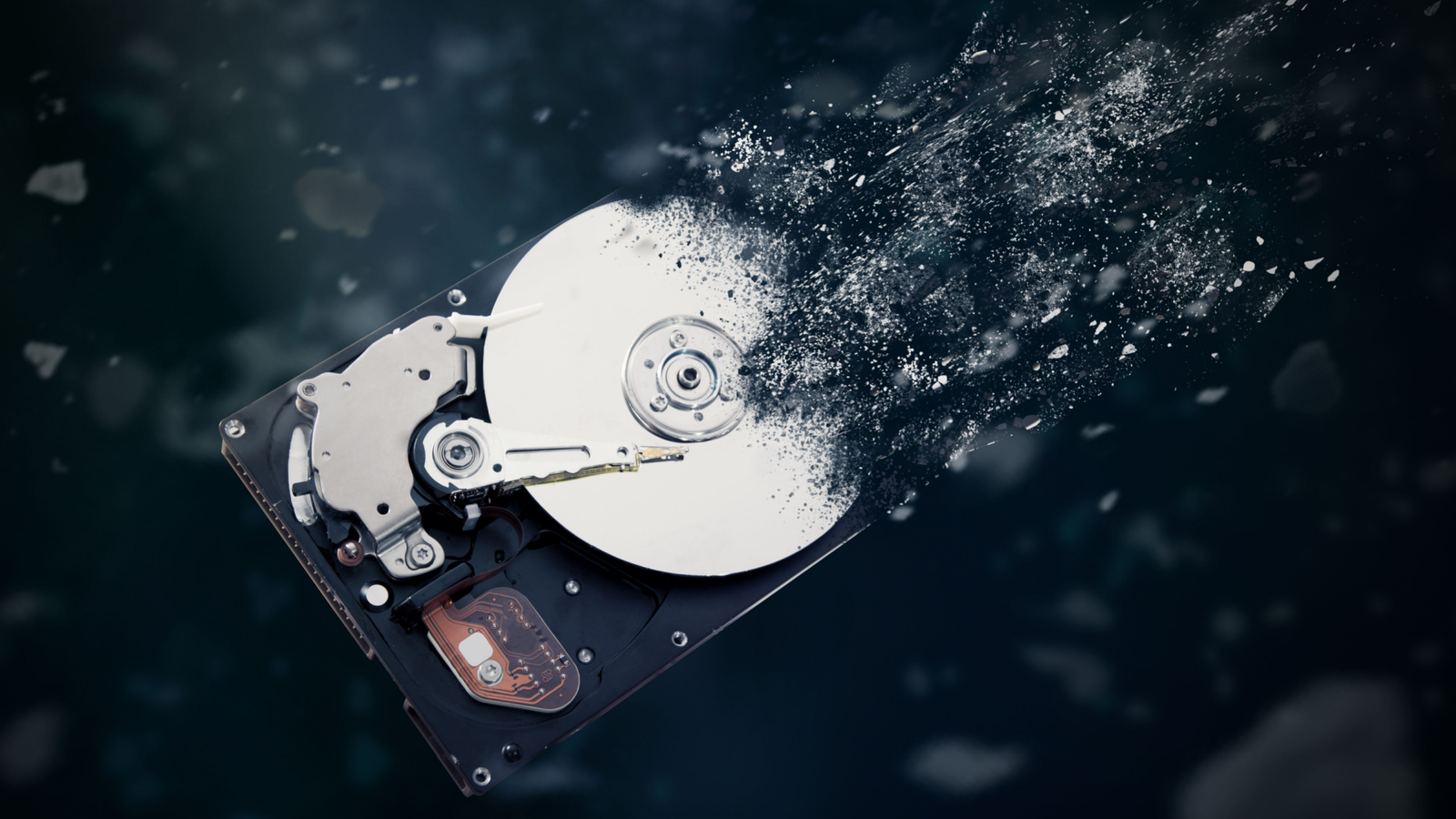
Even deleted files can leave enough behind to recover "Delete" is more of a guideline than an actual rule when it comes to FAT When you tell your computer to "delete" a file on a hard drive, it doesn't immediately remove or overwrite the data.Instead, it marks that area of the drive as available.That is why software like Recuva can easily recover files from FAT-formatted disks.
This isn't unique to FAT; you can recover files from conventional mechanical hard drives the same way on other formats, too.But FAT is so well-supported and understood that recovery success is more likely if the old drive you've found uses this vintage format.Remember: the rescue starts with protecting the original drive If you've found an old FAT drive and you're trying to recover the files on it, take it slow.
Don't click "yes" on any prompts to format it or "initialize it." If it's not in good shape, you'll need recovery software, or you can turn a Raspberry Pi into an automated HDD testing station and recover your FAT drive's datawith Linux-based disk management tools.
Read More