Cordless power tools are as capable and convenient as ever these days, but one thing owners frequently overlook is how to care for those expensive battery packs.Ryobi's ONE+ battery system is a staple in garages everywhere, but a few common user habits could be quietly shortening your battery's lifespan.There are several tool and battery habits that can help your tools last longer, so make sure you're not leaving them to bake in hot garages or sweltering sheds, running them to empty, or making a few other common mistakes.
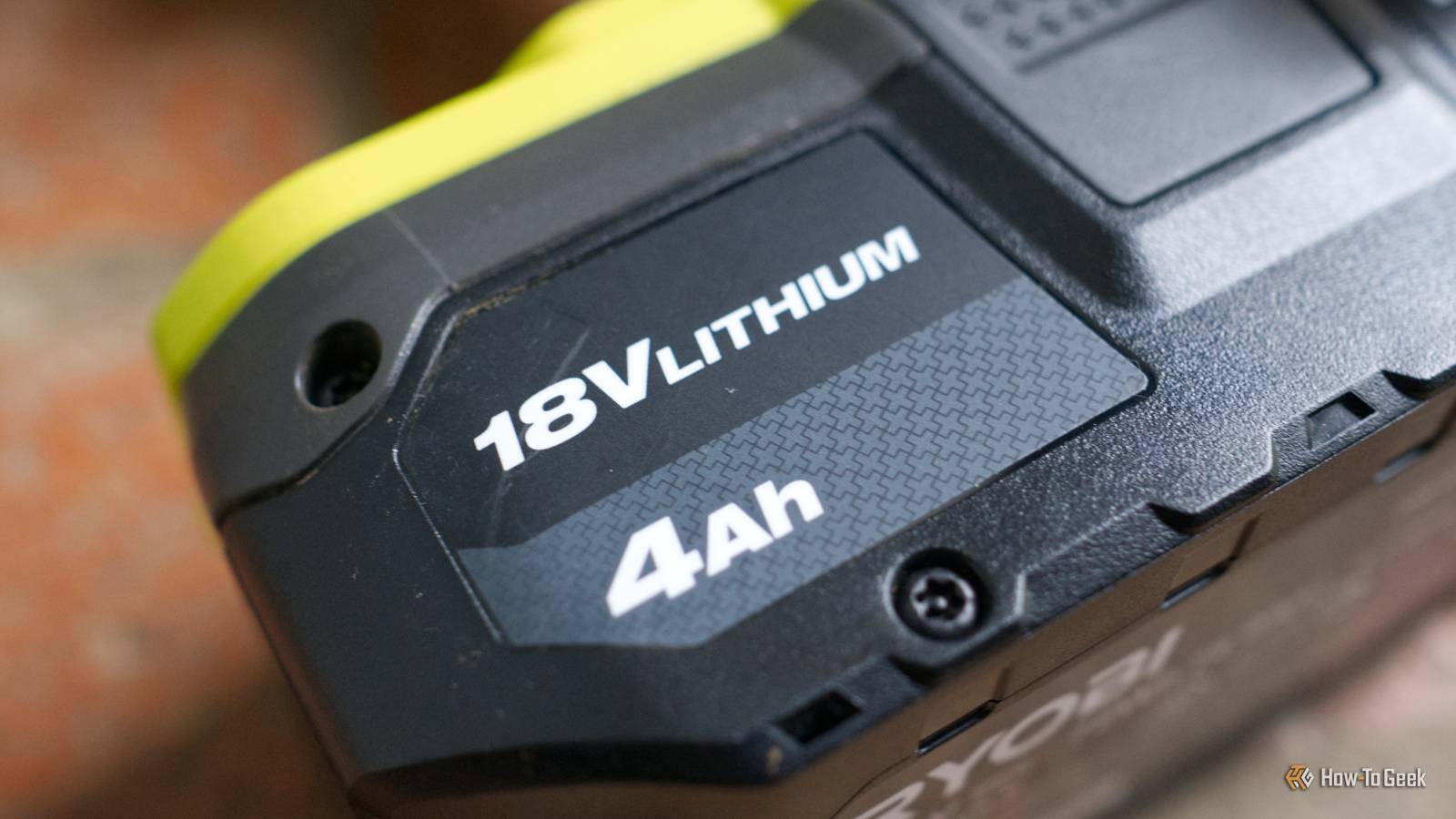
Before you have to spend $80 on another battery, make sure to avoid these missteps.Match the tool to the battery Don't use heavy-duty tools with small battery packs If you've ever wandered through Home Depot and found a great deal on a Ryobi tool combo kit, there's a good chance you have one or two of its small 2 Ah battery packs.You'll want to use those smaller packs, and to a degree, even 4 Ah models, with low-drain tools like a drill, electric screwdriver, lights, and fans.
Using small-capacity 18V Ryobi batteries on heavy-duty, high-draw tools like circular saws, impact wrenches, or orbital sanders is a common mistake that can ruin your battery.The logic here is to avoid depleting smaller batteries too quickly or constantly asking too much of them.Related Ryobi’s real advantage over Milwaukee and DeWalt isn’t the price—it’s the ecosystem Pro brands win the jobsite, but Ryobi wins everywhere else .
Posts 2 By Cory Gunther Just because your Ryobi 18V saw can take that little 2 Ah battery doesn't mean you should use it.It'll drain way too fast and get too hot, both of which you want to avoid.Not only will you prevent too much draw and heat, but a 6 Ah battery will last longer between uses, putting fewer charge cycles on your smaller packs.
For bigger tools, consider upgrading to a Ryobi 6 Ah 'HP' pack or an even newer Ryobi EDGE battery.Avoid excessive heat (or cold) Store batteries at a temperature you'd want for yourself Next, and perhaps the most important habit, is how you store and charge your Ryobi batteries.Don't just use it all day until it's dead, then throw it on the charger in your hot garage or backyard shed.
That's a recipe for disaster.Lithium-ion rechargeables don't tolerate extremes of heat and cold particularly well, and most people store them in a garage that gets way too warm in the summer, or cold in the winter.Not only are extreme temperatures bad for the battery, but they can and will affect performance, charging speeds, and the cell lifespan.
As a result, you'll want to keep each Ryobi in a somewhat cool (or climate-controlled) place that's dry.Most tool manufacturers recommend keeping the battery packs between 60°F and 77°F.A good rule of thumb is to always let your battery cool after use (or warm up if it's cold outside) before you put it on the charger.
Then, once charged, try to store your tools inside the house or somewhere with a relatively stable temperature.Never let your Ryobi battery completely run out And don't leave it on the charger indefinitely, either The most common mistake many beginners, homeowners, or DIYers make is using a battery repeatedly until it's completely dead.Small jobs don't take much time, so you'll just leave the same battery in your drill or leaf blower for weeks at a time until it reaches zero.
Stop! That's incredibly bad for your battery.If you let the battery completely run out of juice, it could permanently damage things.Your Ryobi battery has built-in protection to always leave a little in the tank, but it's still not recommended.
Complete emptying degrades the lifespan of any lithium-ion battery, whether it's a battery for tools, your smartphone, smartwatch, laptop, or even an electric vehicle.Related Ryobi batteries rarely die without warning, and these 3 signs show up first It's the little things.Posts By Cory Gunther Furthermore, storing a battery that's low or completely depleted is a great way to turn it into a paperweight.
Ryobi suggests keeping things between 40–60% for long-term storage, like over the winter.If you're going to store your battery, leave it at 60% and inside, rather than 100% while sitting on the charger for months at a time.Enjoy your tools for years to come At the end of the day, it's pretty simple.
Keep your Ryobi battery packs at proper temperatures and charge levels, and don't overuse smaller packs by draining them instantly with high-draw tools.I also label each one and have a solid rotation plan, so that one cell isn't constantly getting recharged more than the others, which ensures they'll all last a bit longer.After 20 years of buying Ryobi tools, I've only had one battery die, and all my others are perfectly fine.
That includes several older blue tools and the battery packs that came with them.
Read More