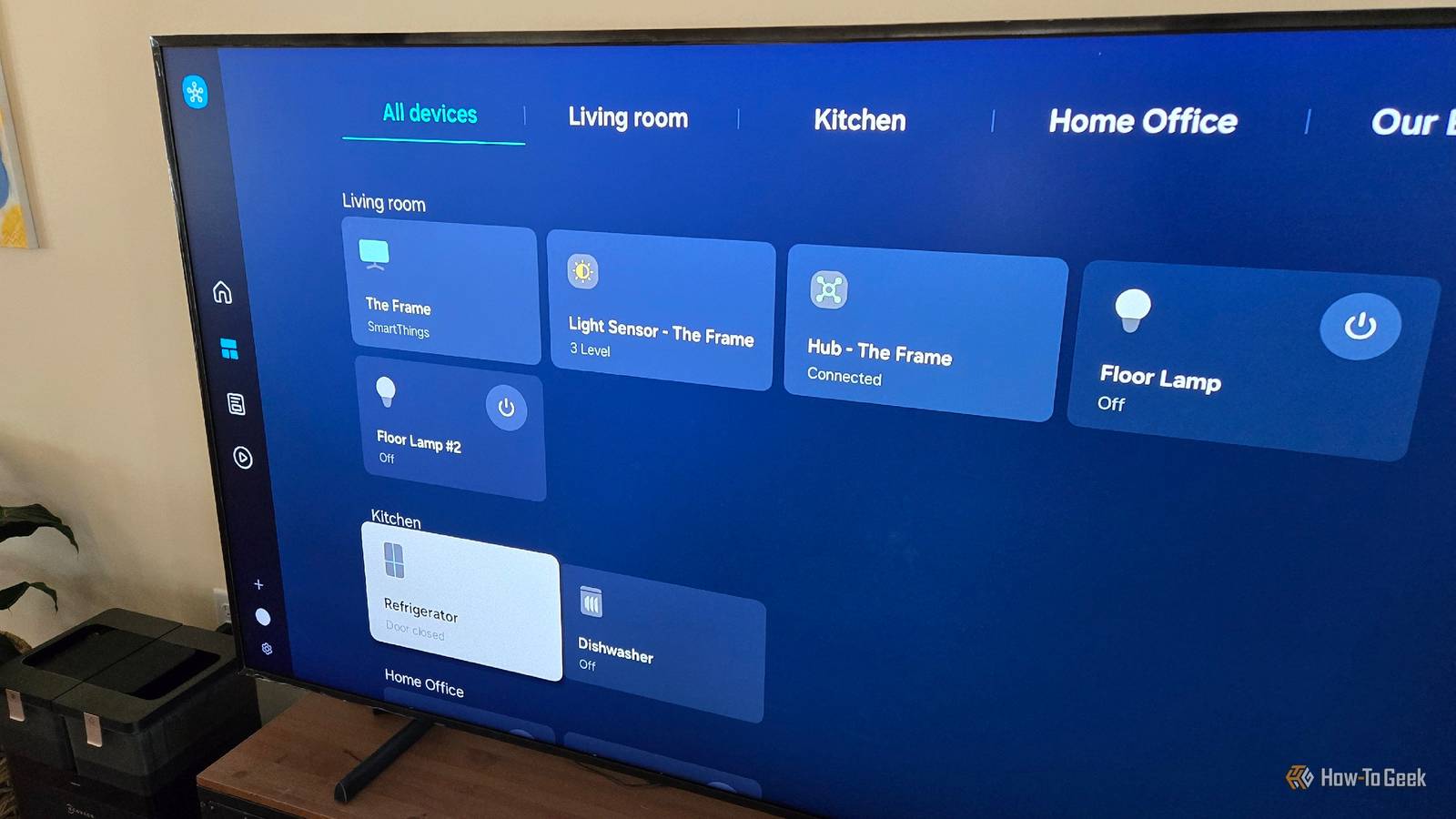
If you want a good TV, or TV these days, you're inevitably going to buy a "smart" TV.On paper, a smart TV sounds like an upgrade over a "dumb" model, but in practice, smart TVs have turned out to be of limited value.The list of cons is indeed long, and it's why I disable the smart functions on my own TVs completely.
They’re not designed to last When I say that smart TVs are not designed to last, I'm not referring to the "TV" part of the equation.Clearly, there are plenty of examples of smart TVs that are over a decade old and still act perfectly fine as TVs.It's the software and smart TV hardware that are the real issues.
The cycle here is more similar to smartphones, where, after just a few years, the newer versions of the OS and apps start to run poorly.Eventually, your TV will get no more updates at all.However, you'll probably end up switching to a streaming stick or box long before that point anyway, which is cheaper than buying a new TV to replace a model that is otherwise performing just fine.
They spy on us At this point, most of us have accepted that whenever we do something online, someone is keeping a record of it and using that information to make a profit somehow.So you're probably not shocked to learn that when you use apps on your smart TV, there's data collection happening both by whoever made the app and the TV manufacturer.What might shock you is that on my TVs a technology called ACR, or , also collects data about anything else you do with your TV.
So if you're watching cable, it can tell what you watch.If you pop in a DVD or Blu-ray, it knows which one, and if you play video games, it can tell that too.This information is used to build a profile on you for advertising and to be sold to third parties.
This can track you across devices too, so maybe if you've been watching old movies, you'll see ads in your PC browser related to that.The good news is you can usually turn this off like I did for my Google TV, though often the permission is hidden away behind legal language in the privacy settings, or it's called something nice like "content enhancement." In some cases, turning off all data sharing might mean you aren't even allowed to use any smart TV functions, which is what happened with my LG OLED, but that suits me fine since I now don't even give it access to my network for updates.It's a "dumb" TV in all but name.
We end up paying for smarts we don’t use Earlier I mentioned that people eventually end up using a streaming stick or something like an Apple TV down the line anyway, but many people don't even wait.Even if I got a new TV today, I'd keep using my Apple TV 4K box for all of my streaming.Regardless of when you start using an external smart streaming device, the bottom line is that most of us are paying for smart guts in our TVs that we barely use or eventually completely abandon.
Apple TV 4K (3rd Gen) Brand Apple Operating System tvOS Resolution 4K Ports HDMI $127 at Amazon See at bestbuy See at Target Expand Collapse Cheap smart TVs are subsidized with your privacy While all TVs are subject to scummy data harvesting practices in principle, it seems to me that the cheapest TVs fare the worst here.In fact, it might very well be that the only reason you can get a decent TV for so little money upfront these days is because the actual profit lies in selling your data, not in fattening the margin on hardware.That can still be a great deal for you if you just disable your TV's network access and don't use the smart functions of your set, but it also makes me feel a little gross in principle, personally.
Updates can bait and switch you by making your TV worse You may have heard of the concept called "enshittification," as coined by writer Cory Doctorow, where a service or product starts out as a great deal for consumers, but once they have you locked in for enshittification, the service degrades to benefit you less and benefit the service provider more.Subscribe to the newsletter for smart‑TV privacy insight Join the newsletter for deeper coverage of smart‑TV pitfalls and practical how‑tos — from ACR and data collection to software longevity and steps to disable tracking.Subscribe for in‑depth reporting and guidance on smart‑TV issues.
Subscribe By subscribing, you agree to receive newsletter and marketing emails, and accept Valnet’s Terms of Use and Privacy Policy.You can unsubscribe anytime.That's exactly what happened with my LG CS OLED TV.
When I first bought it, everything was great.There were no ads or other unpleasant things on my home screen at all.Then one day after an automatic update, I started seeing advertising on the home screen of the TV.
Even worse, it now defaults to what is effectively a billboard in my living room instead of going back to the last source I used.This was a big factor in my cutting the device off from the internet, and now I get to watch it beg me every day to "connect to the internet to enjoy smart TV features"—but I never will.
Read More