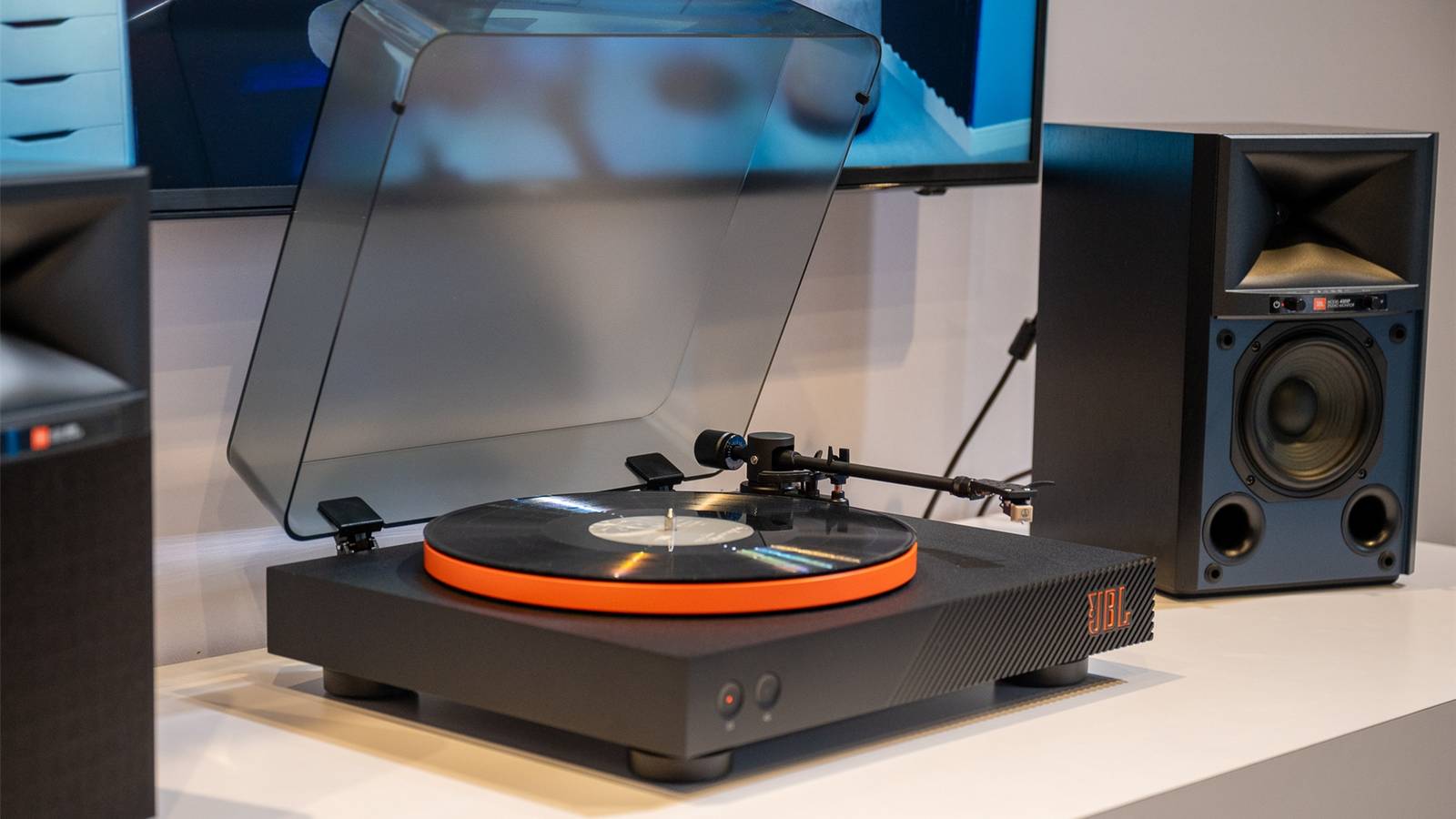
Vinyl records aren't the most convenient or accurate music medium out there, and they certainly cost more than a streaming service.Despite their disadvantages, I still buy them, and you should too.You own your records There have been countless lawsuits around whether you own the things you digitally purchase on the internet, with mixed results.
However, you certainly don't own any music you stream.That has created a situation where you really own your favorite music, at least unless you go out of your way.That is the big appeal of physical media in general—once you buy it, you own it for life.
You can pass it on to your kids or grandkids if you want.You're not going to get a vinyl record collection with a clause that says they're all forfeit if you break some inscrutable terms and conditions.Vinyl records last a very long time If you want to ensure that you own your media and can revisit it months, years, or even decades in the future, there is no better way to do that than buying physical media.
Vinyl records have been around for nearly a century at this point, and unlike mediums that could last that long, we know that records will last at least 80 years if kept in good condition.I own a few albums from the 1960s that still sound good, even after decades of use and misuse.LPs also have another longevity advantage over other forms of physical media: they're analog.
Sound is stored as a series of bumps in a groove, which means you really don't need a sophisticated machine to play it back.In a pinch, you can even tape a sewing needle to a paper plate.On the other hand, there is no guarantee that any of the digital standards we use today will be around in the year 2075.
Even if we remember how an MP3 is encoded in some technical manual, will there be software readily available to play it back? We take it as a given that our digital world is permanent, but that isn't necessarily the case.Even today, there are video games from the 1980s and 1990s that are difficult to play on contemporary hardware.In the long term, other media could fall victim to the same fate.
Your Vinyl Collection Is Slowly Destroying Itself Going out not with a bang, but with a hiss and a pop.Posts 49 By Sydney Butler You like the sound better Vinyl records, even though they trigger a cultural and personal nostalgia, are not the best medium from a technical perspective.Their maximum dynamic range—which is the difference between the quietest possible sound on a record and the loudest possible sound on a record—is only about 16 decibels (dB), while digital files can have ranges in the hundreds or even thousands of decibels.
Most recordings never make use of it, and your hearing will become the limiting factor long, but the capability is there if anyone wants it.Vinyl records don't win any points when it comes to frequency response either.On a record, the sound is stored as physical bumps in a groove.
The closer together the bumps are, the higher the frequency will be; as the bumps spread out, the frequency decreases.As you get toward higher frequencies, the needle has a difficult time tracking each tiny bump correctly.As you go lower, the bumps become larger, and the needle might physically bounce out of the groove.
That creates a physical limit on the frequencies that can be stored on a vinyl record.On the other hand, digital is only practically limited by whatever you used to record and then play back the music.Related Why Vinyl Doesn't Actually Sound Better Who likes the pop, hiss, and crackle? Posts 95 By Nick Lewis However, there is more to listening to music than technical accuracy.
After all, most headphones and speakers people buy aren't for "analytical" listening either.In the same way, records do have a certain charm.The RIAA curve, which boosts bass and tones down treble to counter some of the limitations of vinyl, imparts a warmth that many people like.
Maybe a record has a particular mastering or version of a song that is different from the one on Apple Music.The ritual makes music better Of course, like with all things, technical superiority isn't the end-all-be-all.There are more important things than perfect audio fidelity.
Much of the appeal of vinyl records comes from the nostalgia factor and the fact that listening is so deliberate and not compulsive.One of the interesting perks of vinyl records is that they force you to sit down and listen to an album as the creator intended, unless you go over to move the needle.Oftentimes, an album may tell a longer story that you'd miss if you only listened to a random scattering of songs.
Unfortunately, listening on streaming services encourages that kind of listening.Ultimately, the most important thing about music is whether you enjoy it.Vinyl might not be the best material to store sound in the world, but it does have some redeeming quirks and a proven longevity that makes it appealing.
If you are going to chase audio fidelity, however, I'd recommend starting with your audio equipment.A good pair of speakers and a nice amplifier will probably go a lot further to improving your listening experience than splitting hairs over the technical advantages of FLACs over vinyl.Fluance RT81 Elite Turntable The Fluance RT81 Elite Turntable offers exceptional audio performance with its high-quality components, including an Audio Technica AT95E cartridge, balanced aluminum S-Type tonearm, and solid wood plinth.
Perfect for vinyl enthusiasts seeking a rich, detailed listening experience.See at Amazon Expand Collapse
Read More