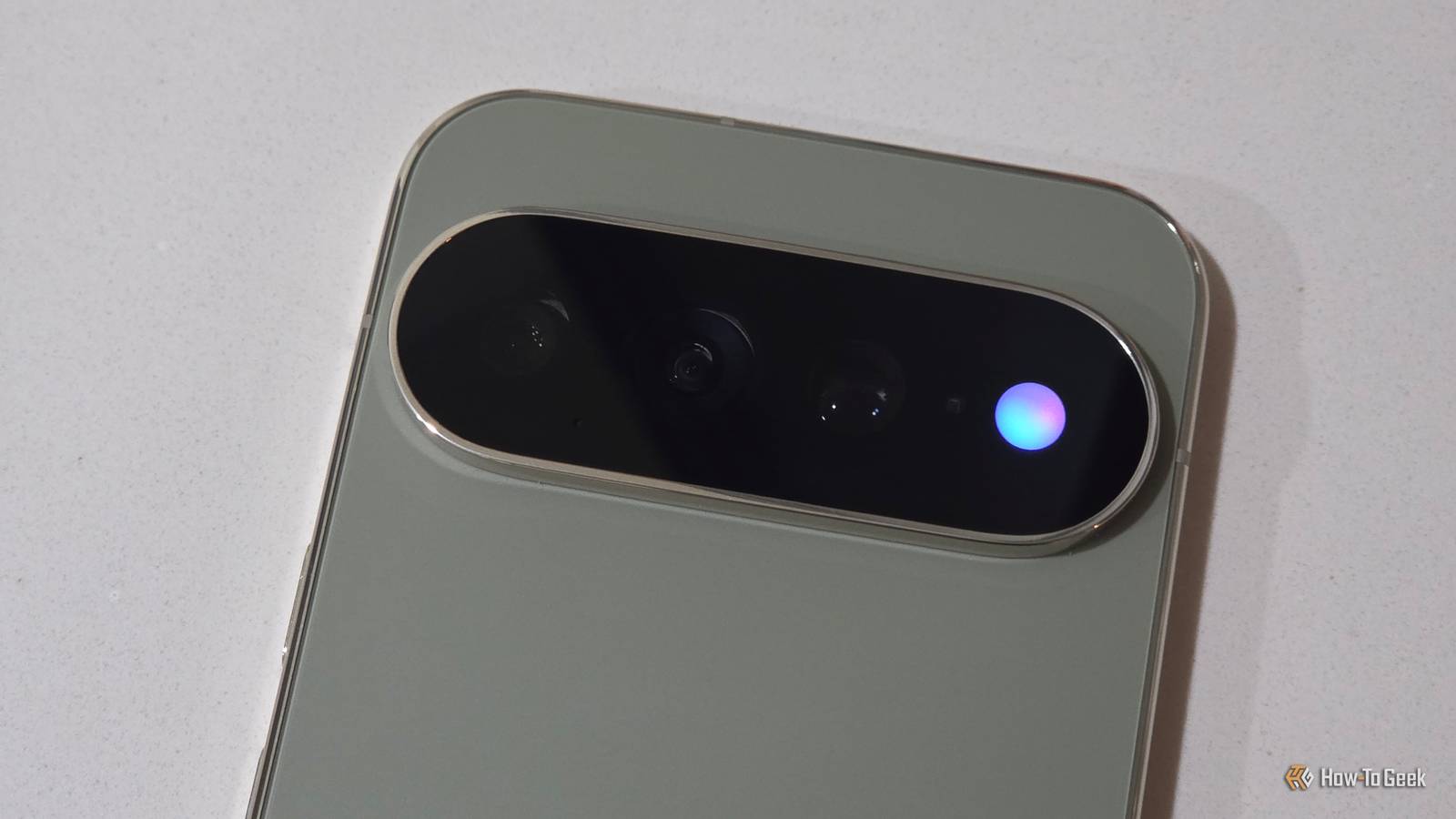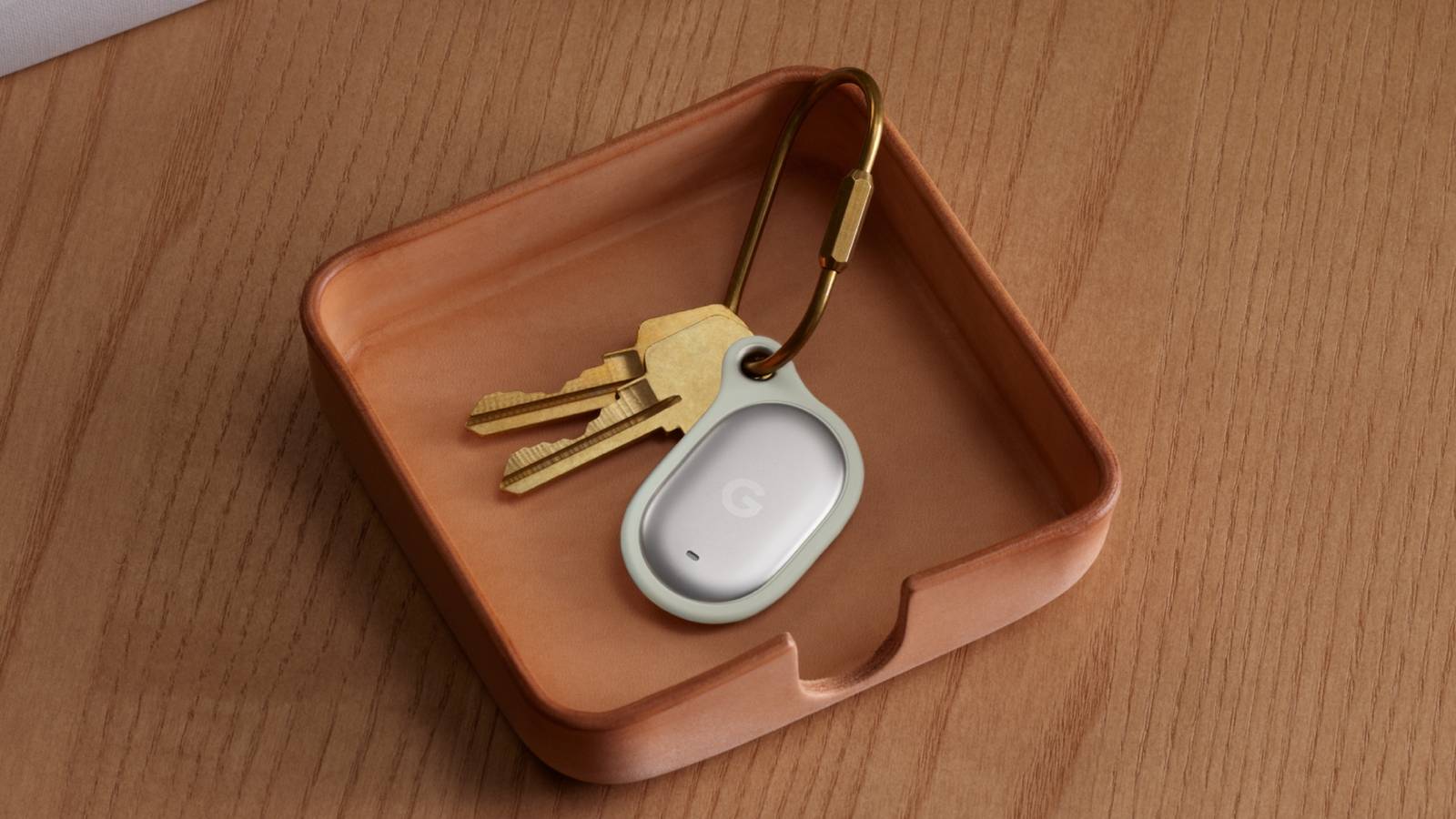
The Pixel Tag gives Android users their first true first-party rival to Apple's AirTag, backed by Google's massive Find Hub network.But after looking into how it actually works, one omission stood out immediately, and it's the single feature I've wanted from an Android tracker for years.What it's lacking No simultaneous support for Find Hub and Find My Google's Pixel Tag ties itself exclusively to Find Hub, the crowdsourced network formerly known as Find My Device, and there's no other way to pair it.
Outside direct Bluetooth range, the tag relies on nearby Android phones to anonymously relay its last known location to Google's servers, all end-to-end encrypted so even Google can't see exactly where the device sits.With Ultra-Wideband precision finding reportedly on board alongside IP67 water and dust resistance, the hardware itself is a legitimate answer to the AirTag, priced close to Apple's tag as well.What the Pixel Tag doesn't do, though, and what no first-party tracker from either company does, is broadcast to two networks at once.
Once you set up a Pixel Tag on Find Hub, it reports only to that network.If you own an iPhone, or share a household with someone who does, that device is functionally invisible to your tag, since Apple's Find My network won't recognize or relay location pings from anything that isn't broadcasting the correct signal.This isn't unique to Google — and I'm not singling out Google here by any means.
Third-party trackers that advertise support for "both" networks only mean you can choose one platform during setup, not that the tag talks to both at the same time; switching later requires a full factory reset and re-pairing.The Pixel Tag works exactly like every other single-network tracker already on the market, just with a Google logo on it.Why this is important Bigger networks mean faster, more reliable recovery The reason simultaneous network support matters comes down to simple math: a crowdsourced finding network is only as useful as the number of nearby devices that can detect and report your tag's location.
Apple's Find My network runs by default on essentially every iPhone, while Android's Find Hub requires users to manually enable a setting called "Network in all areas" to unlock its broadest coverage, meaning fewer Android phones actively contribute than the raw device count suggests.For most people, this asymmetry is invisible until they lose something in a place their tracker's network doesn't reach well.Airports, mixed-ownership households, and cities with a heavier iPhone presence are exactly the scenarios where relying on a single network becomes a liability.
If a Pixel Tag is attached to a backpack and it goes missing somewhere dominated by iPhones, the tag has no way of getting picked up unless an Android phone happens to walk by first.On top of that, that Android phone might not even have the specific toggle it needs to broadcast the tag's location.A tag that could broadcast to Find Hub and Find My at the same time wouldn't ask users to pick a side.
It would draw on Google's stated figure of more than a billion Android devices and Apple's comparably massive iPhone install base at once, meaningfully raising the odds that a lost item gets spotted quickly.That's a different outcome than choosing the "better" single network and hoping for the best.There's also a practical convenience angle for anyone who switches phones or lives in a mixed household.
Right now, moving a tracker from one ecosystem to the other means a factory reset and a fresh pairing process, not a toggle in a settings menu.Are there any alternatives that have this? A few trackers support both, but not at once Close A handful of trackers already market themselves as compatible with both Apple Find My and Google Find Hub, and they're worth knowing about if this feature matters to you as much as it does to me.Chipolo's Pop, priced at $29, is probably the best-known example, alongside Pebblebee's fifth-generation Clip, Card, and Tag Universal trackers, KeySmart's SmartCard Gen 3, and Rolling Square's AirCard Pro line.
The catch is the same across all of them: compatibility isn't simultaneous.Each of these trackers connects to a single network at a time, chosen during initial setup, and switching between them requires a factory reset before re-pairing with the other app.Chipolo has been fairly explicit that this is a deliberate design decision rather than a technical limitation waiting to be patched, since a tag simply can't function on both networks at once as things currently stand.
As of now, no consumer Bluetooth tracker from Google, Apple, or any third party genuinely broadcasts to both major finding networks at the same time.The Pixel Tag had a real opportunity to be the exception, given Google's control over both the hardware and the Find Hub software stack, but it chose compatibility with its own ecosystem over interoperability with everyone else's.For what it's worth, though, this probably isn't up to Google to implement either.
Even if it could tap into Apple's Find My network, it'll probably have a hard time actually relaying Find My info to Android phones, or Find Hub info to iPhones — which is the scenario where it would become useful.This is one of those things where Google should go all-in and annoy Apple until it eventually opens up Find My, just like it did with RCS.It can be way more useful this way.
One network still isn't enough The Pixel Tag is a solid AirTag alternative, but its refusal to bridge Find Hub and Apple Find My keeps Android users boxed into one crowdsourced network.Until a tracker broadcasts to both simultaneously, mixed households and travelers will keep losing out on faster, more reliable item recovery.
Read More