The youngest driver in the house often ends up with the oldest car in the driveway, or at least that is how it always went when I was growing up.When your teen takes the keys to a “hand-me-down” vehicle for the school year, there are a few things you can ask your mechanic to look at, or even do at home, to ensure its long-term reliability.At one point in my automotive career, I was a service advisor at Luxury Auto Mall of Sioux Falls in Sioux Falls, South Dakota, a BMW, Cadillac, Mercedes-Benz, and Sprinter dealer under the Rydell Group.
The list below includes services we provided (or recommended) to our customers during the back-to-school season, many of whom had kids driving second-hand vehicles.And although it’s been about 15 years since I worked for the Rydell Group, not much has changed when it comes to making sure your teen’s car is ready for the upcoming school year.Oil changes and tire rotations Your mechanic will do a multi-point inspection An oil change and a tire rotation are the two best things you can do for your teenager’s car before they head off to school.
These days, most dealerships and service shops will take care of both in the same appointment, along with a quick tread-depth check on all four tires and the spare if your teen’s car has one.Routine oil changes and tire rotations give technicians a chance to perform a multi-point inspection on your teen's vehicle, allowing them to get a closer look at everything from the brakes to the suspension.As a general rule of thumb, if other things on your teen’s car need to be repaired, it’s best to focus on anything safety-related.
For example, if you are budgeting for repairs, brake pads, tires, and certain suspension components would be a priority over minor engine leaks.If you like tinkering and enjoy working on cars, tasks like oil changes and tire rotations are doable at home with basic tools and little driveway or garage space.The most important thing is sending your teen off to school with fresh oil, preferably a full synthetic or synthetic blend, which should last them through the fall semester.
Related I’ve changed and rotated my own tires 100+ times—here’s how to do it safely With a handful of basic tools and about an hour of free time, you can handle the job yourself and save the money.Posts By Joe Kucinski Engine air filters and cabin air filters These are sometimes overlooked but easy fixes An engine air filter clogged with a summer's worth of dust can make your teen’s vehicle work harder than it needs to, burning more fuel as a result.Likewise, a new cabin filter can make a world of difference for a teen dealing with fall allergies.
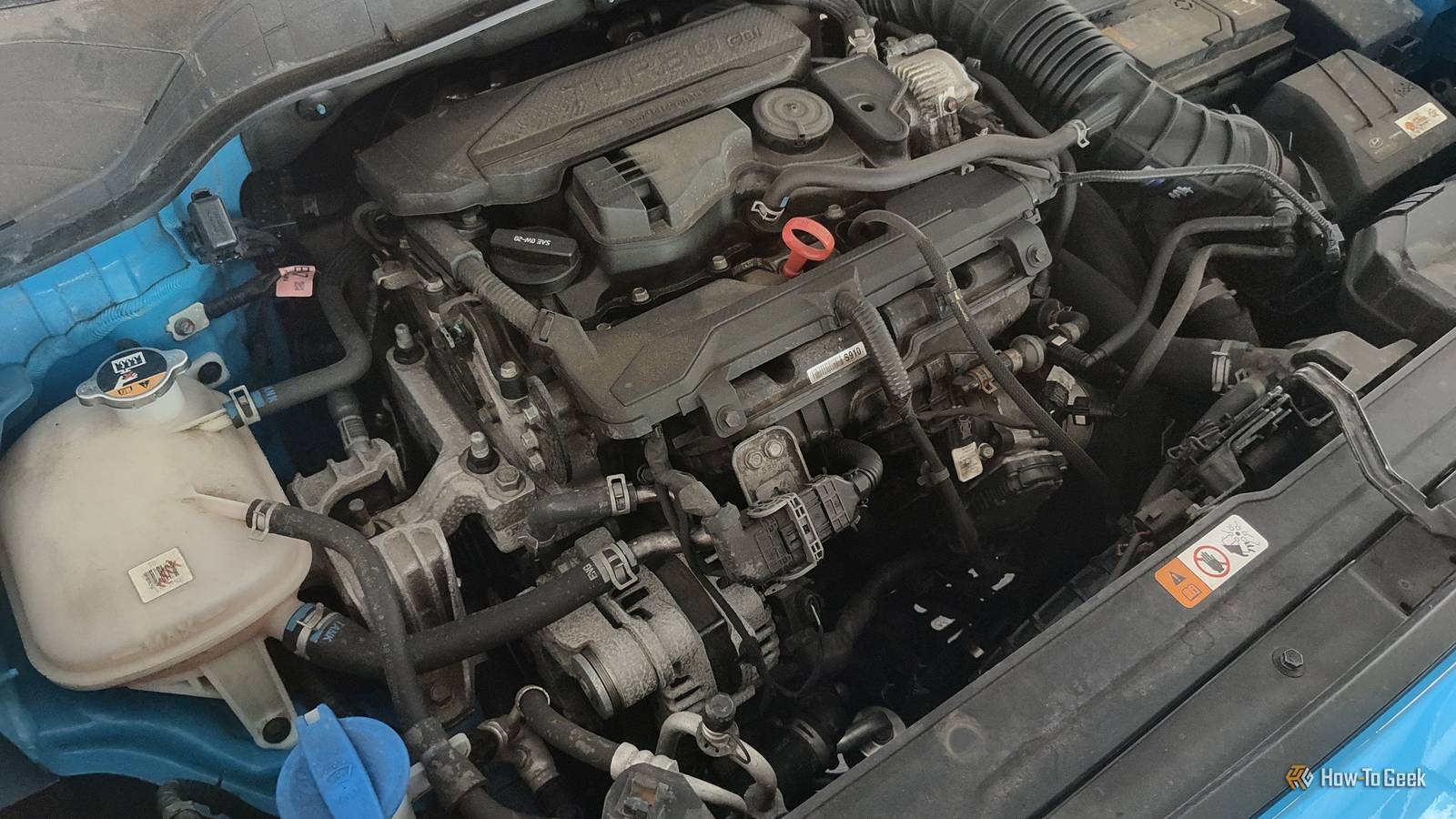
In the dash camera footage above, you can see me driving around the Detroit metro, including merging onto I-696.This was back in mid-July, when air quality alerts spiked across the country due to the wildfires.Back in April, I had my Hyundai in for its 60,000-mile service at my local dealer.
They replaced both the engine and cabin air filter at that time, and given the air quality alerts here in Michigan this summer, I’m glad they did.While change intervals for engine and cabin air filters vary by make and model and where you drive, if you can’t remember the last time you had them changed, it’s probably time to do it.As noted above, if a technician is performing a multi-point inspection on your teen’s car, they will remove the filters and do a visual inspection.
If you are handy and want to save on labor costs, you can check and replace both filters yourself at home.An engine air filter that looks gray or caked with dirt, or blocks light when held up to a bulb or the sun, is due for a swap.Replace the cabin filter if it's covered in dust or debris, or if you notice a musty smell when the AC kicks on.
Related Keep your car running and your wallet full: DIY tips to slash repair costs DIY car maintenance is easy and can save you time and money Posts 4 By Joe Kucinski Ask your mechanic about the major fluids Having them changed or flushed can prolong the life of your teen’s car Beyond the oil, three primary fluids—transmission, coolant, and brake—keep a vehicle running for the long haul, although you could add power steering to that list if your teen has an older vehicle with a hydraulic system rather than an electronic one.Transmission fluid lubricates and cools the gears inside the transmission, allowing your teen’s car to shift from one gear to the next without hesitation.There are some instances where a drain-and-fill could be preferable to a full flush of the system, so ask your mechanic specifically about your teen’s vehicle.
Engine coolant, often called antifreeze, circulates through the engine block, absorbing heat generated by combustion and transferring it to the radiator for dissipation.Healthy coolant also contains corrosion inhibitors that plate the metal surfaces of the engine block and radiator to protect against oxidation.While many vehicles today may advertise a "lifetime" coolant, the protective additives don't last forever.
When it comes to brake fluid, there is a preventive maintenance aspect since new fluid contains corrosion inhibitors that protect the metal lines and pistons.More importantly, however, is the safety aspect, as healthy brake fluid helps ensure your teen’s car stops as it was designed to.If you are unsure, the best place to start to determine if you need any of these services for your teen’s vehicle is to take a look at the owner’s manual.
There is a section that details the maintenance intervals by mileage and what is included at each interval.From there, you can ask your mechanic or dealership service department more specific questions.Consider engine additives As a final step, you can look at different additives for your teen’s car to help with fuel economy, cold-start performance, and the overall protection of vital engine components such as camshafts and pistons.
While additives are not a substitute for regular oil changes and fluid flushes, they can be a reasonable, low-cost step for a higher-mileage car about to see a lot more daily driving when the semester starts.
Read More