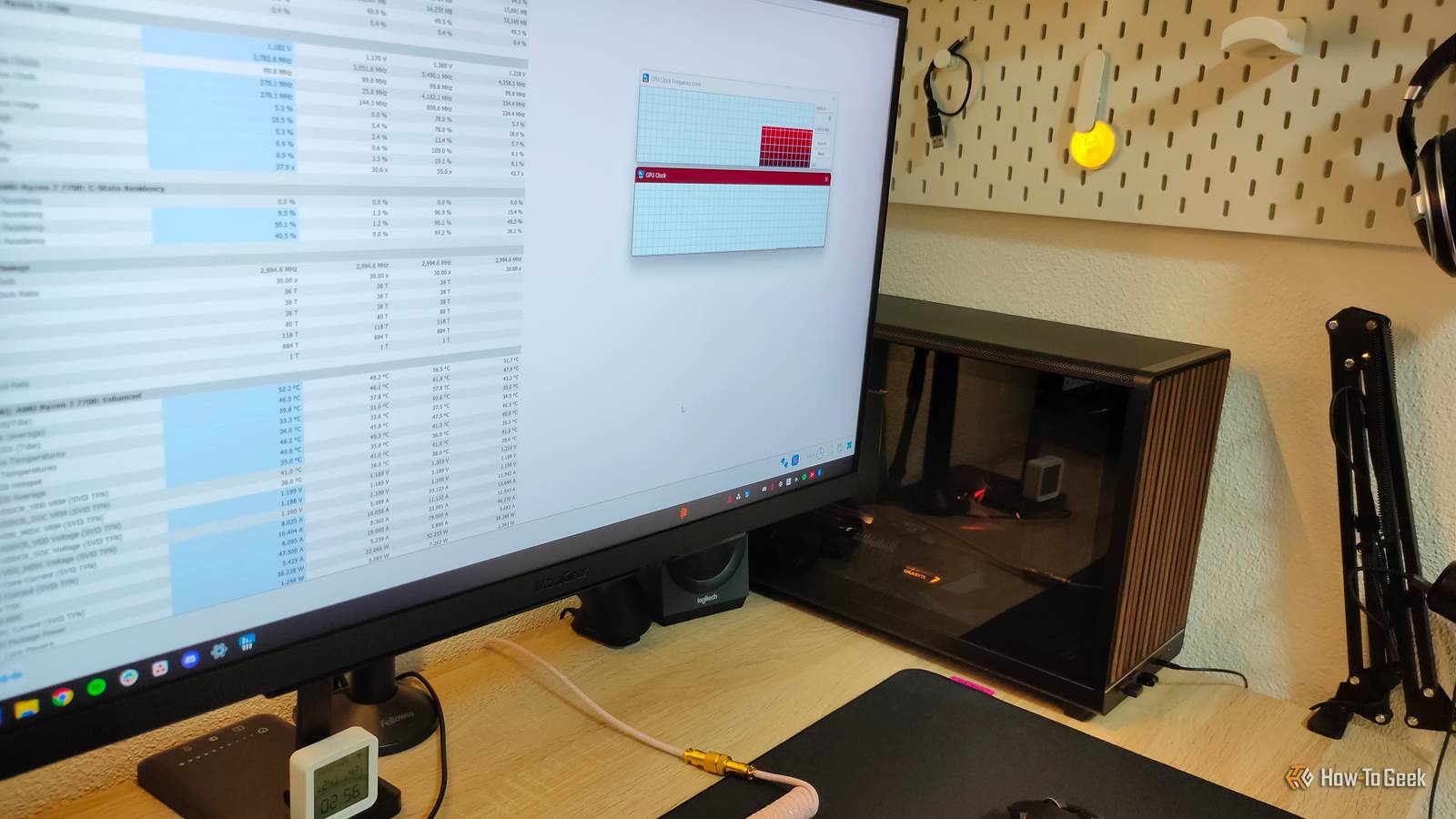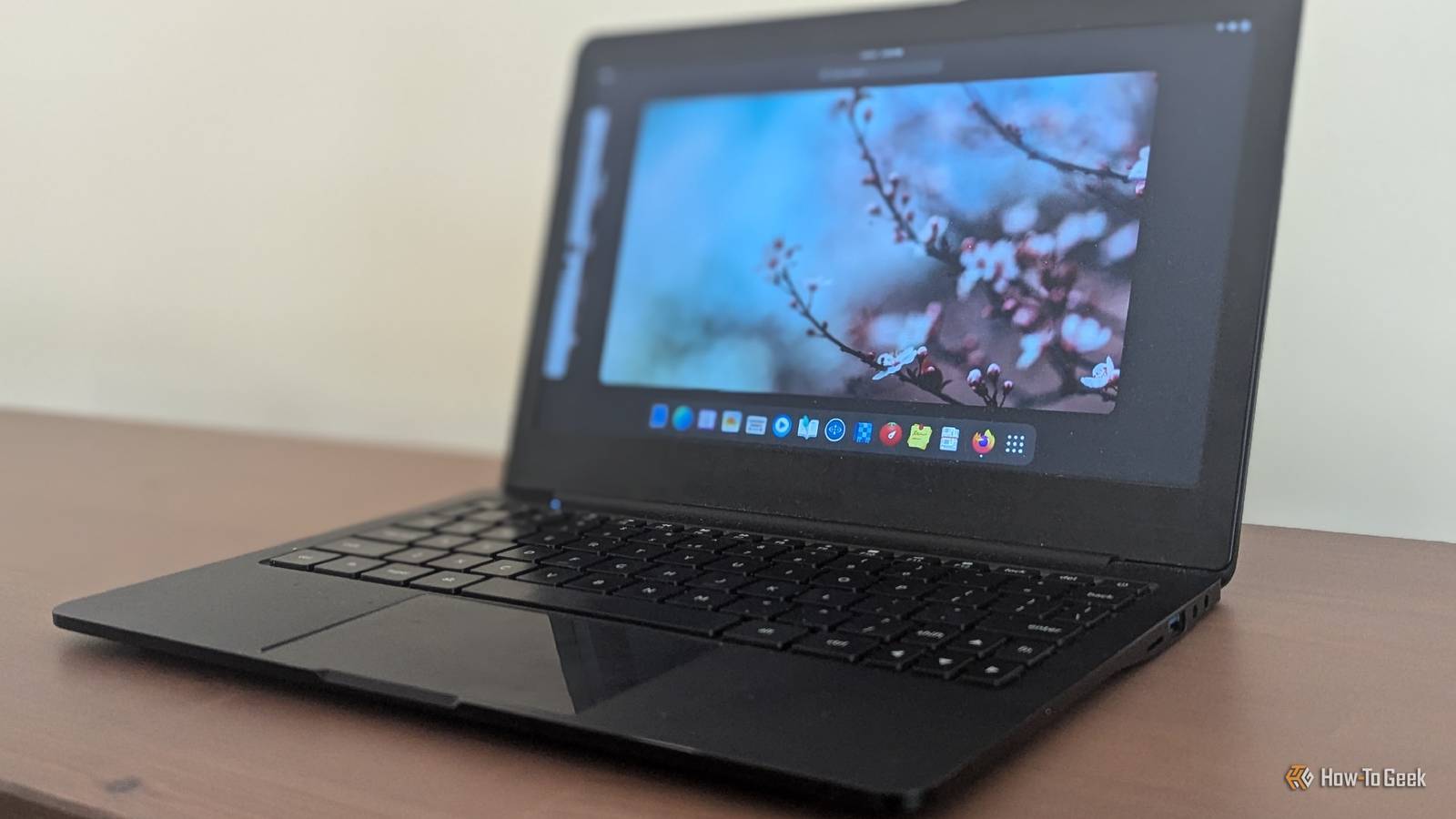
It's one thing to be told that if you switch to Linux you'll enjoy various benefits compared to Windows or macOS, but there are some positive things about the Linux experience you'll only pick up after using it for a while.Some are so subtle, you might not have consciously realized them until I point them out below, and others take a while to become obvious, but if you do take the Linux plunge, here are the bonus benefits you can look forward to.Your computer ages more slowly You might have heard that plenty of people on Windows 10 can't upgrade to Windows 11, because the newer operating system from Microsoft has some rather restrictive hardware requirements.
It's not really about performance, but specific modern features that Windows 11 considers non-negotiable.Well, as many people are discovering, not only will Linux happily run on these older computers, it will run with better performance than they did when new and running Windows 10.Yes, Linux just isn't as resource intensive as Windows, and there's no shareholder-driven corporate incentive to keep stuffing more pointless performance-draining bloat into the penguin-powered OS.
So if you put Linux on your PC today, it will probably keep running perfectly fine for as long as the hardware itself is functional.Your need to upgrade will likely be driven by your apps rather than your OS.You develop transferable skills instead of product habits After you've used Linux for a while, you'll realize that you're learning plenty of skills that transfer to other domains.
Switching between distros is usually smoother than you expect, because the similarities outnumber the differences.If you learn Linux on the desktop, you'll pick up the most important things you need to know to operate a Linux server, apart from the server-specific stuff that is.If you spend some time with the terminal, then you're also learning the language of all the non-PC Linux devices in the world—and there are a lot of them! Just using Linux normally implicitly teaches you more about how your computer works.
You can't just blindly copy commands from tutorials to troubleshoot.You need to have some level of understanding of what those commands do, so there's a stronger nudge towards becoming a more powerful and in-control user than you get with Windows and macOS.At least in my opinion.
The OS doesn’t redefine “normal” every year The people who volunteer their time to help develop and maintain Linux are not incentivized to constantly reinvent the wheel.There's no point in coming up with new dark patterns and no reason to confuse you with pointless changes to your workflow.That's not to say that the various popular distros of Linux stand still, or there are never unpopular changes made to those distros, but on average Linux is pretty stable.
Once you're comfortable, changes are generally gentle and long-term.So you're not spending time relearning how to do something for no reason other than corporate shenanigans.You stop solving problems by reinstalling Windows is a lot better about recovery than it has been in the past, but in the end, the fastest and easiest way to get your computer going again if something serious goes wrong is often just a fresh install, and the hope that your most important data is backed up in time.
Ironically, a broken Windows update might be the most likely reason your Windows PC breaks these days, but I digress.On Linux, as long as you don't mess with things on a whim, things are unlikely to go wrong.However if, for some reason, your Linux installation bites the dust, there's usually a way to undo the damage.
You can use GRUB Rescue to fix boot issues, or roll back the Linux kernel, as just two relevant examples.You notice how much other OSes hide from you Linux doesn't hide the inner working of the operating system.In Windows or macOS, there has been a consistent drive over the years to shield you from what goes on under the hood of the OS.
That's not an inherently bad thing.After all, you don't need to know how your car's engine works to drive safely, and you don't need to know the gritty details about your computer's operating system.Subscribe to the newsletter for deeper Linux insights Level up your Linux knowledge by subscribing to the newsletter for curated tips, clear troubleshooting guidance, distro comparisons, and practical insights into open-source systems that help you get more from Linux.
Subscribe By subscribing, you agree to receive newsletter and marketing emails, and accept our Terms of Use and Privacy Policy.You can unsubscribe anytime.On a modern Linux distro, you can also ignore all of that and don't have to spend time engaging with it, but if you want to know how things work, it's there.
You can poke a stick in the gears if you like and Linux won't stop you.Which is both a blessing and curse, but it is on balance probably a good thing in my personal opinion.Whether everyone thinks these more subtle aspects of using Linux are really significant benefits is pretty subjective, but there's no denying that Linux is an OS of a different flavor.
You might even call it an acquired taste, but maybe it's time for something with a little more bite to it.
Read More