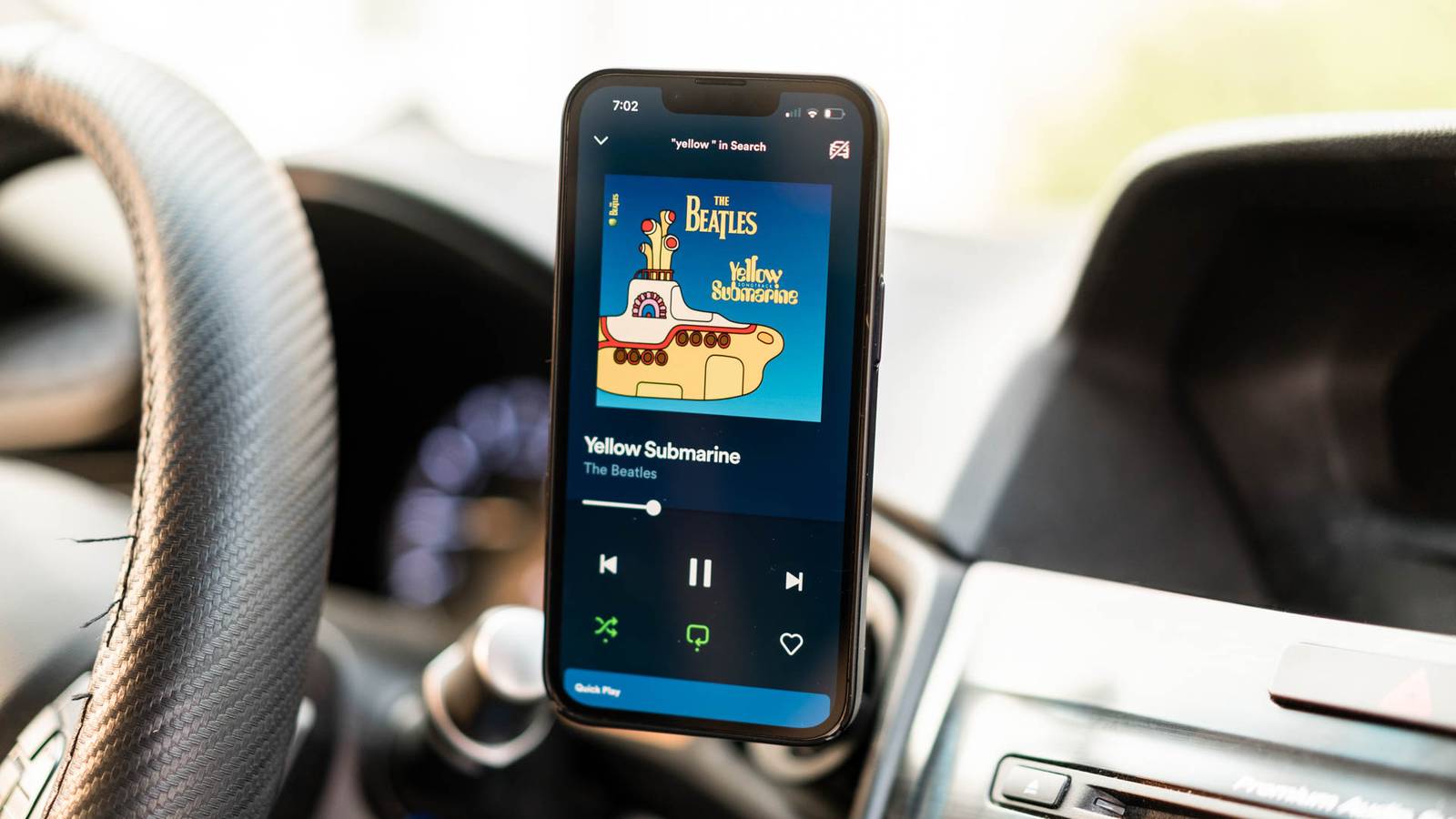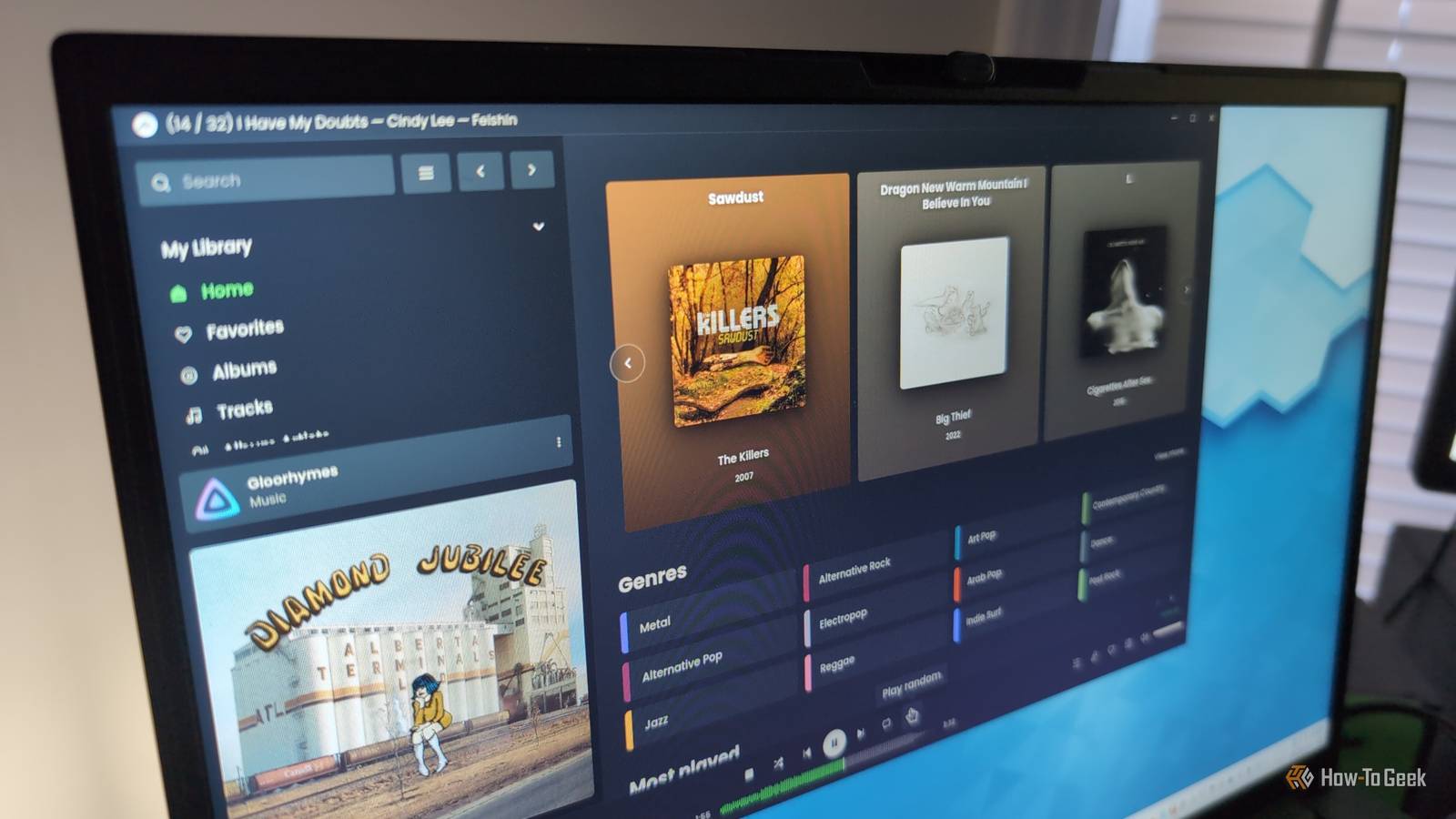
For many years, building a digital music library involved ripping CDs and downloading free songs.If you wanted a specific song or album, you'd have to find it and pay good money for it or wait until a used copy popped up for sale.Streaming services like Spotify flipped digital music on its head by allowing anyone to stream almost any song in the world, either for free with ads or through a small subscription.
However, when I started self-hosting my own media library for movies and TV shows on my NAS recently, I started to realize just how many trade-offs came with streaming.I've now switched entirely to streaming music through my own self-hosted home server using Jellyfin, and I'm never going back.The algorithm no longer decides what I listen to Taking back control One of the simultaneously worst and best features of Spotify is its algorithm.
It slowly learns your listening habits and shapes its recommendations into a generous feed of playlists made for you.Some are based on genre or artist, while others are mood or activity-based, and some are curated by a staff member.In any case, the goal is very straightforward—to provide you with a selection of playlists on the home screen so that you can start streaming music within seconds.
When you're new to Spotify, this algorithm can be a surprisingly effective way to find new music that you might like.When you constantly listen to Spotify as I do, you eventually realize that there's only a selection of a few hundred songs that Spotify will typically rotate through (especially if you don't go out of your way to explore new artists and genres).While I could absolutely make my own playlists, the convenience of the algorithm discourages me from trying.
The couple of playlists that I've made over the years got stale and boring, and I hardly use them anymore.But now that I've switched to streaming my own music, I've changed my approach to how I listen to music.Instead of being guided by what the algorithm thinks I want, I only listen to songs that I've made a deliberate choice to keep on my Jellyfin media server.
I've also been more motivated to listen to albums in the order artists originally intended, as well as making smaller, more curated playlists.Jellyfin OS Windows, Linux, macOS, Android, iOS, Fire TV, Roku OS, WebOS, Xbox, Price Free Jellyfin is the volunteer-built media solution that puts in control of your media.Stream to any device from your own server, with no strings attached.
Your media, your server, your way.Get started for free Expand Collapse Collecting CDs turned listening into something more intentional Discovering new music finally feels exciting again As someone who grew up in the early 2000s, I was lucky enough to be around back when music CDs and ripping music were at their peak.It didn't take long for me to build a fairly large collection of MP3s that I still have and listen to today.
However, I gradually lost interest in doing this once YouTube became popular in the late 2000s and early 2010s, and I eventually stopped collecting music CDs altogether when I started using Spotify in 2014.I only added some cheap or free songs I found online, but that was about it.Music used to require meaningful effort to obtain, but Spotify made almost any song just a search bar away.
However, now that I'm self-hosting, I finally have the motivation to collect and explore new music again, mainly by buying used CDs.I think more carefully about which songs to add, which gives every track some real emotional weight.This has turned into a fun little hobby for me, and it gives me a kind of “goal” of finding and buying cheap CDs whenever I go to a flea market or travel to another country.
As you can probably guess, I've discovered some really weird music from the 1970s and 1980s.Now that I am once again collecting my own music, my library feels like my own.Related Forget Vinyl and Spotify, I'm Going Back to CDs Jewel cases and all.
Posts By Jordan Gloor Nothing disappears from my collection without my say-so No more missing albums or changing catalogs I know that this sounds like a strange detail, but one of the biggest factors that pushed me away from Spotify was that my favorite band pulled its music from Spotify.And they’re not the only artists who aren’t on Spotify — lots of artists or specific songs have disappeared and reappeared (sometimes only in remastered form) on Spotify without explanation.Although Spotify has a huge selection of songs and features artists from all over the world, not every song that’s ever been made is on the streaming service.
Whatever the reason a specific song or an artist’s music isn’t on Spotify, the fact that a song can be removed or go missing for a short period without any explanation is a major red flag.But by self-hosting a service and managing my own copies, this simply can’t happen if I have backups.I can finally stop paying for Spotify Premium Ending recurring costs without losing access Spotify is technically free, but between the dozens of back-to-back ads it plays, it’s not exactly a smooth experience.
So if you don’t want your music constantly interrupted, a Premium subscription starts to feel worth it.Take control of your music: subscribe to the newsletter Subscribe to the newsletter for practical, hands-on coverage of self-hosted music: setup walkthroughs, curation ideas, backup and storage guidance, and gear tips to help you build and maintain a personal music library you control.Get Updates By subscribing, you agree to receive newsletter and marketing emails, and accept our Terms of Use and Privacy Policy.
You can unsubscribe anytime.However, I’ve personally grown tired of paying for services, especially when I feel like they don’t provide good value for the money.Spotify has steadily increased its subscription costs over the years, and while $12.99/month isn’t huge, it’s not insignificant either.
If you’ve been a long-time subscriber and look at how much Spotify has charged you over the years, the figure might be close to $1,000 — and the second you stop paying, the ads reappear.Had you put that money into an actual collection instead, you would by now have a massive library of thousands of songs that you could self-host and get practically an identical experience to Spotify, especially with the right Jellyfin client.If you’ve been paying for a Duo or Family Spotify plan, your family members can also easily shift to your self-hosted service.
This leaves even more budget for used CDs and potentially an even more diverse collection once everyone gets the CD-collecting bug.It goes without saying that you don’t lose the ability to listen offline either.You don’t even need an internet connection to access your home server, and you can download the music to your phone and take it with you if you don’t want to expose your server to the internet.
I traded convenience for control, and I’m okay with that If you read this whole article and still aren’t convinced it’s worth switching from Spotify to self-hosting, I understand.After all, the convenience of streaming services is the main selling point.That said, building my own streaming setup has been a genuinely enjoyable process.
For me, the combination of control, ownership, and the simple fun of discovering and collecting music is hard to beat.Related I Quit Spotify and Started Buying Music Again—It's Cheaper Than I Expected $12 a month for unlimited music isn't as unbeatable a deal as it sounds.Posts 13 By Jordan Gloor
Read More