Most of us have an old bookshelf speaker, soundbar, or Bluetooth speaker lying around somewhere.They still good, the problem is that they're not very "smart." If you want to get away from always-on microphones, sending data to Amazon, and a trend towards ever-increasing subscriptions, you can turn an old speaker into an Echo replacement.The open-source world has an entire stack of software that allows you turn almost any speaker into a smart speaker with a bit of work.
Some are complex, involved projects; others are practically plug and play.Plug your speaker into a Home Assistant Voice Preview An off-the-shelf box that turns any speaker into a local smart speaker If you want a private, local system without spending hours setting something up and troubleshooting, Nabu Casa's Voice Preview Edition is a reasonable choice if you don't need lightning-fast responses.It is a purpose-built device with a wake-word, two microphones, and an aux port that allows you to plug into a speaker.
It is as close to an all-in-one solution as you're going to find at the moment.You also need a Home Assistant server running on your network to handle the actual conversation.Nabu Casa's Voice Preview Edition costs about $70.
Build a "satellite" with a Raspberry Pi A DIYer's wheelhouse: A Pi, microphone, and a speaker Close If you have a Raspberry Pi sitting around in need of a project, you can build something called a Wyoming satellite.It basically functions as a network-attached microphone and speaker.You say something, then the Wyoming Satellite transfers your command back to a Home Assistant instance for processing.
You'll need a Pi, a microphone or microphone HAT, and your old speaker.A Wyoming Satellite doesn't do any on-device processing besides wake-word detection, so even a Pi Zero 2 W will work for this.Make sure you use the Wyoming satellite guides rather than old Rhasspy tutorials.
Rhasspy was technically deprecated in 2025 and is slowly becoming outdated.Create your own ESP32 satellite A cheap microcontroller that gives your speaker the ability to hear If you want a project that is more hands-on and technically involved, you can build your satellite using an ESP32 board.The ESP32-S3 is specifically popular for this use, but there are plenty of others you could make work too.
There are specific kits available, like the ESP32-S3-BOX-3, or you can piece the entire thing together.The entire setup is tiny, consumes next to no electricity, and if you're crafty, you can often conceal it your speaker.Just be sure not to damage any ports or vents you find if you have to modify the body of the speaker itself.
The tradeoff is complexity.All the speech processing runs on a Home Assistant server (or something equivalent), which involves some setup.Make sure to use ESPHome during your build, it'll save you time.
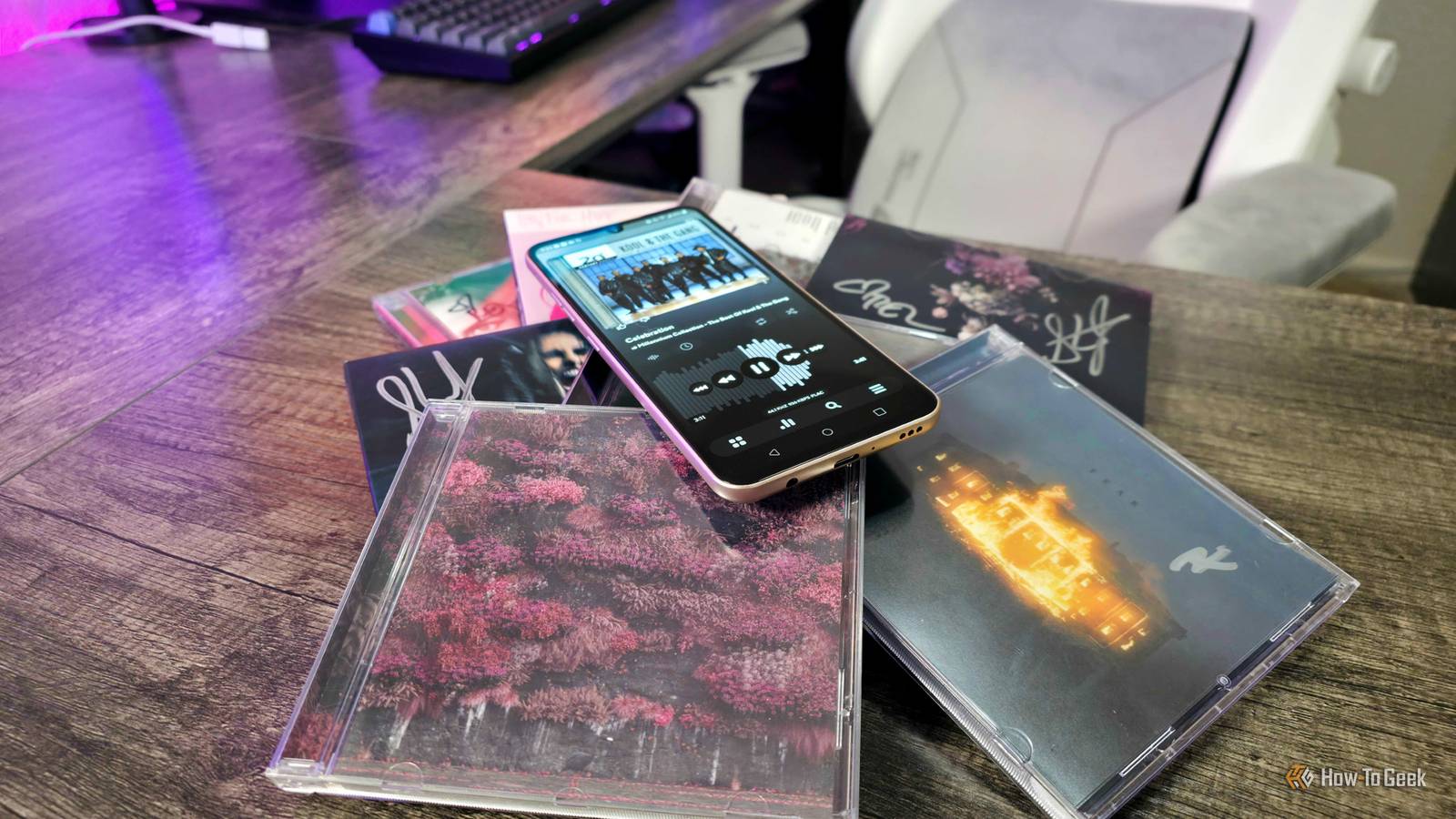
Repurpose an old Android phone as the brain No Pi needed You can create a local assistant without buying new hardware using a spare Android Phone.Home Assistant has a companion app that allows it to function like a small satellite; you can then pair it with your speaker via Bluetooth or the headphone jack, if your phone has one.Related I turned an old phone into the ultimate pocket music server Transform an old Android device into a self-hosted music server, pocket player, and retro visualizer.
Posts 1 By David J.Buck Keep in mind that phone batteries don't do well if they're left plugged in 24/7, and that third-party wake word support can be a little touchy.You may have to go with something that responds to a physical tap instead.
Run the full local AI setup on a home server You can self-host the entire brain on a local PC The most complete—and capable—replacement for an Echo involves running an entire AI stack on your local hardware.This is the approach that I use.My home server actually runs several AIs to create a fairly seamless experience.
Qwen 3:14b provides the "brain," llama 3.2 turns things I say like "turn down the music" or "That music is too loud" into specific commands," Kokoro synthesizes speech to give my setup a voice, and Parakeet gives the whole setup ears.That allows it to act, in many ways, like a full replacement for Alexa.I can talk to it normally, and it understands my commands; given a question, it can reason about the input I provide and synthesize an answer.
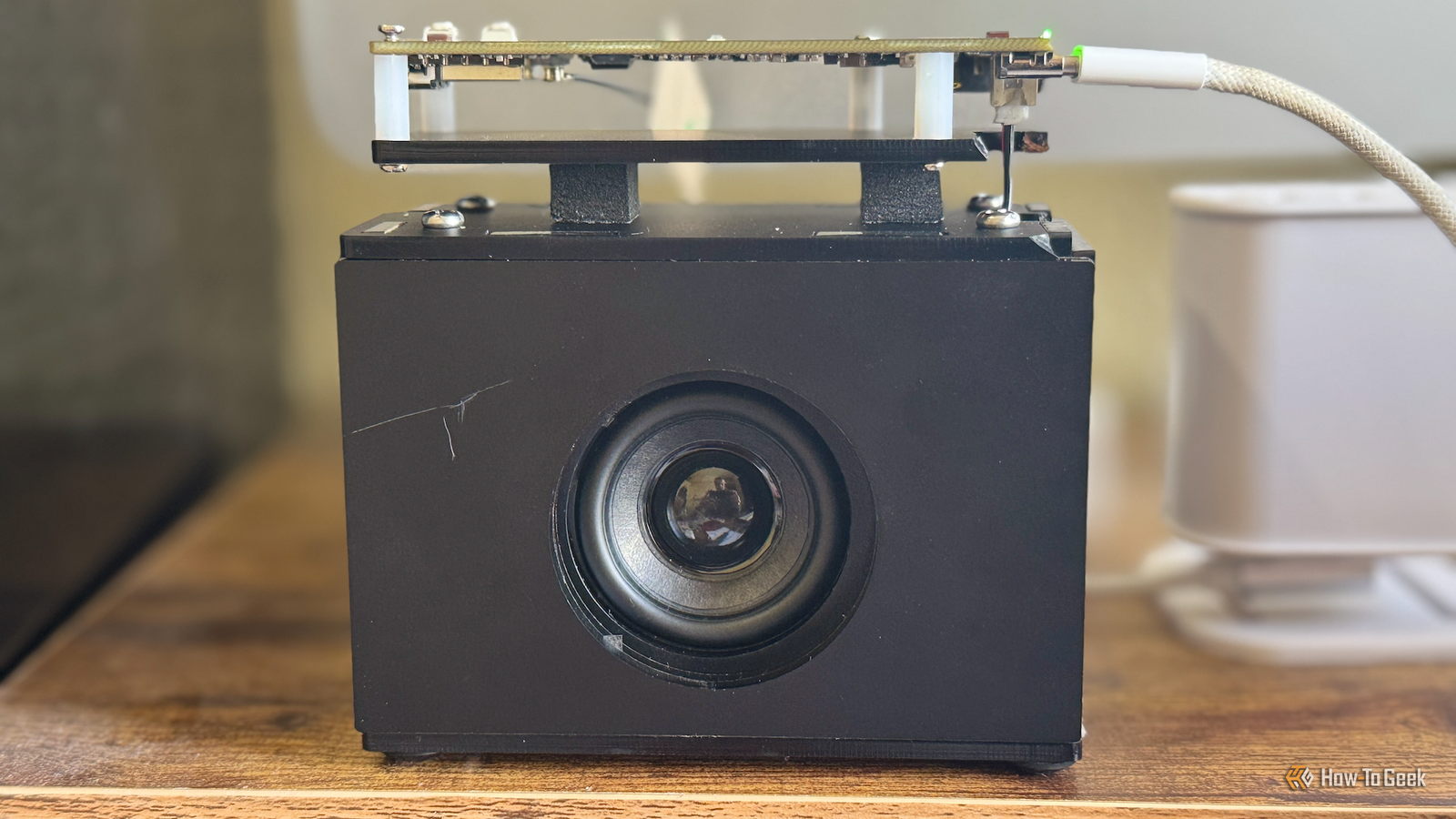
It even has a small personality file that biases it answers, so it isn't generic sounding.The test satellite is built using a Raspberry Pi Zero 2 W.Eventually, I'll 3D print a few cases and position them in a few different rooms.
The only drawback to this approach is that it requires at least one dedicated GPU to work well, which adds to the cost.There are many ways to start Once you have a speaker, there are a million ways to approach turning it into an Amazon Echo replacement.The simplest option is the plug-in option from Nabu Casa—there is very little manual configuration required there.
I'd recommend a Raspberry Pi as a satellite next, for a blend of capability and flexibility, and only add in the local AI stack running on a home server later you have the hardware for it.
Read More