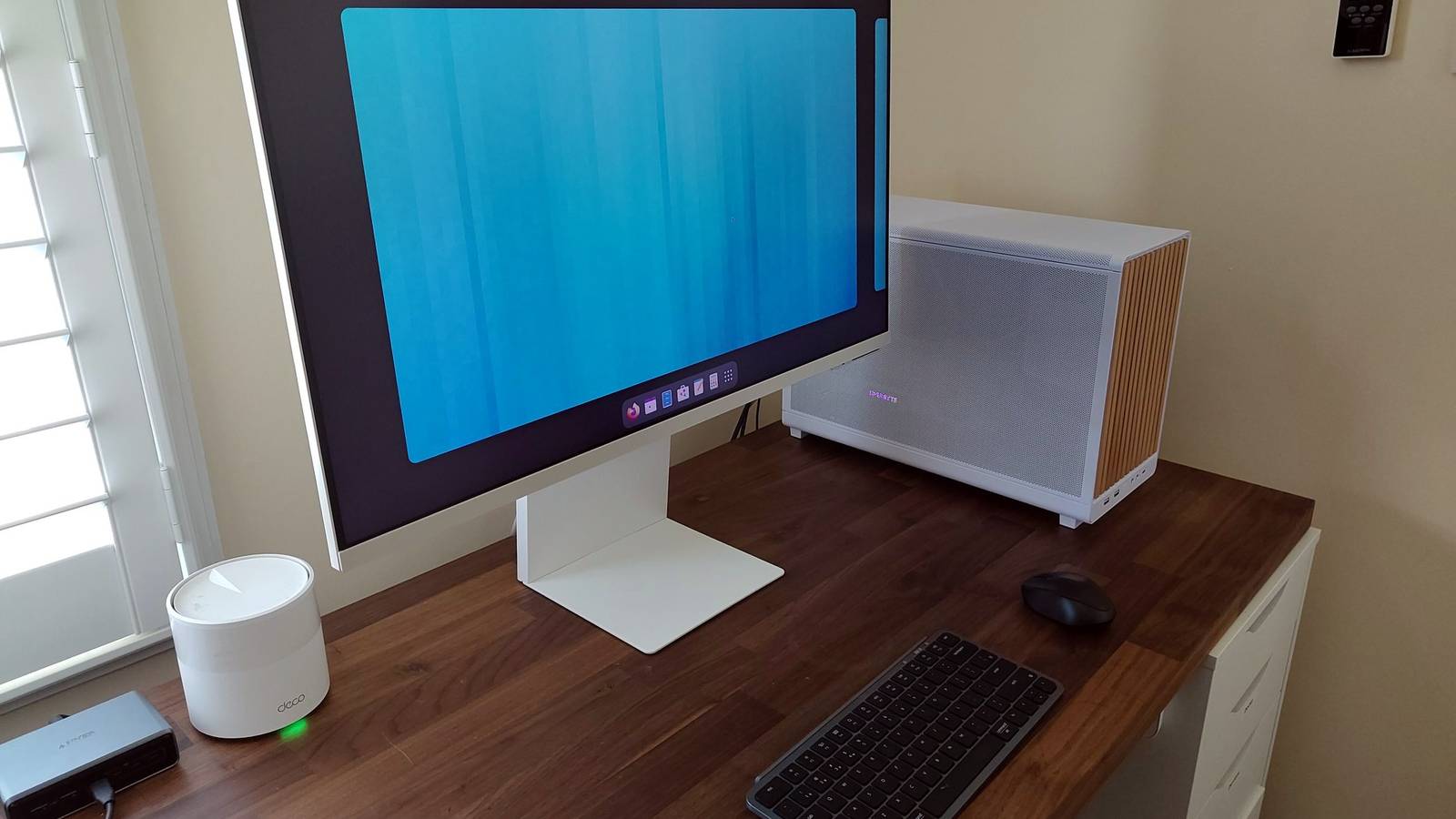
For the past couple of years, I've done most of my published writing from my phone.I know how weird most people find this, so I thought I'd try a traditional desktop PC.When my brother-in-law gave me his hand-me-down graphics card, I decided it was the perfect time to build a PC for the first time.
But after three months of giving it my best effort, it just isn't for me.I ran into too many friction points compared to using my book-style foldable phone as my PC.A desktop means having to work from the same place every day I've never felt so confined in my entire professional life Close I've spent most of my career hunched over a laptop.
While I largely worked in the same few spots each day, I was never fully confined to a single space — I could easily take my PC to a library, a public park, or a friend's house.Working directly from a foldable phone has taken this mobility a step further.I now voice-dictate drafts while walking.
I use my stylus to pen notes while I'm sitting in the car waiting for my kids to exit school.Switching my workflow to a desktop PC meant that I spent most of my working hours in the same corner of my home office.While I could still get some tasks done on my phone, it felt frustrating because I had become acclimated to the tools I used on my desktop.
I prefer to get familiar with one set of software and stick with it, rather than hop back and forth.To make my desktop workflow portable, I would need to invest in yet another machine.I'm actually less productive on a giant monitor With so much space, I find it hard to stay on task I understand why so many people cannot imagine getting any actual work done on a phone — even a foldable one.
You can obviously see so much more at once on a desktop monitor.Multitasking is easier, and desktop versions of apps offer many features that mobile versions don't.Yet for me, those benefits were ultimately canceled out.
With so much space available, I find myself wanting to multitask in negative ways.I wanted to open videos to stream off to the side.I lost far more time to mindless web browsing when it was so easy to open and juggle multiple windows.
I'm not going to pretend for a moment that it isn't easy to get distracted on a phone, but the fact that mobile devices are largely designed around single-tasking makes it much more obvious to me when I am switching away to do something else.That makes it easier for me to resist the urge.My internet connection is far more vulnerable It requires more equipment to stay online I've worked remotely ever since I graduated from college.
As a writer, I can pretty much use any device running any operating system.All I need is an active internet connection.This is one of the benefits of working from my phone.
While I have access to Wi-Fi more often than not, my phone automatically falls back to cellular data in those times that I don't.Since I have an unlimited data plan, I have internet nearly anywhere I go — even surprisingly deep in the woods.On a desktop PC, I felt surprisingly vulnerable.
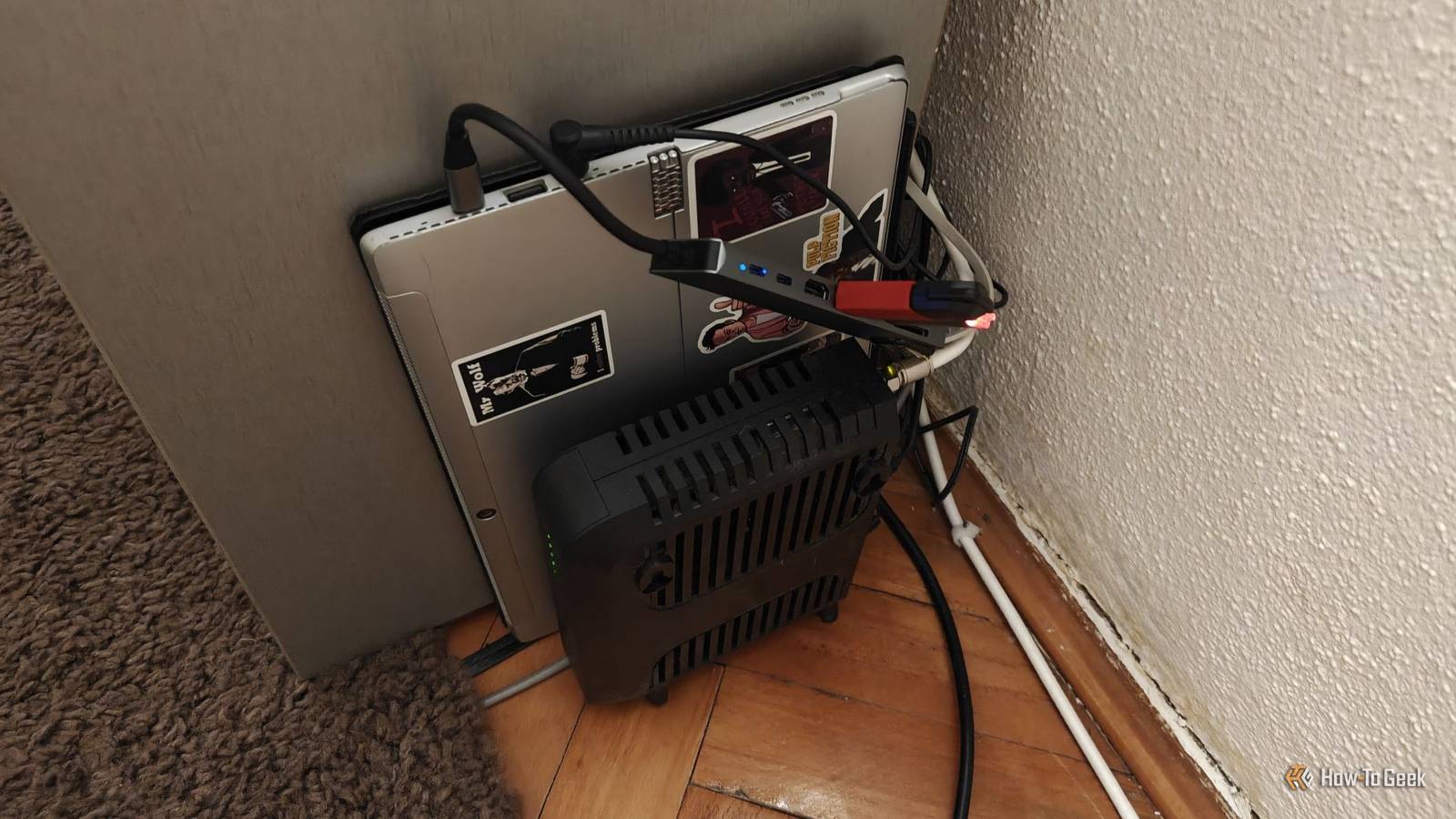
I didn't buy a Wi-Fi adapter for my PC at first, since I could use Ethernet instead.This meant that whenever Comcast had an outage, I couldn't just immediately fire up my phone as a backup hotspot.I learned my lesson and soon ordered a Wi-Fi adapter, though a travel router could also work as a fallback.
My energy usage goes way up Keeping my PC on during an outage takes a far larger investment I live in a net-zero home, with solar panels on my roof that provide more energy than our home uses in a year.I've also bought an abundance of portable power stations and given a lot of thought to making sure we can keep everything running when the grid goes down.That task is much harder when trying to power a desktop PC than my foldable phone.
My phone can run for an entire day and then be quickly topped up with a portable battery bank or even just an adapter in my car.By contrast, a desktop PC and monitor can easily pull 100 watts every hour.A PC demands more electricity in an hour than my phone requires over several days—and that's not including the other devices I have to keep powered for the PC to stay online.
I am again writing these words on a foldable phone My desktop PC experiment has come to an end.I've come to appreciate the freedom and flexibility of having a single device that does everything I need it to, wherever I am.Of the options currently available in the US, I find the Motorola Razr Fold has the fewest compromises.
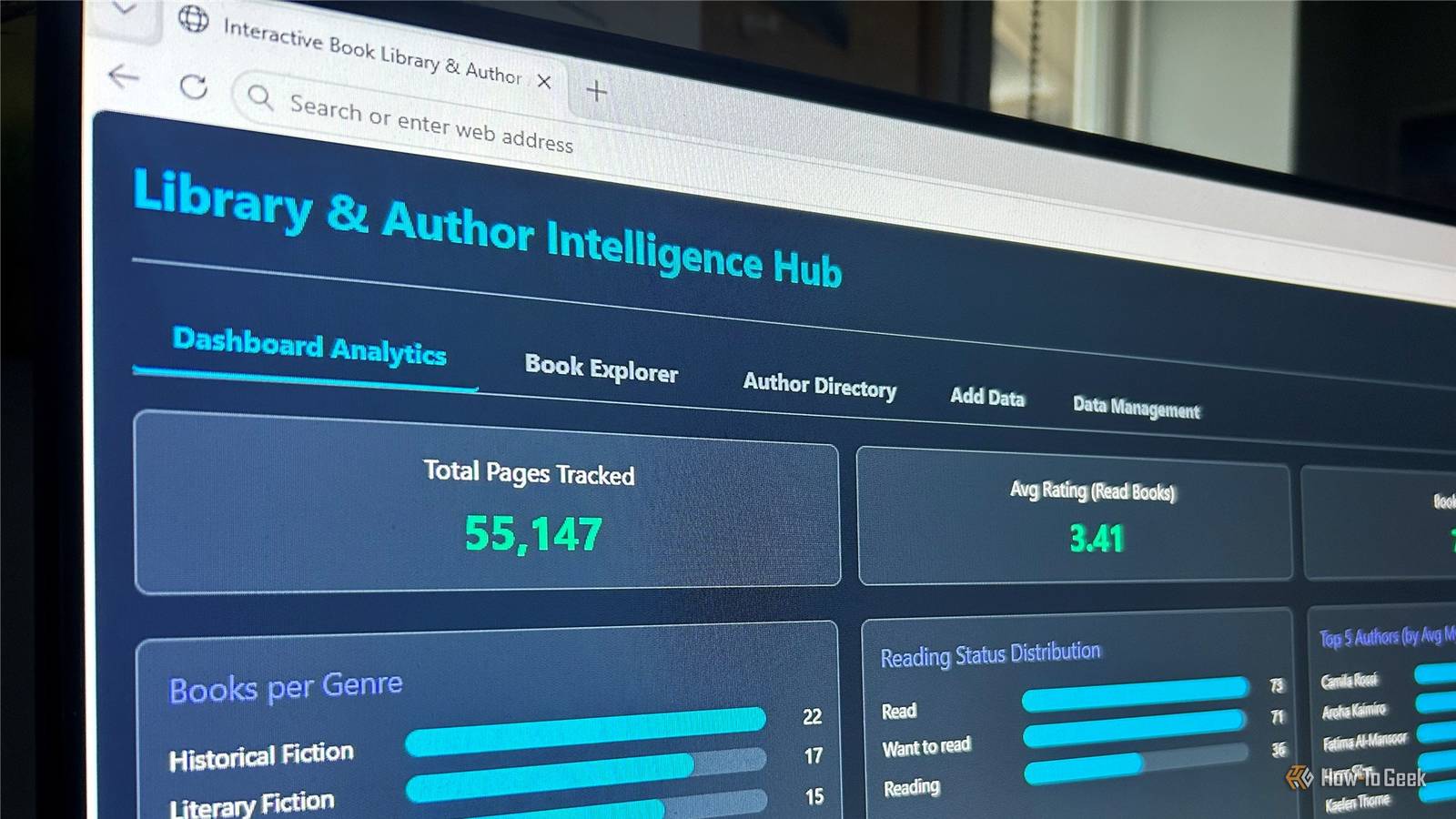
Motorola Razr Fold Motorola's Razr Fold (2026) is its first book-style foldable Android phone, offering high-end performance and cameras.$1900 at Best Buy Expand Collapse For the few things I can't do from my phone, a PC is surprisingly no longer required.I can now unload most of that onto a NAS instead.
Read More