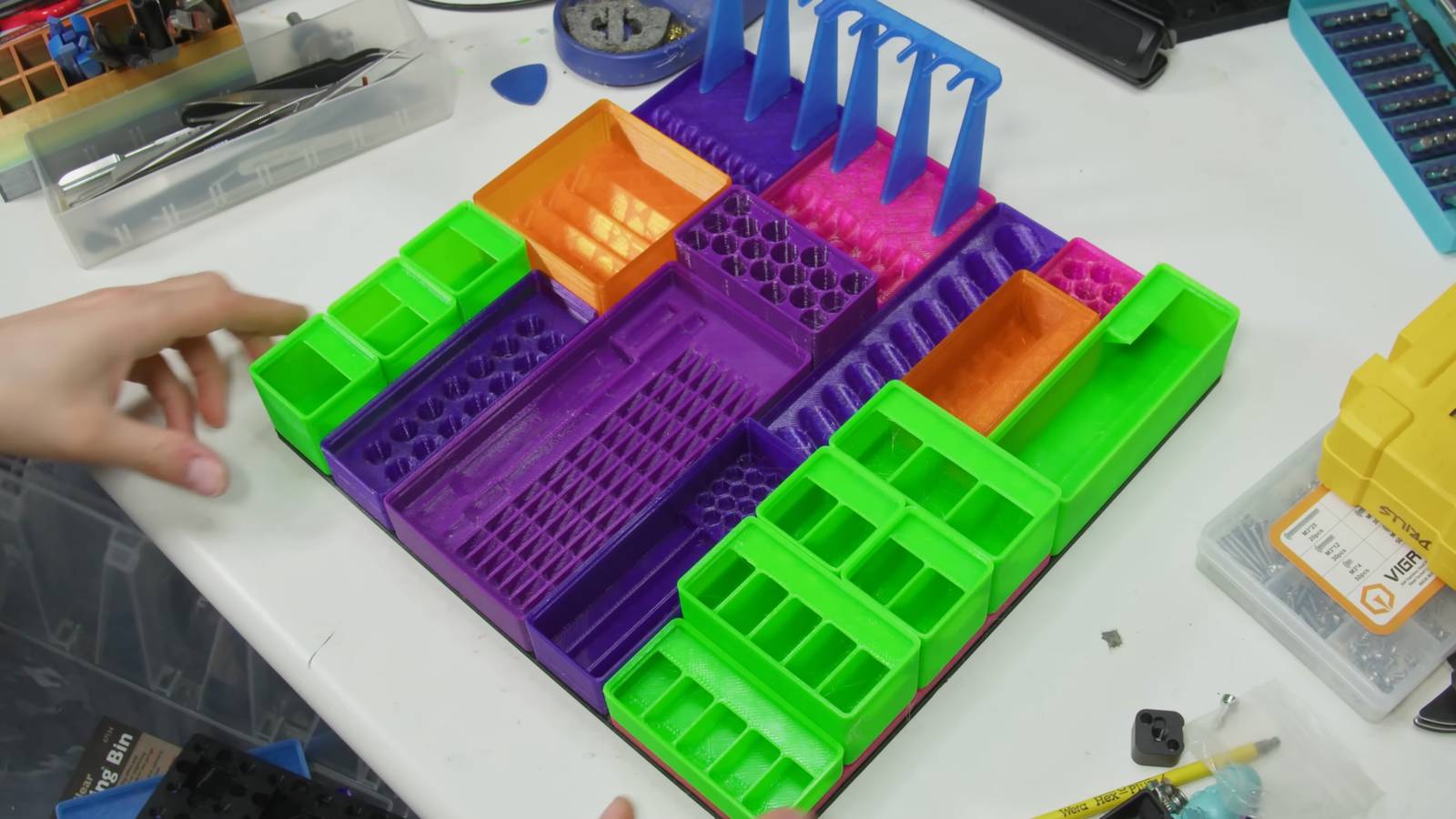
Looking for a 3D printing project that you can put to use before the weekend is out? Here are three ideas that will satisfy your urge to make something and provide utility around the home.Gridfinity The Gridfinity project is already fairly well-known among the 3D printing crowd, but it’s so good that it bears repeating for anyone who isn’t yet on board.Gridfinity is a modular, open-source grid-based storage system.
It was designed by Zack Freedman and released for free, having been based on Alexandre Chappel's Assortment System.These are customizable storage containers designed to organize drawers, workspaces, benchtops, and anywhere else that might need tidying up.You can peruse the catalog of objects, or you can jump in with a tool like the Perplexing Labs’ Gridfinity Generator that lets you design custom storage solutions for any space.
Bins sit on a baseplate that is designed to be attached to a surface, with the option of adding magnets to make organization even easier.Tools like Gridfinity Layout Tool can help you plan your designs before you commit to printing them.The possibilities that Gridfinity bins, drawers, stands, organizers, and racks offer are endless, particularly if you’re designing your own custom models.
Take a look at the r/gridfinity subreddit for some ideas on how to put the project to good use.Since the items themselves are relatively small, they don’t require much in the way of filament, and they’re fairly quick to print.Side spool holder A side pool holder might just be the first thing you should print on any 3D printer.
Enclosed printers are more common than ever, but most of them use a rear mounting mechanism for the filament spool.This means that the printer has to sit further forward than you might like, and it can also make it more difficult to change the spool when the time comes.The other issue is that rear-mounted spools of filament often mean that filament has to travel further, with more bends and sharp edges to navigate.
Mounting the filament on the side of the machine might not be a perfect solution (it does, after all, make the machine wider), but many machines support this method of mounting, and there’s bound to be a model available for your printer if you look hard enough.For example, you’ll find plenty of side spool holders for Bambu printers on Maker World, Prusa models on Printables, and many more on Thingiverse.If you’re tired of moving your printer to replace filament, which also means having to calibrate it frequently, give it a shot.
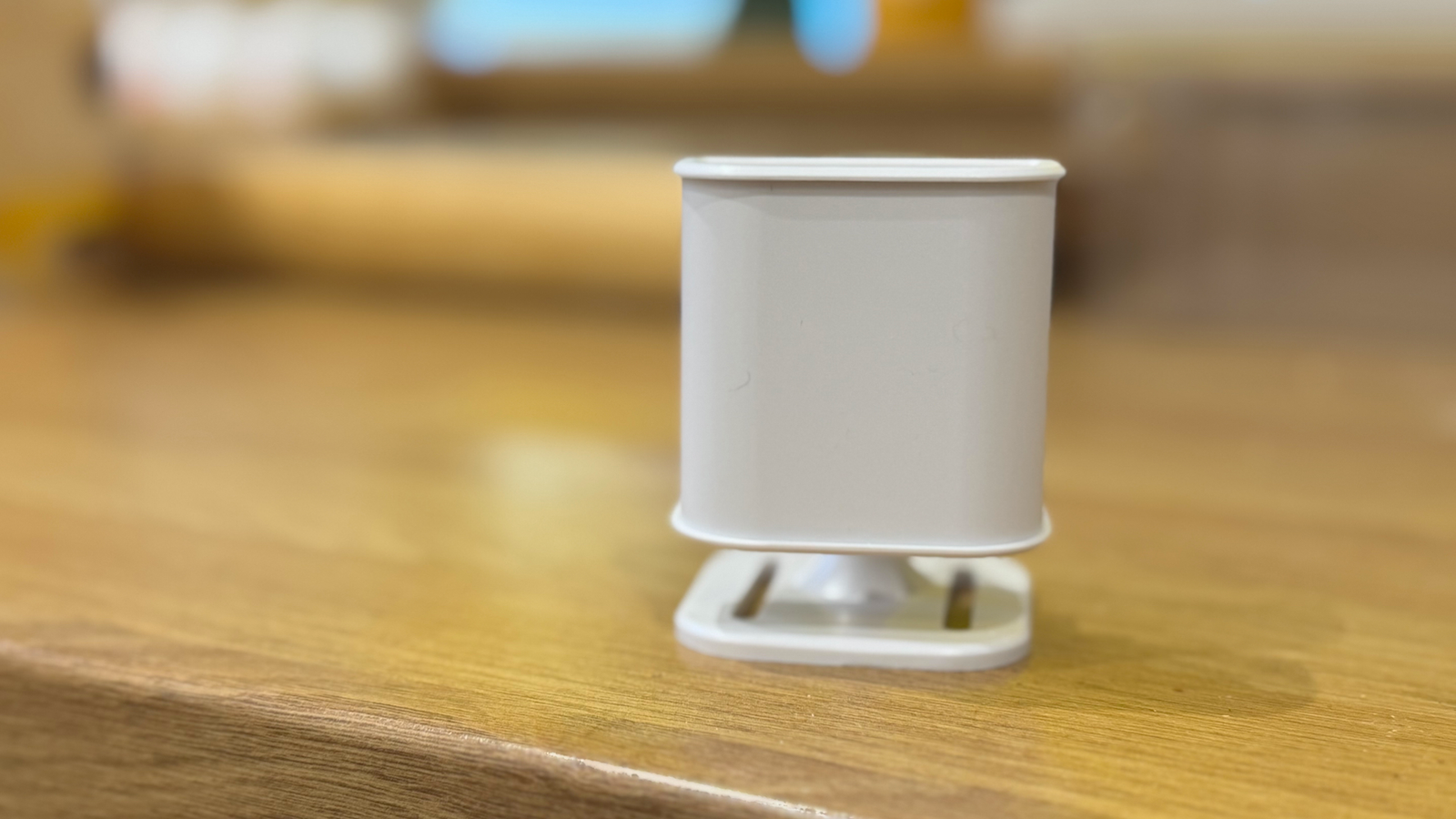
Auto-locking gravity towel hook I was browsing Maker World the other day (as you do), when this simple project jumped out at me.I’ve replaced some simple adhesive towel hooks in the kitchen three times this month, and the only reason I haven’t given up is because I bought a whole packet of them that I need to use up before I find a better solution.The gravity towel hook by yekta might be the permanent solution I’m looking for.
The closed design pinches the towel in place, which means I’m no longer at risk of tearing the whole hook off the wall when I pull down on it.Subscribe to our newsletter for ready-to-print 3D projects Find more curated 3D-print projects and printer-specific builds—subscribe to the newsletter for handpicked models, setup notes, filament recommendations, design tweaks, and easy mounting or finishing ideas to make practical, low-filament prints that fit your space.Subscribe By subscribing, you agree to receive newsletter and marketing emails, and accept our Terms of Use and Privacy Policy.
You can unsubscribe anytime.The design is available for use with strong double-sided tape or with a screw hole, which is the route I’ll be going since I don’t appear to be having much luck with adhesive these days.At only 23g of filament per hook, the project is cheap, with each hook taking about an hour to print.
One thing that I think is particularly clever about this design is the use of vertical lines that do a great job of hiding the filament layers.The same designer has a range of models that use a similar technique, which are worth a look.Of course, how the finished model looks depends on what filament you decide to use.
Now that you’ve got a few ideas for what you should be making this weekend, here are some 3D models that you might want to avoid printing (even if the internet keeps telling you otherwise).
Read More