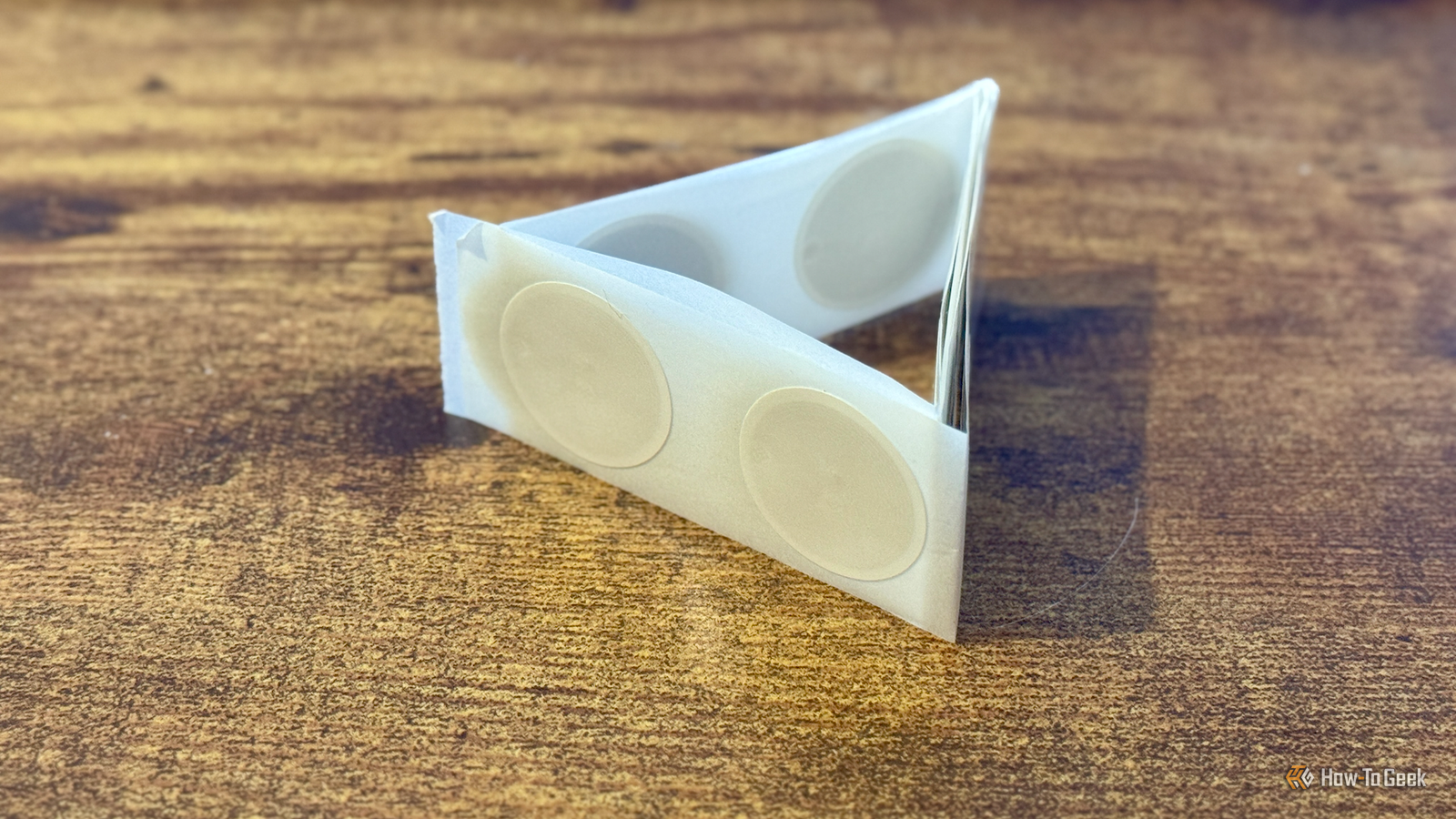
There are plenty of ways to trigger smart home automations.Schedules are great for things that you need to happen at the same time each day, and motion sensors are a good way to make automations respond to your physical presence.There are many times when a cheap NFC tag is by far the best option.
Logging things that don't happen on a schedule Tracking when I water my plants The problem with running automations on a schedule is that life isn't always that neat.I have a lot of potted plants in my home, and initially I set up reminders to water them every few days on a schedule.The problem is that this isn't the best way to keep your plants healthy.
Depending on the conditions, my plants sometimes needed watering sooner than scheduled, and other times they didn't need watering when the scheduled time came around.I was soon completely out of whack with my scheduled reminders.NFC tags solved this.
I can scan an NFC tag on the bottom of the plant pot to confirm that I've watered it, and the timer for the next reminder will start from that point.When I get the notification, if the plant doesn't need watering yet, I can use the actionable notification to remind me in a day or two.Once I water the plant and scan the tag, the whole process starts again.
Home Assistant Green Dimensions (exterior) 4.41"L x 4.41"W x 1.26"H Weight 12 Ounces Home Assistant Green is a pre-built hub directly from the Home Assistant team.It's a plug-and-play solution that comes with everything you need to set up Home Assistant in your home without needing to install the software yourself. $219 at Amazon Expand Collapse Triggering things that motion sensors can't cover reliably Track inventory when you take it out of the drawer Motion sensors are great for a lot of automations, but there are plenty of situations where a motion sensor simply isn't accurate enough.For example, I have drawers for different types of batteries, and I wanted a way to be able to count how many I've used so that I know when to buy more.
A motion sensor could tell when I'd opened the drawers, but it couldn't tell which drawer was opened or how many batteries I'd taken out.With an NFC tag in each drawer, I can scan it, tap the notification that pops up to record how many batteries I've used, and my counts always stay accurate.Related How to Create Smart Home Automations That Are Personal to You and Your Family Use this simple approach to identify what you can automate around your home Posts 1 By Ben Lovejoy Avoiding false triggers from pets or other movement A tag only fires when you mean it to Another major problem with motion sensors is that they're not only triggered by human motion.
If you have pets, your motion sensor can't tell whether it's you that's just walked into the room, or your dog.This can really mess your automations up.Pets are clever, but they're yet to learn how to use a mobile device to scan an NFC tag.
This means that when a tag is scanned, you can be almost certain that it was done by a human and not your cat.Automations that need to run when you're sitting still Start bedtime on your own terms Getting your bedtime routine to run when you want it to is a challenge.A schedule is no good, because even if you go to bed at exactly the same time every night, you may not want the lights to turn out at exactly the same time if you're reading or took a little longer to get your pajamas on.
A motion sensor is also no use, since you're probably fairly still when you're lying in bed reading or looking at your phone.The best option is to use a physical trigger, and while a smart switch can work well, an NFC tag is also a great choice.You can scan the tag, and your automation will only run when you want it to.
Confirming that you did something Presence doesn't equal action There are plenty of jobs that need doing in my home that my smart home can nag me about, such as putting out the trash.The challenge is knowing when I've actually completed them.For example, my video doorbell can detect that I've gone outside the night before the trash collection is due, but it can't confirm whether I actually put the right bins out.
By scanning an NFC tag on the bin, I can be certain that the task has been completed and stop the pestering notifications.I use an NFC tag on the container of my medication for the same purpose, so that my smart home knows when I've taken it.Automations that need to know who triggered them Build personalized automations This is one of the biggest benefits of NFC tags, which can make them even more useful than smart buttons for some automations.
When you scan an NFC tag, it can pass on the ID of the device that scanned it, allowing you to determine not just if the tag was scanned, but by whom.For example, if you scan an NFC tag on your washing machine when you start the cycle, the automation can send a notification to the person who scanned the tag when the cycle is completed, rather than everyone in your home.Limiting automations to specific devices It's an older code, sir, but it checks out Another benefit of this feature is that you can set up automations that will only run when specific devices scan an NFC tag.
If any other device scans the tag, the automation won't run.For example, you could put an NFC tag outside your garage.When you scan the tag, the correct device ID is recognized, and your garage door opener will open the garage.
If anyone else tries it, however, the device ID won't be recognized, and the garage door won't open.NFC tags open up even more possibilities There are plenty of automations that will work perfectly running on a schedule or triggered by a motion sensor.For the cases where these triggers aren't ideal, an NFC tag can often be a cheap and effective solution.
Read More