I've always been the kind of DIYer who ends up with a lot of weird problems to solve.Between cars, motorcycles, vintage arcade games, pinball machines, guitars, and the endless list of things that break when you own a home with a small farm, there's always something that needs attention.The real value of a multimeter isn't that it fixes anything by itself.
It doesn't.What it does is stop me from guessing.Before I buy a new battery, order a replacement part, toss a cable, blame a charger, or assume some old piece of gear is finally dead, I can take a few quick measurements and at least know where to start.
That matters because a dead gadget, vehicle accessory, or piece of equipment isn't always as dead as it looks.A multimeter tells me where to start looking The real win is narrowing down the problem before I spend money I've written before about how much money soldering has saved me over the years, and a multimeter falls into that same category for me.It's not exciting in the way a new power tool or tech gadget is exciting, but it's one of those basic tools that saves you money over and over again.
A multimeter doesn't make me a professional electrician or mechanic, and it doesn't magically diagnose every problem sitting in front of me.What it does is give me a place to start.That matters more than it sounds, because most repairs go sideways when you start replacing parts based on a hunch.
I've done this in the past, and it’s come back to bite me (mostly in the wallet).I'd rather spend two minutes checking voltage or continuity than spend an afternoon taking something apart only to find out I guessed wrong.That happened recently after I replaced all six batteries in my golf cart, which was not a cheap or easy job.
At first, everything seemed fine, but after a few minutes, the cart started slowing down like the batteries were dying.Pulling golf cart batteries in and out is a pain, especially after you have just finished doing the job once.With the multimeter, I didn't have to guess which battery was causing the problem.
I was able to check the pack, isolate the two weak batteries, and get them replaced under warranty instead of tearing the whole thing apart blindly.Related A digital multimeter saved me hundreds in AirTags, dead batteries, and broken remotes A digital multimeter is the surprise companion you never knew you needed.Posts 9 By Jorge A.
Aguilar The same thing happened with my truck.The electrical warning light came on, but the engine still seemed to be running fine.Instead of assuming it was just a bad battery, I checked the voltage with the engine running.
It was sitting around 12.2 volts, which told me there was an issue with the charging system.Most likely, the alternator.If the alternator was working properly, I'd expect to see something in the high 13s or 14 volts while the engine is running.
That one quick check didn't replace a full diagnosis, but it told me the charging system was where I needed to look next.Those are some recent examples, but the same logic applies to other small repairs too.I've used the same meter to check guitar cables, pedal power supplies, fuses, pinball machine circuits and lights, chargers, and old electronics where the first question is simply whether power is getting where it's supposed to go.
The first things I check before replacing anything Start with the simple stuff, but know when to stop Before I replace a part, I usually start with the boring checks.Is the battery actually charged? Is the charger putting out the voltage it claims to? Does the fuse still have continuity? Is a cable broken internally even though it looks fine on the outside? Is power making it to the device in the first place? Those are the kinds of questions a multimeter can answer quickly, and they’re often enough to keep me from buying the wrong part or tearing into something that didn't need to come apart.That doesn't mean a multimeter gives you permission to poke around inside anything with wires.
There's a big difference between checking a car battery, a guitar cable, a fuse, or a low-voltage power adapter and digging into a power supply, appliance, amplifier, or anything connected to household current.Some components, especially capacitors, can hold a charge even after something is turned off and unplugged.That's where a useful tool can become a dangerous one if you get overconfident.
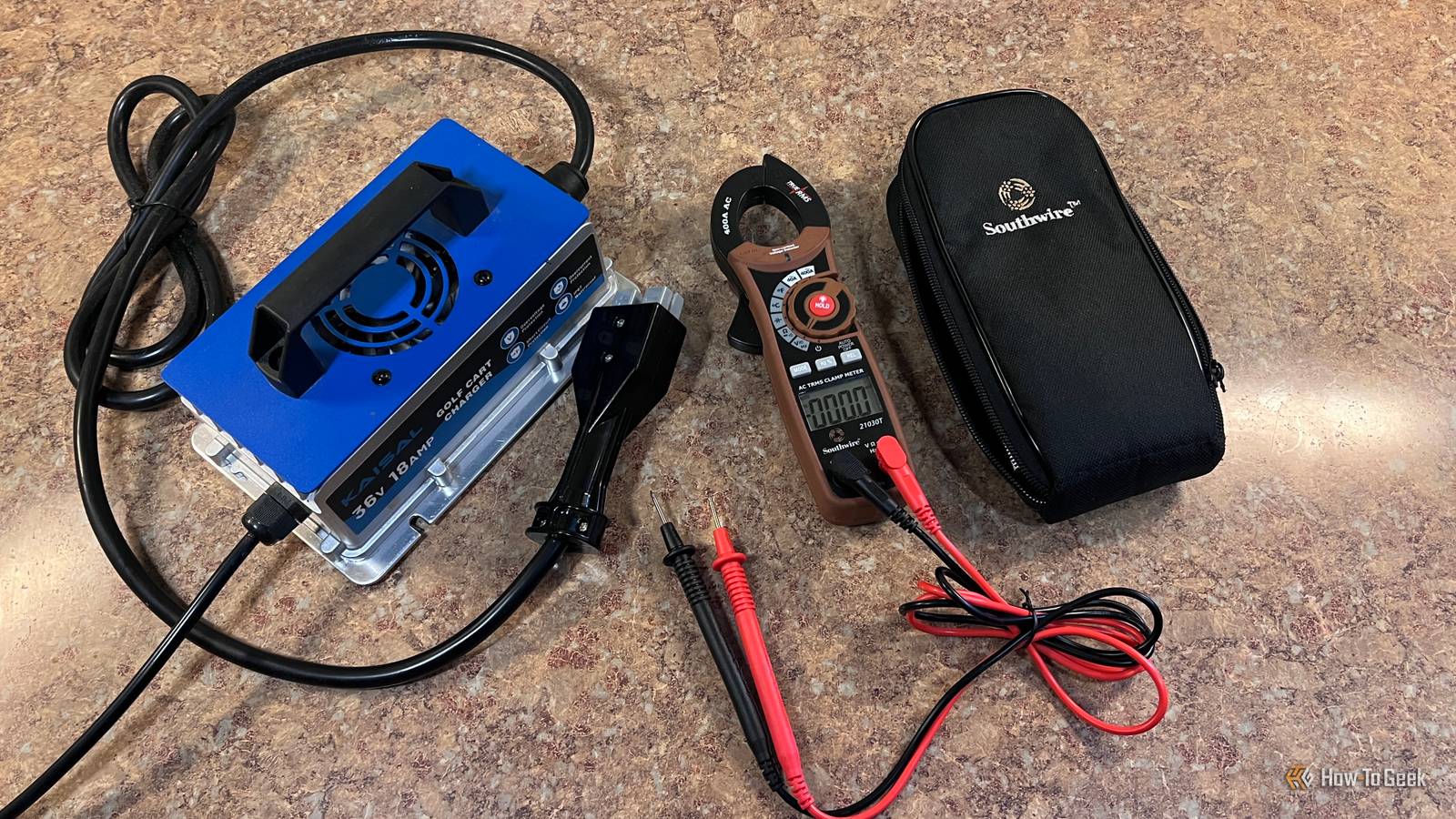
For me, the multimeter is the first step in deciding whether a repair is simple, something I can safely tackle, or something I should leave to a professional.Southwire Digital Multimeter 21030T A 400A AC clamp Meter with True RMS offers the features needed for the professional electrician.$63.33 at Lowe's Expand Collapse The real upgrade is knowing before you spend You can spend a lot of money on a multimeter, and if you work with electronics every day, there are good reasons to buy a better one.
But for most homeowners, car enthusiasts, musicians, and DIYers, you don't need a professional-grade meter to start making better repair decisions.A basic multimeter that can check voltage, continuity, and resistance is enough to answer the first questions that actually matter.That's why mine has become one of those tools I reach for before I start ordering parts or tearing things down.
It doesn't fix the golf cart or my guitar amp, but it keeps me from chasing down the wrong problem.That's the real value.A multimeter turns a bad guess into a quick check, and over time, that can save you a lot more money than the cost of a decent multimeter.
Read More