The ESP32-C6 doesn't look like much at first glance.It’s small, cheap, and the kind of thing I tend to lose in a drawer.But if you look closer, you'll find a tiny board that packs almost everything you need to build your own custom smart home device.
You get wireless connectivity, general-purpose input and output, and full sensor support right out of the box.It makes it easy to solve the specific problems that off-the-shelf gadgets tend to ignore.Instead of settling for a pre-made device that almost does what you want, you can build something that does exactly what you need it to do.
The smart home still has too many gaps DIY lets you build a smart device for home The smart home market is full of a huge range of products, but it still has shortcomings.You can buy smart bulbs, plugs, and thermostats all day long, but it's much harder to find a device that'll work nicely with your freezer, a specific garage layout, or a bathroom fan that reacts intelligently to humidity instead of just running on a timer.This is where DIY hardware can shine.
A custom device only has to solve your specific problem; it doesn't need a mass-market appeal or an app that works for millions of people on dozens of different devices.The ESP32-C6 is a great place to start.It is a tiny, cheap, wireless brain you can build into a custom smart device for $5.
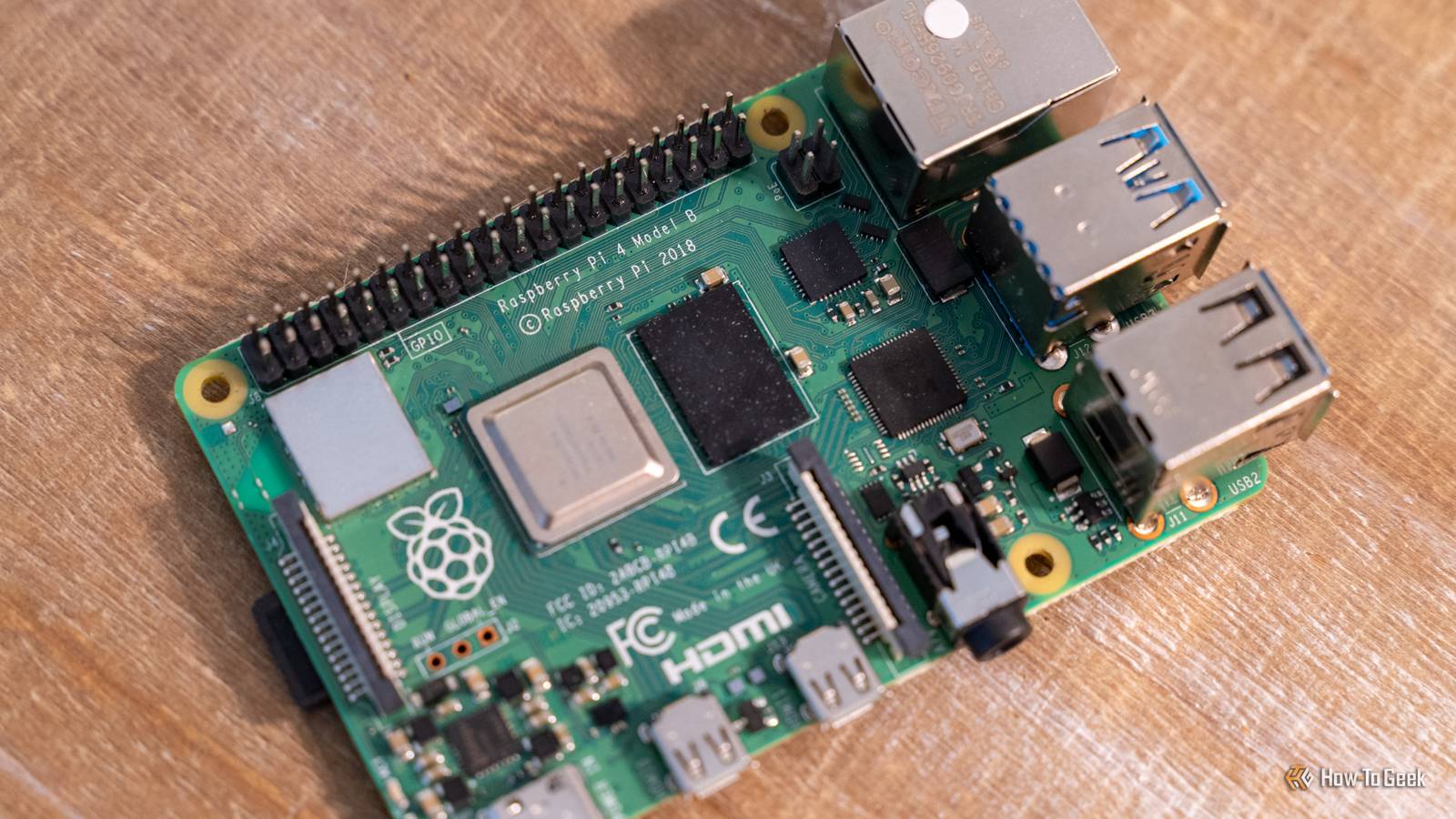
The ESP32-C6 is a great base for any DIY smart device The IO options are great A smart device needs more than just an internet connection; it needs a way to connect to sensors and control physical components.The ESP32-C6 supports up to 30 GPIO pins depending on your model.Some of those pins have an analog-to-digital-converter (ADC), enabling you to work with analog components, and others feature support for SPI, UART, I2C, and JTAG.
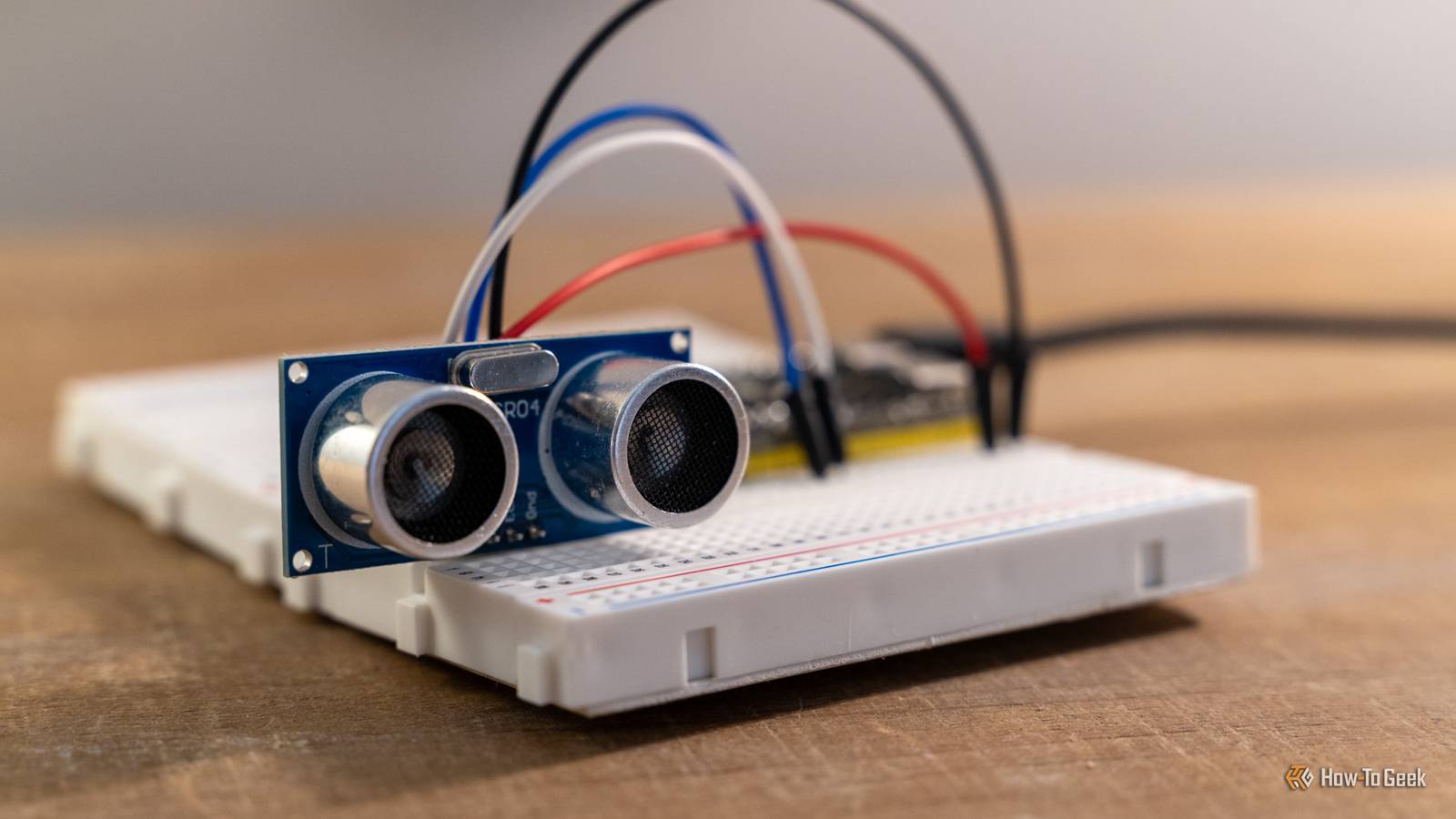
That mix of physical input and output options ensures you have plenty of options.You can use the board to read a button, monitor a door contact, talk to a temperature sensor, or power an LED.Related 5 ESP32 projects you can finish in under 1 hour 5 quick projects that actually solve real problems Posts By Patrick Campanale Its wireless mix fits any smart home The wireless support on the ESP32-C6 is a big part of what makes it such an interesting option for a range of DIY smart home projects.
Out of the box, it supports 2.4GHz Wi-Fi 6, Bluetooth Low Energy (BLE), and Thread and Zigbee.Seeed Studio XIAO ESP32-C6 Brand Seeed Studio The Seeed Studio XIAO ESP32C6 is the perfect microcontroller for your next smart home project.The built-in Zigbee and Z-wave radios complement Matter and Thread support.
Plus, with Wi-Fi 6, it'll easily connect to modern wireless networks.$5 at Seeed Studio Expand Collapse You won't need all of these for every project—a freezer alarm might only need Wi-Fi, while a presence sensor might leverage Bluetooth—but the value is in the flexibility.You aren't locking yourself into a board that only works with one or two wireless standards.
Once you're familiar with the ESP32-C6, you can adapt it to multiple different projects without worrying about whether or not it'll be able to communicate, and without needing to relearn a whole new board.It is perfect for small devices The ESP32-C6 is especially compelling for tiny devices.You can use it to build a humidity sensor that triggers a fan, a freezer monitor to warn you before food spoils, a leak detector you embed in your shower wall, or a button panel that lets you trigger routines without having to reach for your phone, and they could be as small as a bottle cap.
Just keep in mind that while low-voltage sensors and LEDs are generally safe to tinker with, anything involving household power requires proper relay modules, isolation, and code-compliant wiring to be safe.The ESP32 ecosystem is incredible There are thousands of projects to draw from Cheap microcontroller boards are everywhere, but the ESP32-C6 stands out because it belongs to a microcontroller family with a ecosystem behind it.This means you aren't starting from scratch on any project you attempt.
You have access to a huge library of tutorials, wiring diagrams, and community fixes for common builds.Whether you prefer Arduino-style tools, MicroPython, or the ESP-IDF framework, you have options.If you use Home Assistant, you should definitely look into ESPHome.
Instead of writing a full embedded program, you can simply define your sensors and relays in configuration files and flash the board.Not only is it capable, the surrounding support makes it very compelling for beginners and experienced developers alike.The ESP32-C6 is a great "brain" for any smart device The ESP32-C6 won't replace the central hub in your house unless you go to extraordinary lengths, but that's okay—that isn't its job.
It gives you an inexpensive, flexible foundation for the specific devices big companies don't bother to make, or allows you to build your own version for less that is specifically tailored to your needs.Between the IO pins for real-world interaction, the massive ecosystem for troubleshooting, and a wireless mix that fits any modern smart home, it's a great value.The future of your home automation might just be a five-dollar board hidden inside something you made smart yourself.
Read More